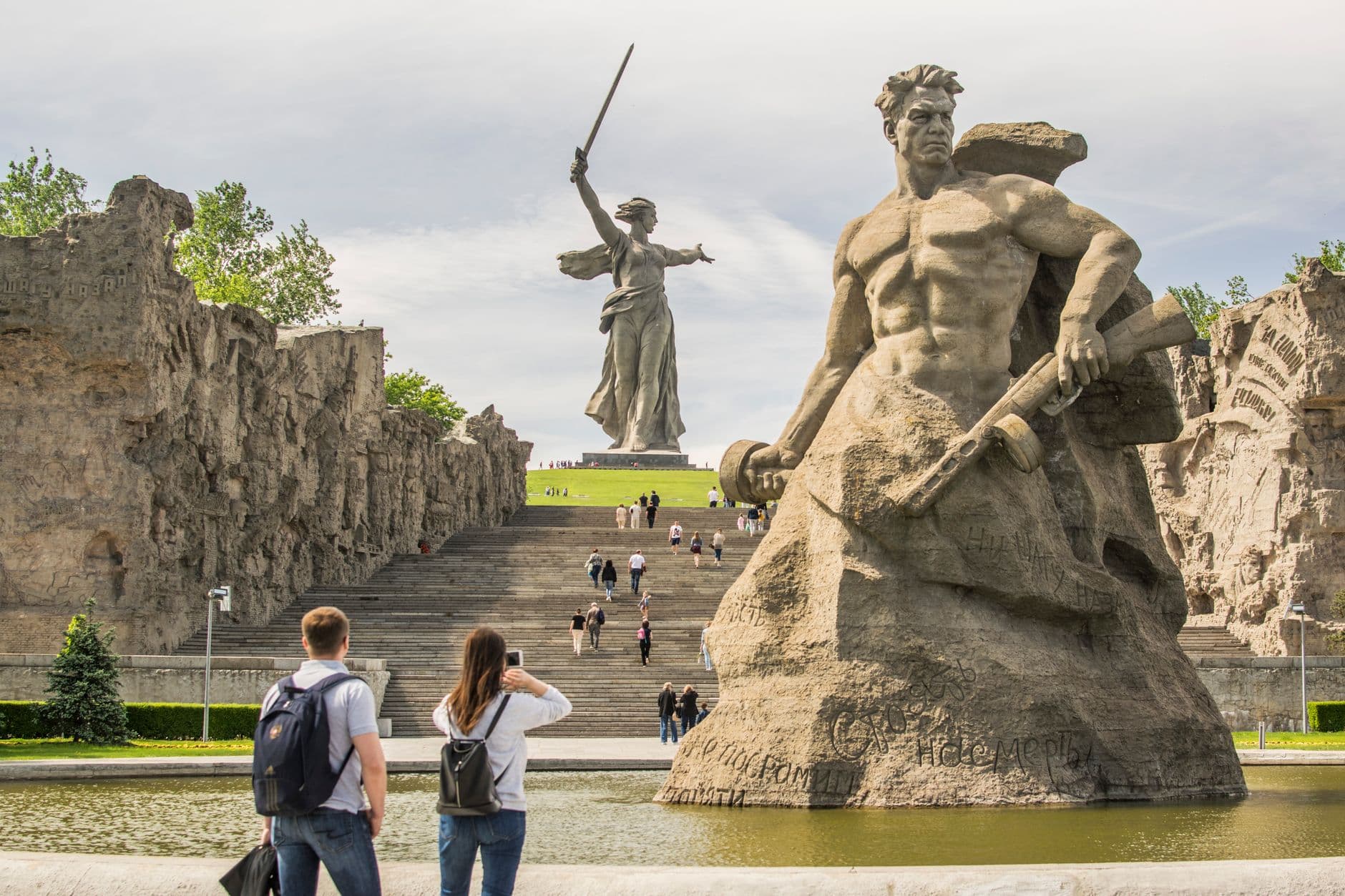

Visit at first light in October to feel the deep calm that settles over the citys spaces; start at the main gate to orient yourself, and walk along routes under the walls away from crowds.
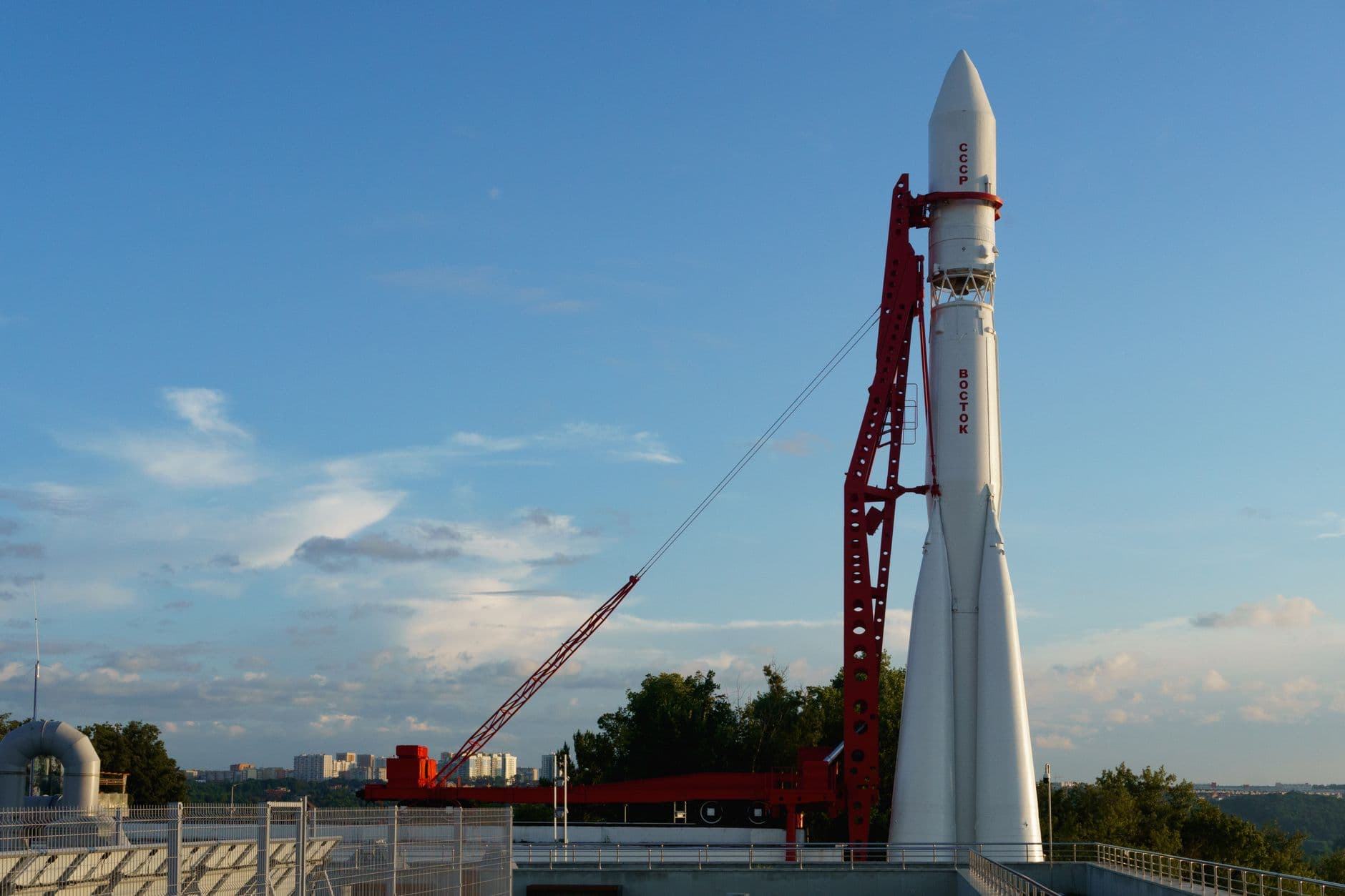
This site offers a compact, thoughtfully laid out sequence of pavilions and planted avenues where visitors can pause, reflect quietly, and take in the surroundings. A ka-26 on display nearby ties aviation history to the broader narrative, while the layout directs attention to military heritage and civic memory.
Walking along the riverfront path, you'll encounter a beach-like slope that invites pause and perspective. The spaces and avenues offer viewpoints, which offer opportunities for photography or quiet observation; generally, the routes run toward elevated platforms that overlook the central axes.
For sustenance, there are food options and light meals at nearby stalls, with beverages to warm up after the stroll. The experience is designed to be comfortable, with safety measures clearly posted and signs guiding you through each zone.
Plan about 90 minutes for a thorough visit; bring water if you linger. October air is crisp, so dress accordingly, and use the walking routes to explore multiple vantage points where the surroundings feel intimate rather than crowded.
Practical insights and planning for Victory Park Park Pobedy
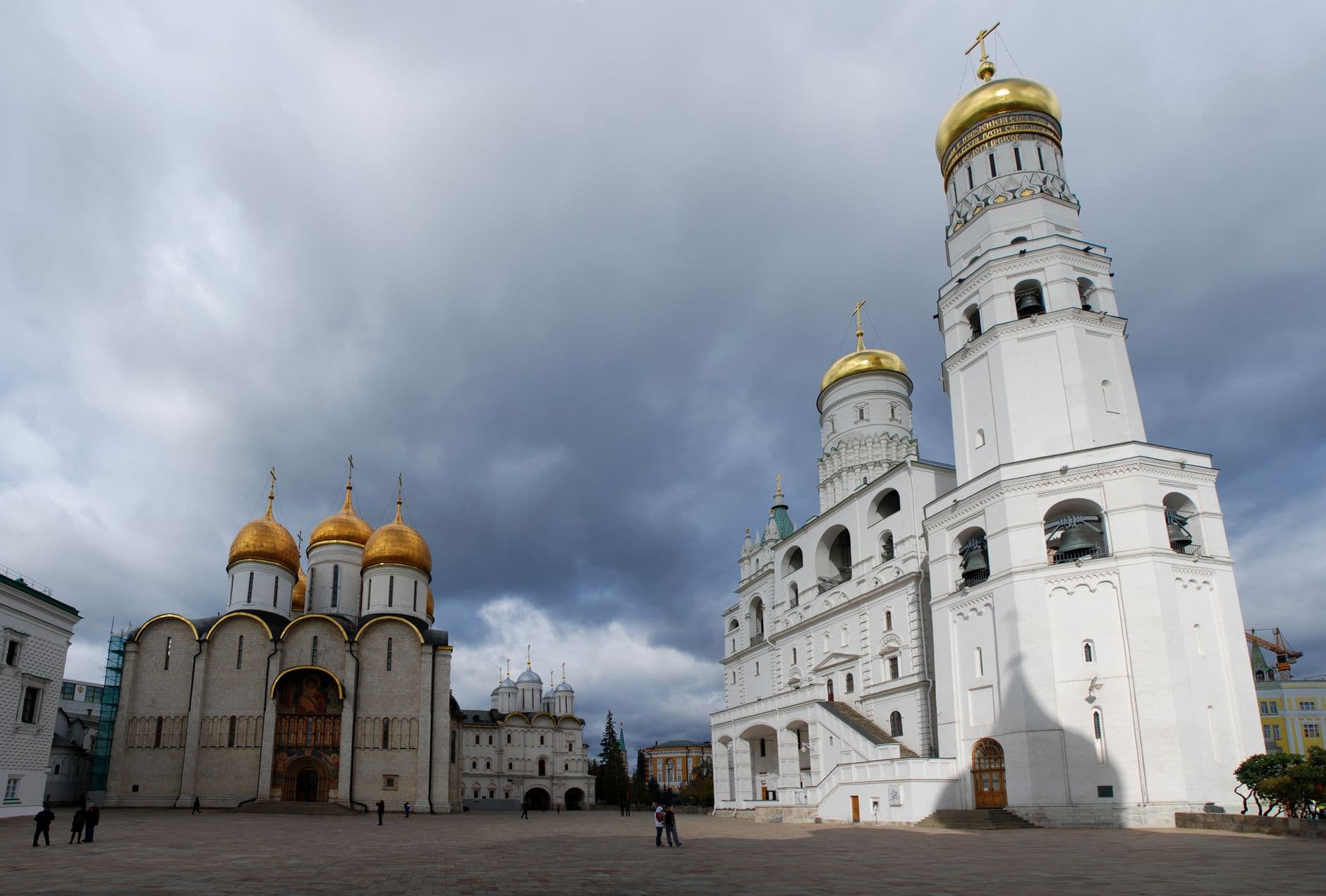
Plan a short, 2.5-hour loop within a compact footprint starting at the central tower and moving to the pavilions, to see the core story with minimal backtracking.
- Getting there: Near the city core; take the metro to the nearest station and walk 10-15 minutes, or use a tram if you want to stay within the hilltop complex boundary; parking is limited.
- Recommended route: Begin at the tower, then follow a tree-lined loop around the pavilions, finishing near the cafes for a quick break to enjoy the surroundings; the route includes a small twist to reveal new angles.
- Mobility and gear: The main paths are paved and shaded; mobility devices and scooters work well; roller-skates can be used on wide avenues with care; bring a charged phone for tiktok clips.
- What you'll see and learn: Each pavilion presents a facet of the overall story, with examples of commemorative plaques and interactive displays; memorials remember those who died in the fight; the displays vary in form and tone.
- Events and timing: Concerts and performances are scheduled in autumn; check the official calendar for dates in october and times; plan around outdoor programs.
- Food and rest: Cafes near the entrances offer coffee and light bites; carry water and snacks so your calves don't tire too soon.
- Practical tips: Wear comfy shoes; sturdy socks to support calves; bring a light jacket for shaded sections; signage hardware provides direction and safety notes.
- Photography and experiences: The loop offers varied scenery; short clips for tiktok capture the tower from several angles; the twist in the route reveals new perspectives with each turn; enjoy the quiet after the crowds.
Seasonal options vary: in october cooler air enhances the autumn bloom along tree-lined avenues; experiences differ day-to-day and by time of day, so consider a repeat visit or a different start time to see how the light shifts.
What are the must-see monuments and what do they symbolize?
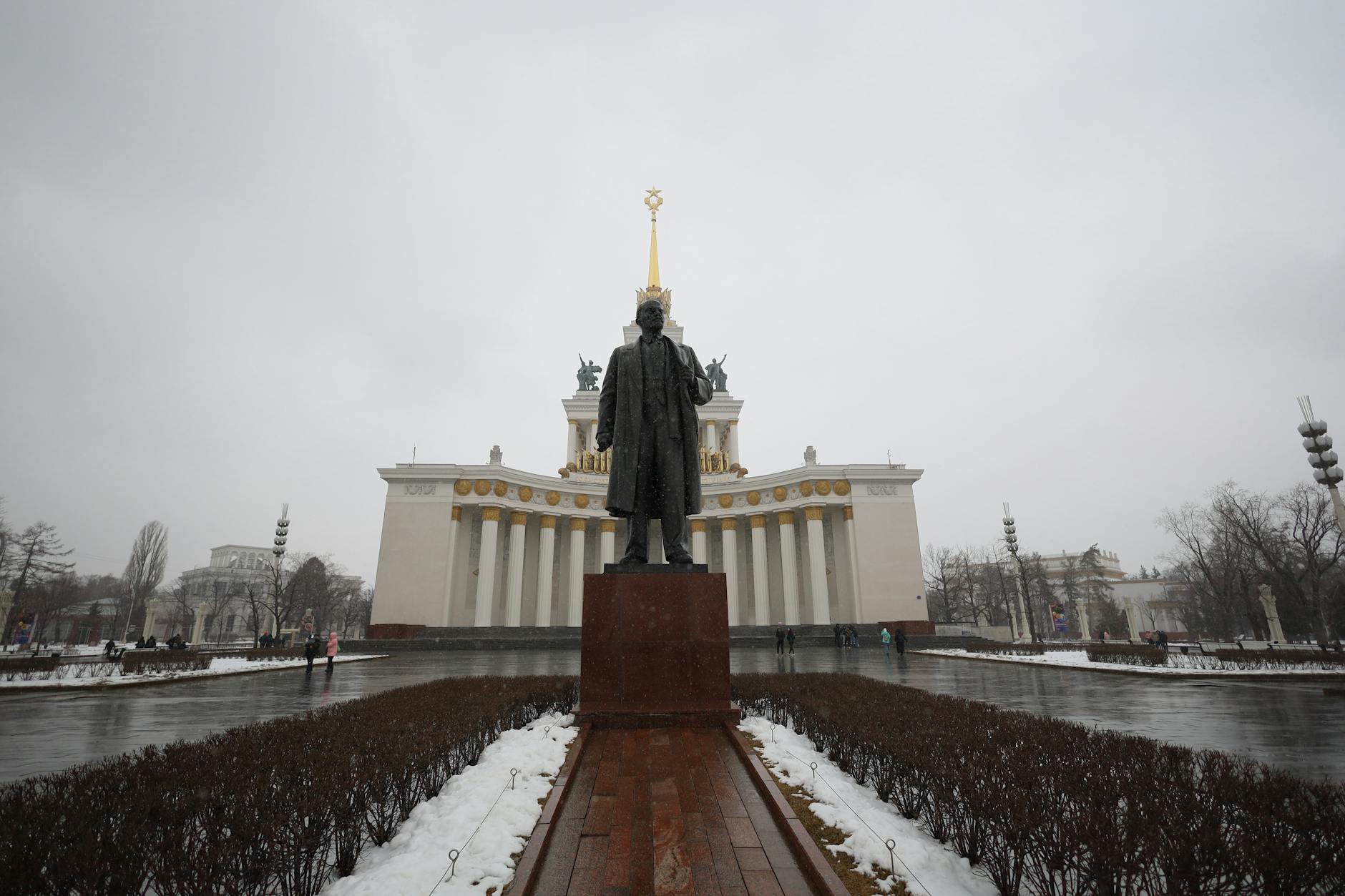
Start at the primorsky path entrance and follow the green axis toward the central area to encounter the must-see icons in a concise, ordered route. whats worth a longer look is the symbolism behind each piece.
The first monument is a tall granite obelisk; it holds memory and marks the victorious resolve of those who fought in the battle, a clear sign of endurance under pressure.
On a plank-like platform nearby, panels explain the roles of republics and the home front, turning broad history into experiences you can read in minutes and seconds.
Near minskaya, an exhibition pavilion provides concise histories; a shop offers books and plaques you can take as keepsakes for those doing research or sharing what they learned with colleagues. This layout helps you navigate as you go around.
In the green spaces around the location, tree-lined avenues create spaces for reflection; the area has a bit of debris from old work and a spit of gravel on one edge, reminding visitors of the long process of restoration. The beauty of the setting invites those who seek calm after the crowds, and weekday visits often loosen the pace so you can linger.
For families and those seeking activity, the route includes gentle rides and interactive corners; some likes the quiet corners, others seek more engagement; those likes show the diversity of experiences you can have here.
| Monument | Symbol |
|---|---|
| Obelisk gateway | represents steadfastness and the victorious outcome of the battle |
| Bronze tableau | depicts a moment of combat to honor the participants |
| Panel wall on the plank | explains the roles of republics and the home front |
| Bronze calf figure | subtly nods to resilience and the human scale of memory |
| Flame-like feature | enduring remembrance |
How to pace the visit using 1-minute fast and 2-minute moderate intervals?
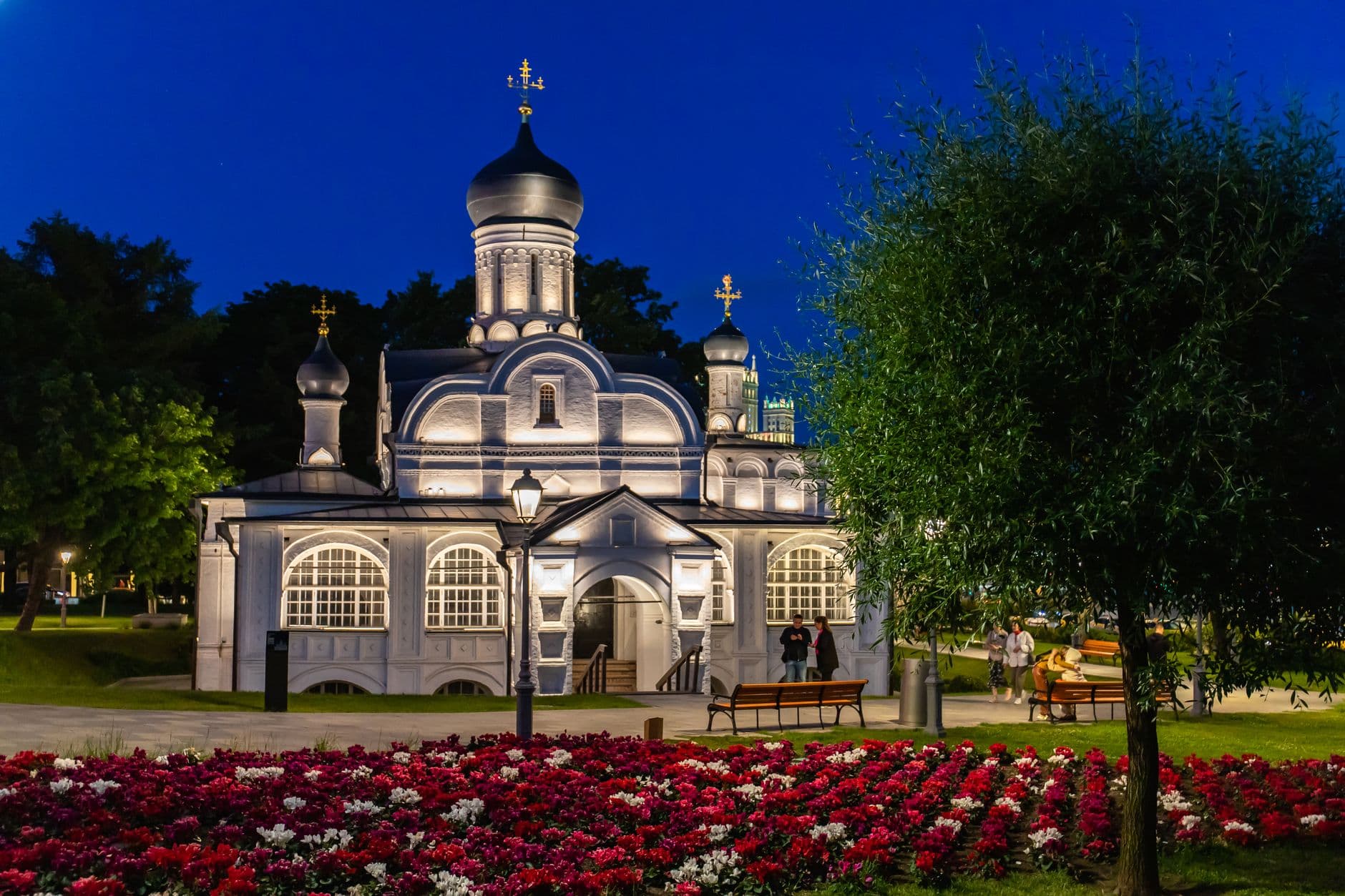
Starting at the central plaza, adopt a rhythm: 1-minute fast strides, then 2-minute moderate stretches. This pace maintains energy while you notice the four main sculptor works and catch views along the krestovsky gore riverside route. Follow the broad avenues above the reflecting pools toward the memorial-chapel for a focused memory moment.
During the 2-minute segments, slow to absorb names displayed on panels and stone blocks, reflect on past events, and feel the shade from mature trees. This cadence might help you keep doing action without fatigue and balance memory with observation.
Tickets and timings: check for timed tours and upcoming events; the shop located near the main gate offers small keepsakes, maps, and tips for doing efficient study. Keep pace well and avoid detours that would reduce coverage of the features.
Nature and design details: pause at the flag area and nearby beds; shade creates comfortable spots to rest briefly while you study the nature and kind of display. The action of movement helps you notice fewer things at once and plan a particular route.
Memory route: youre encouraged to note impressions in a compact journal or with a companion; the social value of shared remembrance enhances the experience. Move with a steady pace from one display to the next, keep the cadence, and finish near the memorial-chapel to close with a lasting memory.