
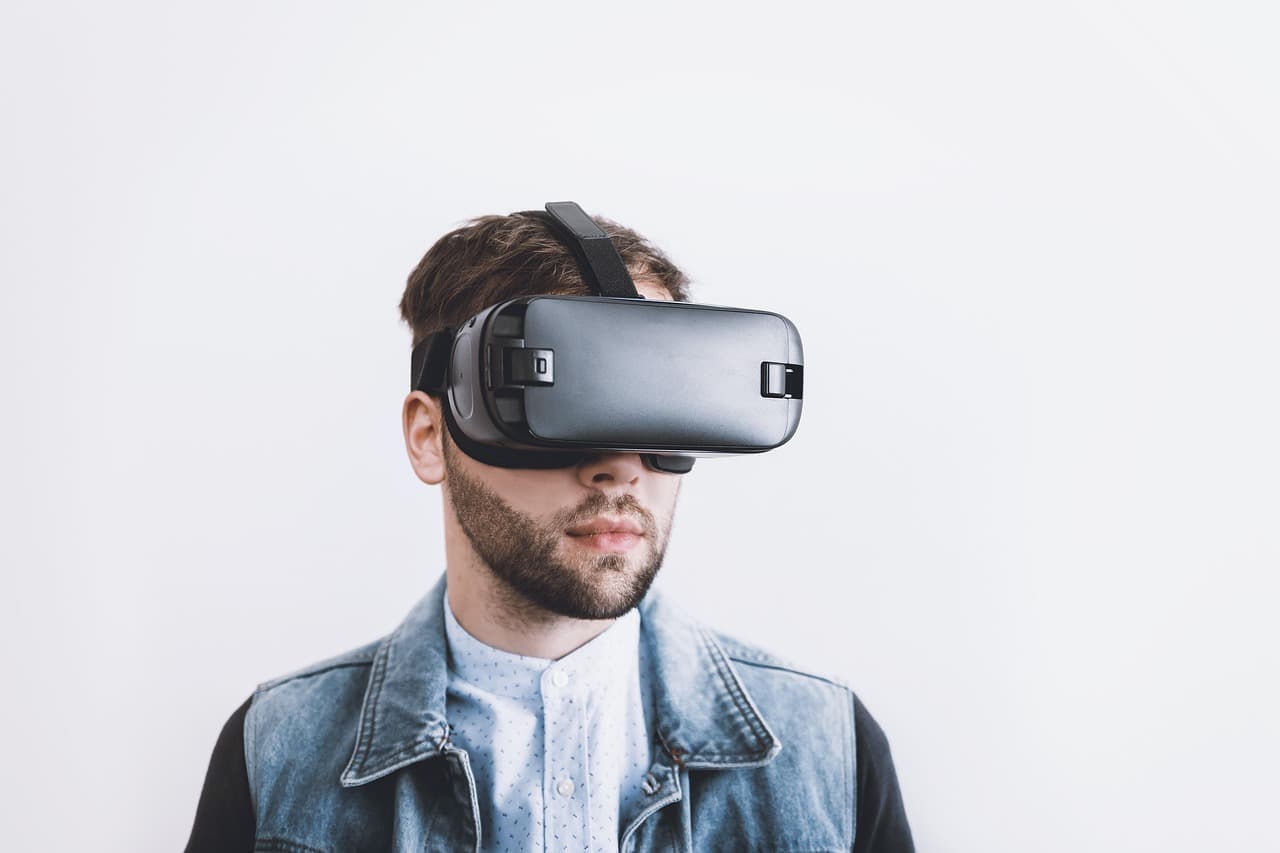

Moscow's cultural scene has long been defined by its world-class art and historical collections. However, a new wave of technology is transforming how visitors interact with these treasures, blurring the lines between the physical and the digital. The emergence of virtual reality (VR) and augmented reality (AR) in the city's museums is creating a new and exciting dimension for both learning and entertainment. This guide explores how Moscow is embracing this technological shift, offering visitors a chance to experience history and art in a deeply immersive way. This evolution from static exhibits to interactive spaces is making culture more accessible. This is a crucial step for the future of tourism. The movement towards virtual reality museums in Moscow demonstrates a commitment to innovation.
Planning your Moscow museum visit?
Skip the queues — book museum tickets and guided tours in Moscow.
Book a tour →The Rise of VR and AR in Moscow's Cultural Institutions
For decades, museum visits have followed a traditional format: looking at artifacts behind glass or paintings on a wall. But technology offers a way to go beyond simple observation. VR allows visitors to step into a different time or place. They can walk through a recreated historical street. They can also examine a famous painting in 3D. AR overlays digital information onto the real world, providing interactive context for physical exhibits. These technologies are especially valuable for bringing historical events to life. They can also show what an artifact would have looked like when it was new.
Moscow's museums are incorporating these technologies in various ways. Some institutions are creating fully immersive VR experiences. Others are developing AR-enhanced tours. This trend is appealing to a younger, more tech-savvy audience. It also offers a fresh perspective for repeat visitors. Consequently, the cultural landscape is becoming more dynamic. This helps to make museum visits a more personal and engaging experience. This push towards virtual reality museums in Moscow is a response to global trends in entertainment and education. It is positioning the city as a leader in cultural technology.
The Pioneers of Immersive Exhibitions
Several Moscow museums are at the forefront of this digital revolution. The Polytechnic Museum, a hub for science and technology, has long been known for its interactive approach. It uses VR to allow visitors to experience things that would otherwise be impossible. For instance, they might be able to step inside a spacecraft or explore the inner workings of a historic invention in a virtual lab. This museum's focus on hands-on learning makes it a perfect venue for VR technology.
Another notable example is the Multimedia Art Museum, Moscow (MAMM). It specializes in photography and contemporary art. MAMM often hosts multimedia exhibitions. These exhibitions use digital projections and immersive soundscapes to create a powerful atmosphere. While not strictly VR, these installations show a move towards multi-sensory experiences. They challenge the traditional idea of what a museum can be. These are key examples of digital art museums in Moscow. They are changing how people view and engage with art.
Furthermore, some institutions, like the Moscow Kremlin Museums, are using technology to create online virtual tours of their collections. While these are not in-person VR experiences, they allow people from all over the world to explore the museum's treasures. They can do this from the comfort of their homes. This kind of accessibility is a major benefit of digital initiatives. This allows the museum to reach a much wider audience. These virtual reality museums in Moscow are a testament to the city's commitment to cultural outreach.


