
Plan your afternoon at the imperial Fountain Square and start walking the central axis to unlock the top 10 moments. There, each pavilion is designed to spark curiosity, and the boulevard links an estate of exhibits with modern demos. If you missed a detail, you can catch it on the next terrace; the layout makes it easy to adjust on the fly.
There, follow the main boulevard, glide past fountains with gold tones reflected in the water, and visit the imperial pavilions that represent different sectors. The robostation booth offers quick demos and QR-guided tours-perfect for a fast rundown. It takes about 3-4 hours to cover the core sites, so come prepared with comfy shoes and a map.
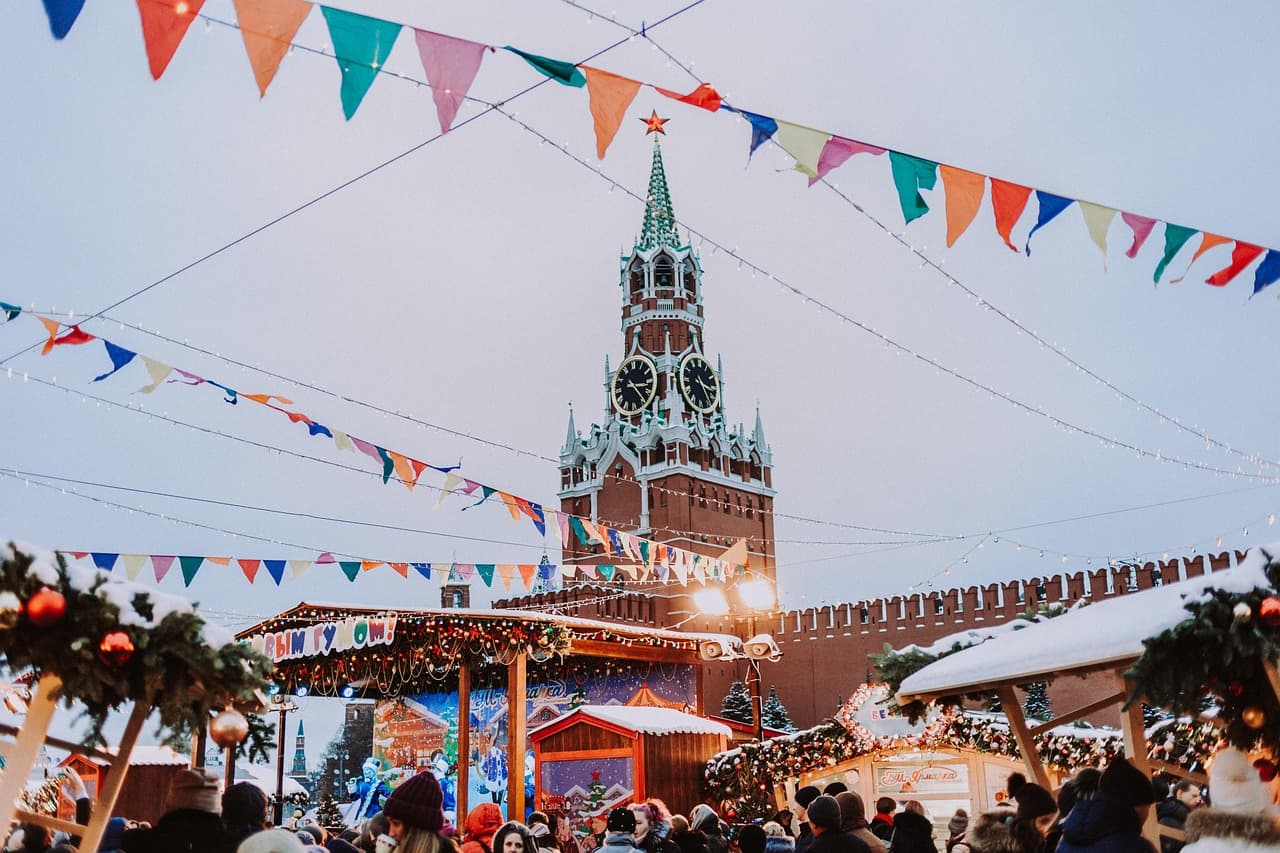
In the central square, the vibe feels like a small town, with stalls, seating, and photo spots. Bring a brother or friend to share notes and compare routes; anticipation grows as you think about new angles for your shots. Pack a light snack; you'll stay ready for spontaneous stops when a gallery window catches your eye.
Think ahead about a single plan that covers the must-see pavilions: the Space Pavilion, the Agriculture Pavilion, and the Soviet-era pavilions. There, you can capture gold-toned sunsets and there are often exhibitions that align with current events. Use a map from the entrance and keep the route flexible so you can take advantage of daily programs and performances, against the crowd on busy days.
VDNKh: The Legendary Soviet Park - Moscow's Industrial Square
Visit VDNKh with a practical tip: arrive by shuttle from a metro station to beat lines and reach the central avenues while the light is soft. Explore the main avenues first, where displays of machinery, tractors, and pavilions greet you; the area looks unique in every corner, and the gold accents on facades catch your eye even in gray skies. When you walk, keep the rhythm steady to capture snow on rails and glass towers as you go.
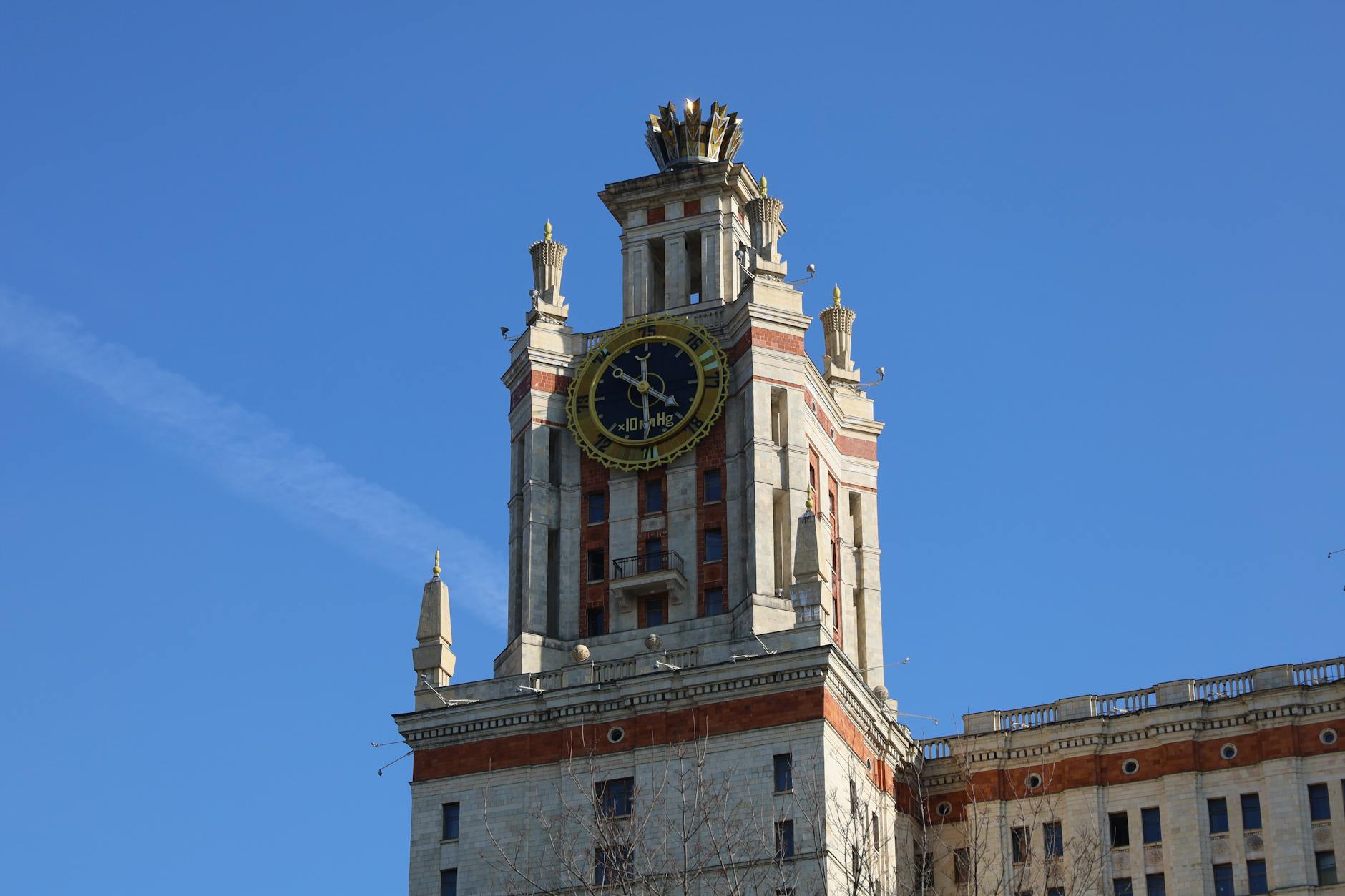
Each pavilion reveals a piece of heritage and industry that shaped a generation. The sites are visited by travelers who come to study how ideas moved from studios to workshops and factories. The pavilions present everything from design sketches to large mechanics, offering a source of inspiration for planners, designers, and curious explorers.
Plan a shopping break at the store corners and kiosks; you can pay in roubles and collect small souvenirs. Ticketing and dispensing machines streamline entry, so you won't waste time. This practical flow keeps your day moving, and you can compare prices as you stroll between displays.
For photographers and families, the experience stays optimistic: invited guides share memories, and ourselves linger at studios where engineers once worked; you'll hear how ideas moved from design rooms to public displays. Probably you'll leave with a fresh idea of what this place meant, and you'll come back for more.
As a practical takeaway, treat VDNKh as a live source of learning: the site has grown from its previous roles into a hub where travel, heritage, and commerce converge. If you want to understand how this square shaped Moscow's identity, explore both sides of the avenues and pockets of design and craft that still attract visitors today.
Top 10 Things to Do at VDNKh
Plan your day with a crisp route: begin at the Cosmonautics pavilion, pick up a map at the information desk, and set your own pace for enjoying the park.
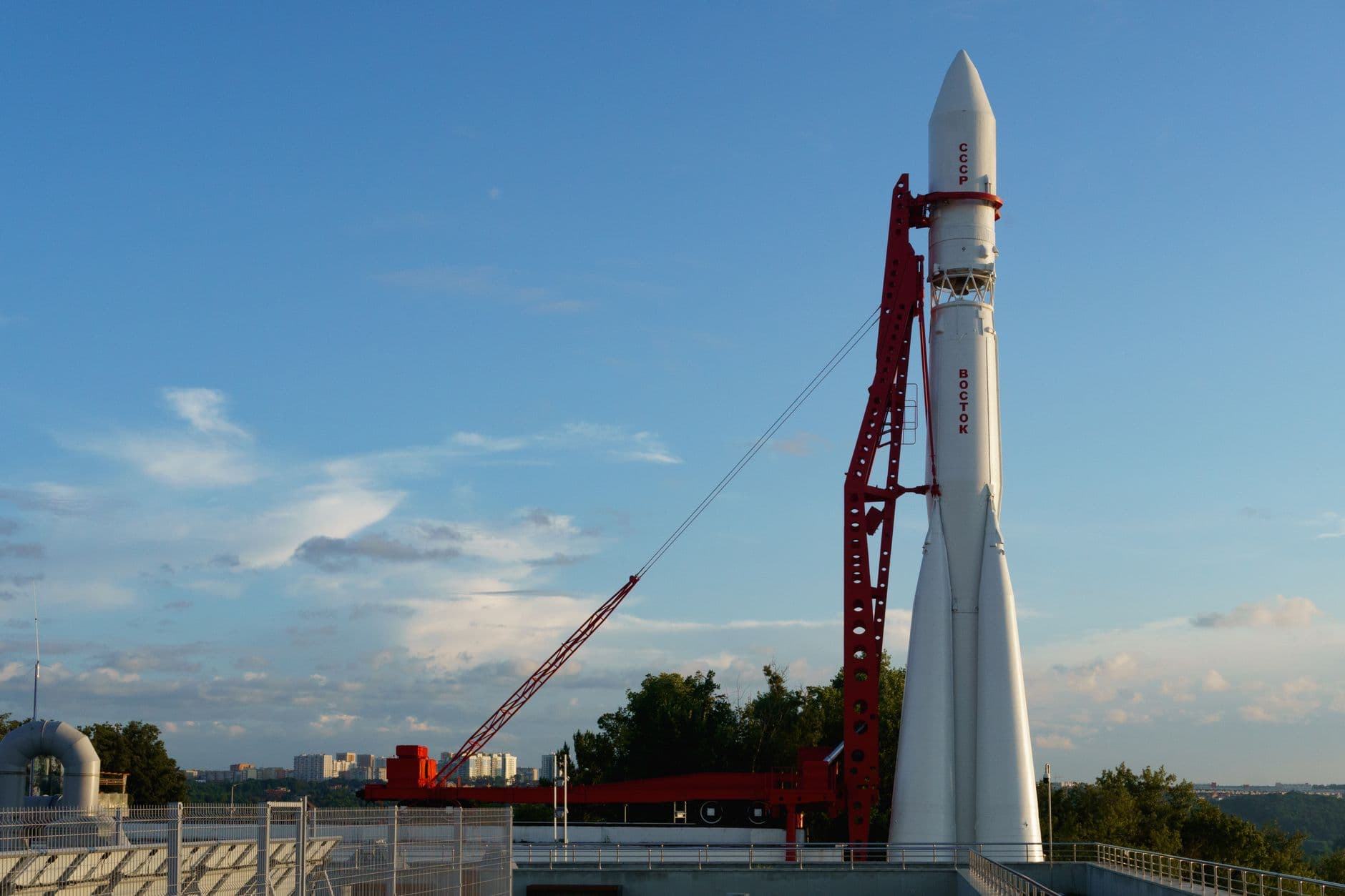
- Explore Cosmonautics and Museums: delve into space history at the Museum of Cosmonautics, view ancient rocket models, and wander through interactive panels. The wheel-shaped displays attract families, and captions in russian help everyone follow along as you explore together.
- Walk the Trails Between Pavilions: follow accessible trails that weave past monumental domes and fountains, with rest stops every block. Make a choice of routes that fits your pace and keep moving over the park's open spaces.
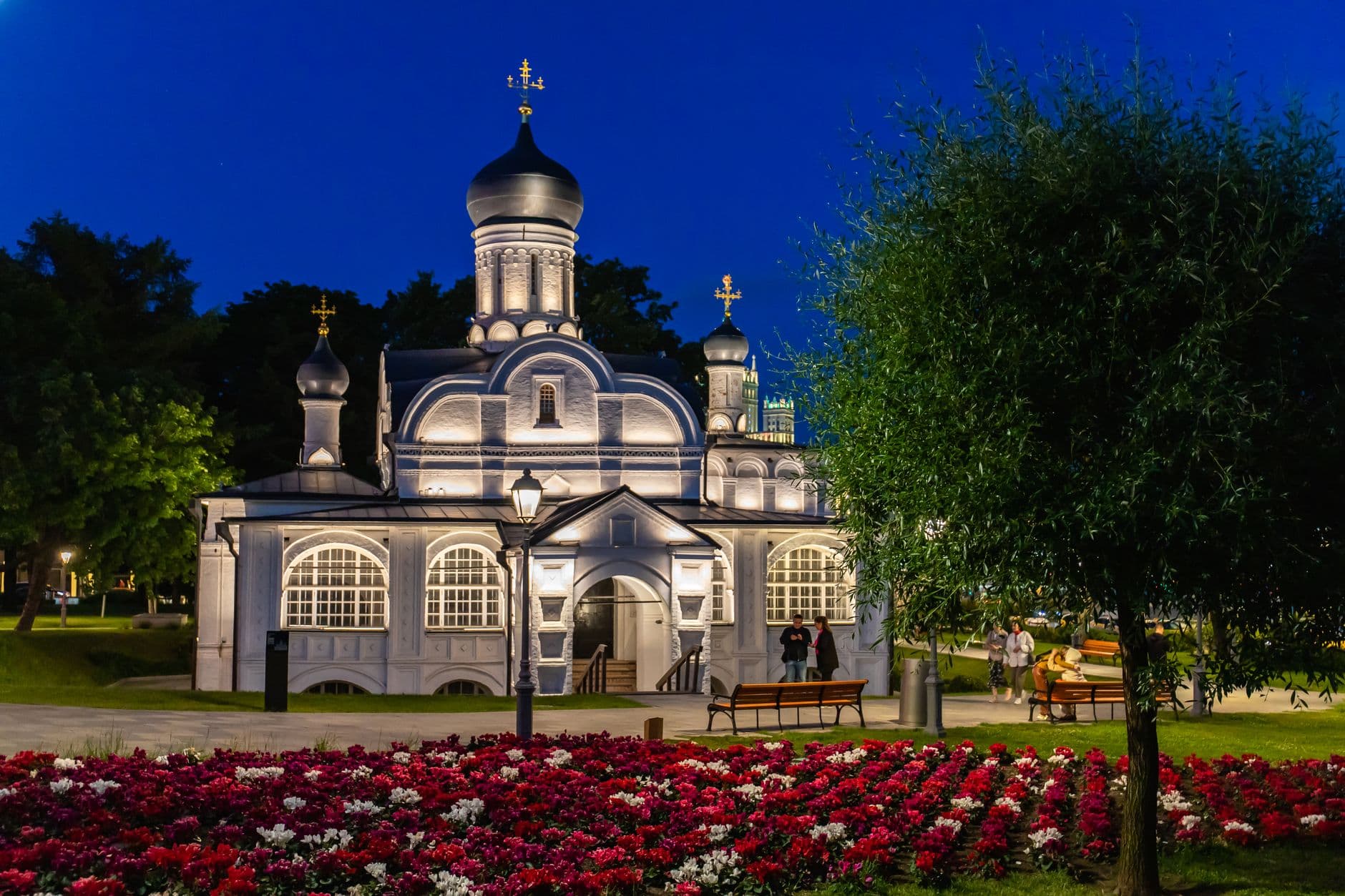
- Experience Russian State Architecture: admire grand façades and the deliberate symmetry that reflect a state-sponsored design ethos. Climb to a lookout and enjoy views over the fountains and avenues.
- Shop and Taste: visit the shop for authentic souvenirs, books, and space-themed gadgets, paying in roubles. Grab a bite at a russian cafe to keep your energy up for more discoveries.
- Join Family-friendly Classes: sign up for space-themed classes that teach simple experiments, perfect for kids and adults alike. These sessions help everyone feel involved and enjoying the experience.
- Document Points of Interest: track the main points around the exhibition zones with a handy map, and capture memorable photos at each stop. This approach keeps your plan organized and focused on what you want to see.
- Compare Ancient and Modern Visions: notice ancient motifs integrated with futuristic pavilions, and reflect on how ideas evolve. The contrast makes for thoughtful conversations and great pictures.
- Check Year-round Events and Schedules: look up temporary exhibitions, concerts, and children's activities on the calendar. A steady stream of events adds variety to your visit and gives you reason to return.
- Make Time for Rest and Reflection: pace yourselves with short breaks at benches or shaded courtyards, and let the whole family recharge. This approach brings favour to families who value a relaxed pace.
- Finish with a Clear Plan for Ourselves: before you go, review what you enjoyed and decide on a next-year plan, plus a new route to try on the next visit. This keeps the experience fresh and collaborative for the whole family.
Best Time to Visit and Entrance Tips
Plan your visit for late May or early September when the weather is comfortable and crowds are lighter. Plan to spend at least an hour exploring the main pavilions. Check the current hours on the official site before you go, as opening times shift by season and sometimes by weekday. Enter through the main gates at opening and follow a simple route toward your destination within the park.
Entrance tips: Buy tickets online to skip lines; choose a pass that fits your route. The building started in the 1930s and still serves as a clear sample of russias architecture. Access is straightforward via metro, tram, or bus; use the transport options shown on the map to reach your destination within the park.
At the central food courts you can try pelmeni, often with sauces that feature fresh basils. A nearby cinema corner screens short Soviet-era films on select days, and occasional debates about restoration keep the space lively for visitors.
Timing and routes: The park is served by several metro lines and trams; plan a route using the transport map so you reach each area without backtracking. The main entrance sits near a pedestrian plaza, making access easy for families and solo travelers alike. If you have a tight schedule, set a half day plan that prioritizes your must-see highlights.
Seasonal tips: During summer weekends, mornings are best to avoid heat and queueing; in autumn, light winds make outdoor strolls pleasant. The current fountain shows are a highlight, with water choreography timed to the hour. Bring a bottle of water and a light snack for things you want to share with companions.
Geography unfolds in zones, each with its own mood and a different set of exhibits, so pick a destination that matches your interests-architecture, cinema, or science. Optimistic signage guides first-timers, and youd plan a route that covers sorts of highlights. If you decided on a focus, you can tailor your steps to fit a half day or a full day, using the transport map for easy access. Share your route with a friend so someone knows your whereabouts.