Moscow's architecture is a captivating blend of medieval grandeur, Soviet ambition, and modern innovation, making it a paradise for anyone fascinated by design and history.This guide takes you through the city's architectural highlights, showcasing how the pass simplifies your journey with fast-track entry, transport perks, and cost savings.Dive into Moscow's structural wonders and uncover the stories etched in its buildings.
The Allure of Moscow's Architectural Diversity
Moscow's skyline tells a story of centuries, from the golden domes of Orthodox churches to the towering Stalinist skyscrapers.For instance, the Kremlin's ancient walls contrast with the futuristic curves of Zaryadye Park, creating a visual timeline of Russia's evolution.
Moreover, the pass's digital guide offers insights into each location's design and history, enriching your experience. Since Moscow's architecture spans styles and eras, the pass ensures you can explore it all efficiently, whether you're a history buff or a design enthusiast.
The Kremlin: A Fortress of Timeless Design
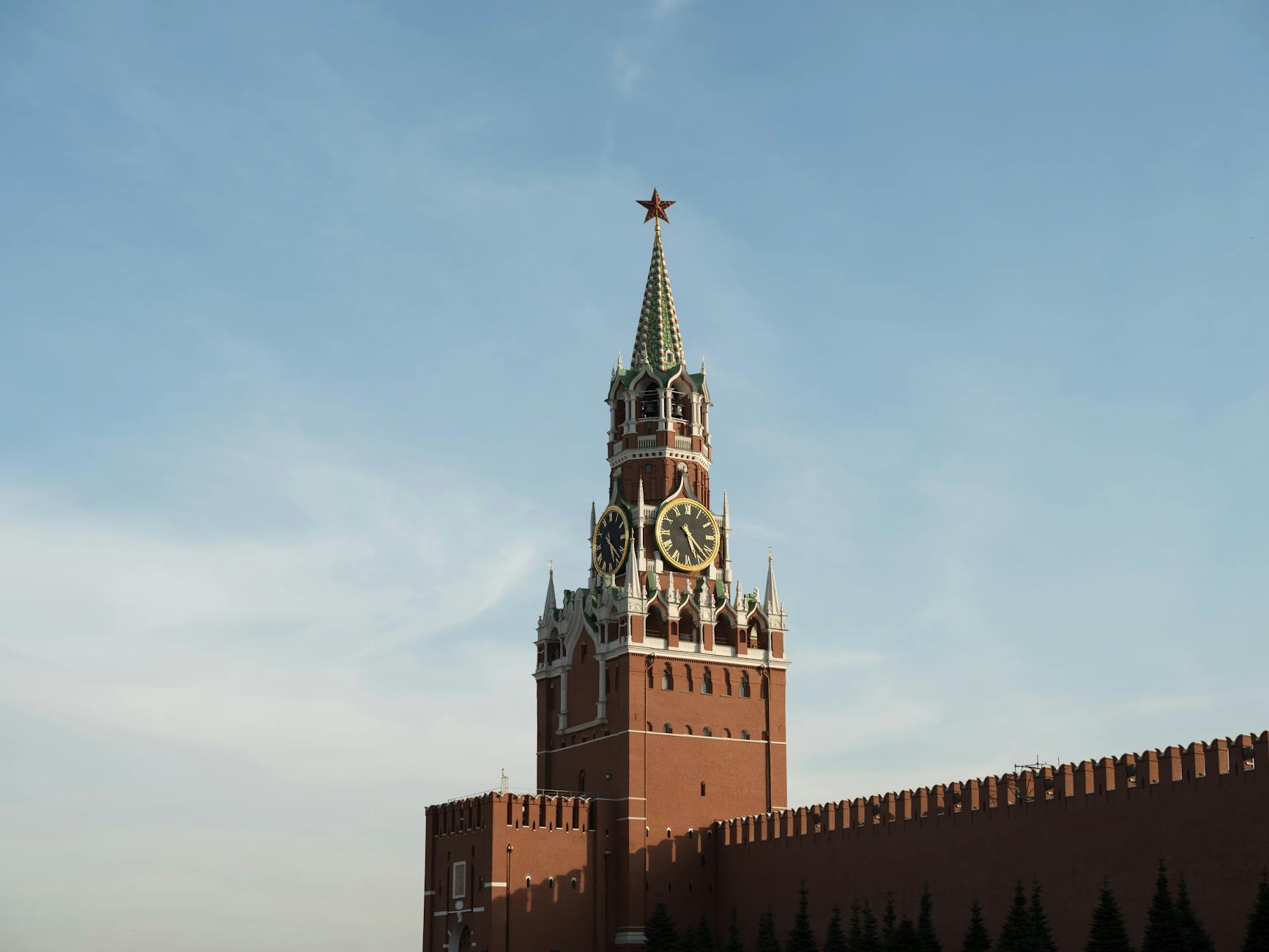
The Kremlin, a UNESCO World Heritage Site, is the heart of Moscow's architecture. Its red-brick walls, built in the 15th century, enclose a complex of palaces, cathedrals, and towers that showcase Muscovite design. For example, the Assumption Cathedral's golden domes and frescoes reflect Byzantine influences, while the Ivan the Great Bell Tower blends medieval and Renaissance elements.
The pass also includes the Armory Chamber, where architectural artifacts like royal carriages highlight Russia's imperial craftsmanship.Because the Kremlin is vast, allocate a full morning to appreciate its structural details.
Tips for Visiting the Kremlin
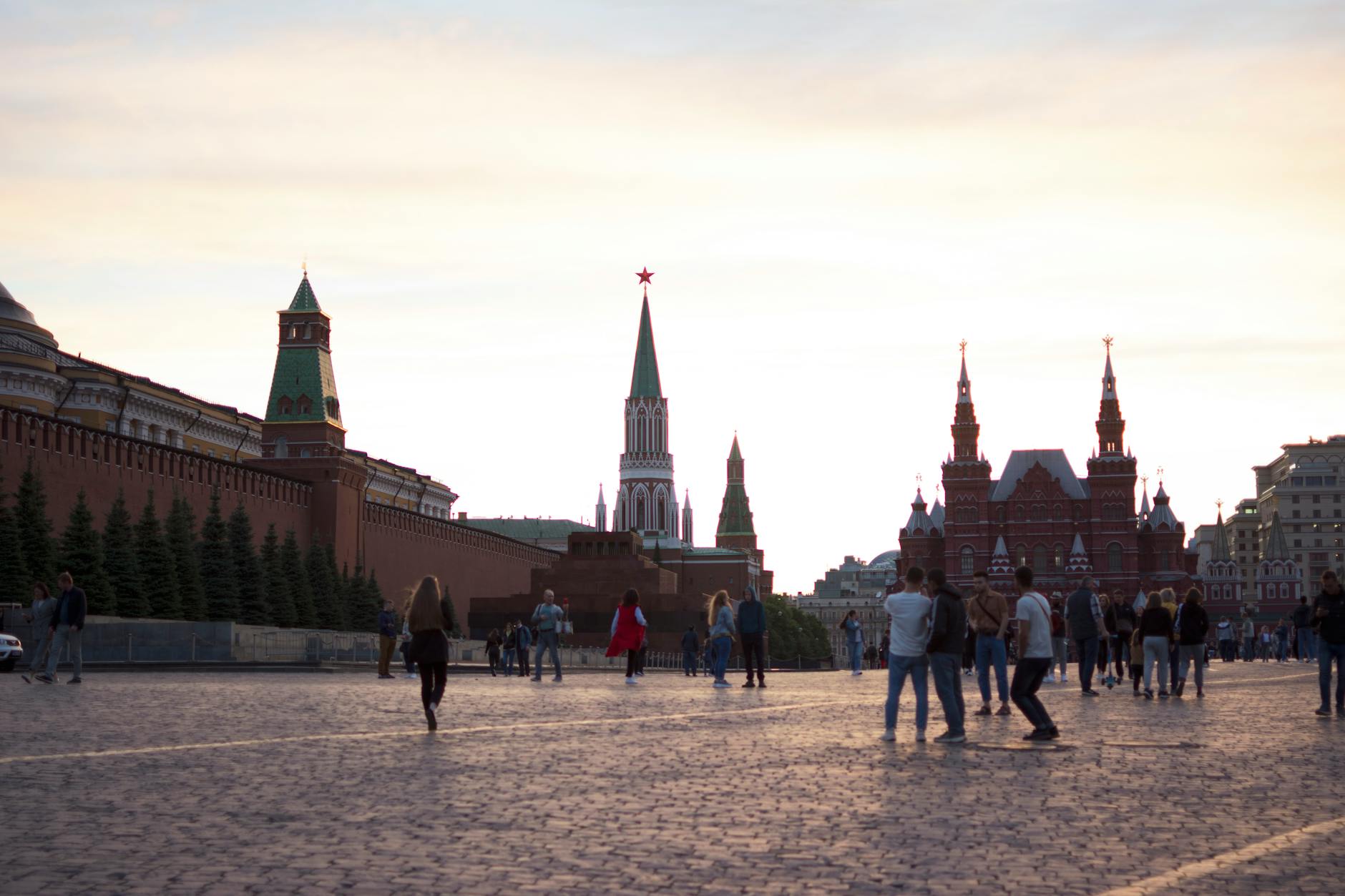
Arrive early to capture the Kremlin's towers in soft morning light. Use the pass's guide to identify key structures, like the Tsar Bell, a massive bronze masterpiece. Also, wear comfortable shoes, as the cobblestone paths require walking. Since the Kremlin occasionally closes for events, check its schedule in advance.
Saint Basil's Cathedral: A Colorful Masterpiece
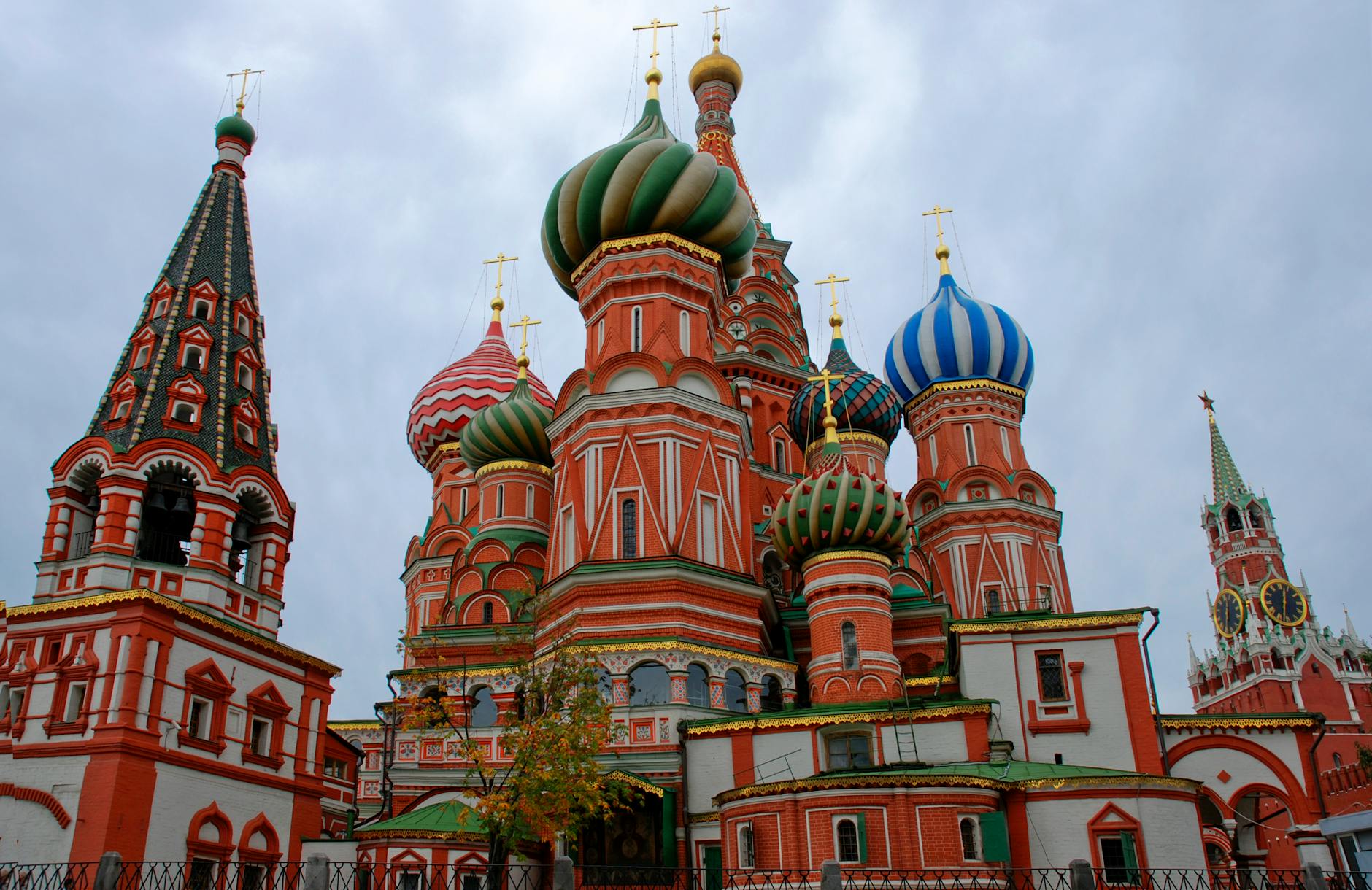
Saint Basil's Cathedral, with its vibrant onion domes, is a pinnacle of Moscow's architecture. Built in the 16th century under Ivan the Terrible, its asymmetrical design and vivid colors defy traditional Orthodox architecture, resembling a fairy-tale creation. Inside, the narrow chapels and frescoed walls reveal intricate craftsmanship.
Because the cathedral is a functioning church, the pass's guide reminds you to dress respectfully, ensuring a smooth visit.For architecture lovers, the interplay of domes and arches is a must-see.
Photographing Saint Basil's
Visit at sunset for warm lighting that enhances the domes' colors. Use a wide-angle lens to capture the cathedral's full silhouette from Red Square. Inside, focus on the frescoes, though note that photography may be restricted. Since the pass offers discounts at nearby cafes, relax after your visit with a coffee.
The Bolshoi Theatre: Neoclassical Elegance
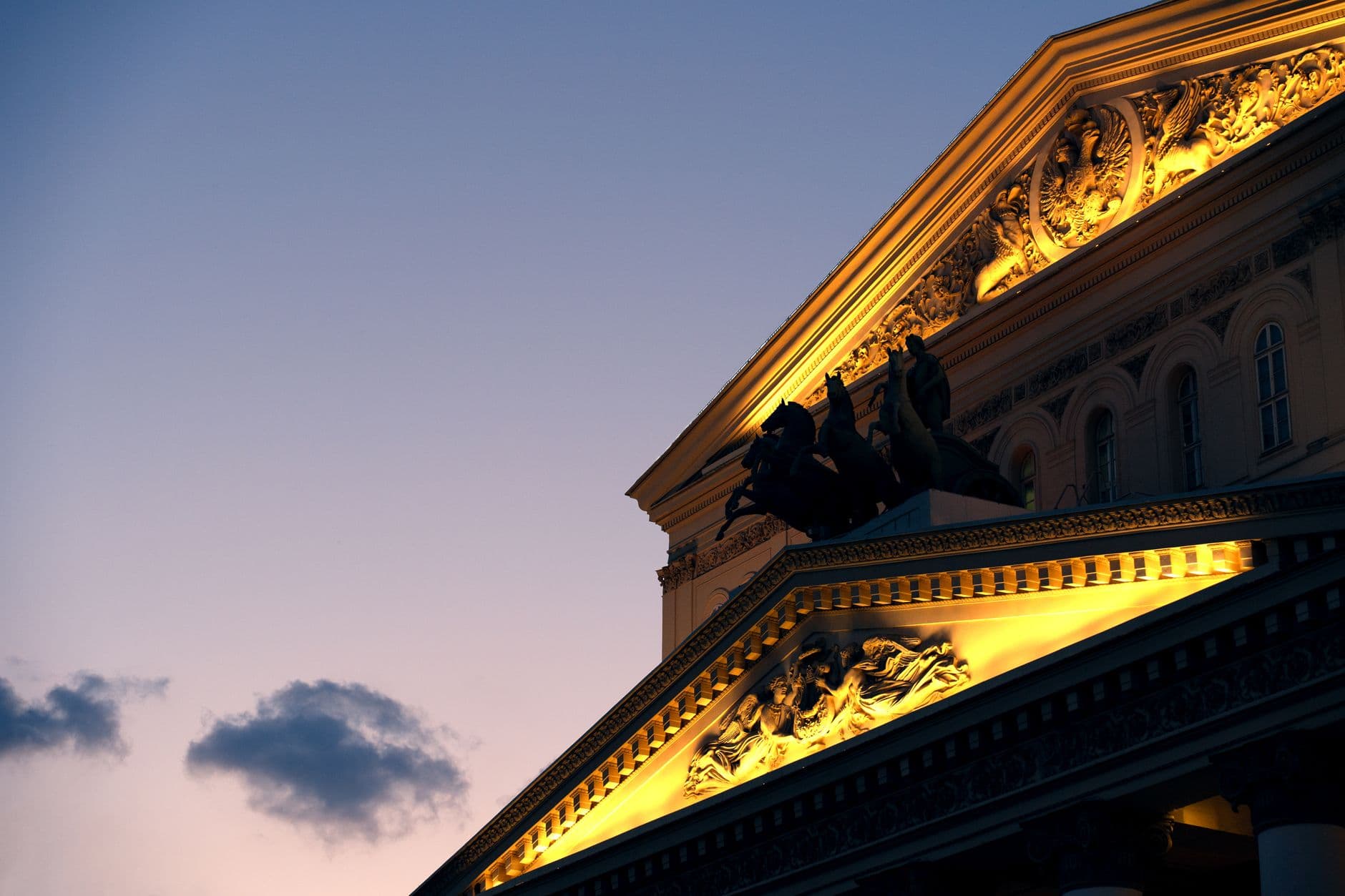
The Bolshoi Theatre is a jewel of Moscow's architecture, blending neoclassical symmetry with opulent interiors. Its 19th-century façade, with grand columns and a bronze quadriga, exudes sophistication, while the auditorium's gilded balconies and chandeliers showcase imperial luxury. For architecture enthusiasts, the Bolshoi's restored details, completed in 2011, are a highlight.
Since tours are in high demand, book early through the pass's platform to secure a spot.
Bolshoi Exploration Tips
Join a morning tour for quieter access to the auditorium. Focus on details like the ceiling frescoes and crystal chandeliers, which reflect Russian craftsmanship. Outside, shoot the façade from across the fountain for a balanced composition. Because the Bolshoi is central, pair it with pass-covered sites like the Tretyakov Gallery.
Moscow Metro: Underground Architectural Art
The Moscow Metro is a hidden treasure of Moscow's architecture, with stations like Komsomolskaya and Mayakovskaya doubling as subterranean galleries. Komsomolskaya's baroque-inspired chandeliers and mosaics evoke a palace, while Mayakovskaya's stainless-steel arches and Art Deco tiles embody Soviet futurism. These stations are not just transit hubs but cultural landmarks.
Since metro rides are affordable, you can visit multiple stations to compare their designs.
Capturing the Metro's Beauty
Avoid rush hours (8-10 AM, 5-7 PM) for clear shots of station interiors. Use a tripod for low-light photography, but ask permission first. Focus on symmetry in stations like Mayakovskaya, or capture Komsomolskaya's mosaics for historical depth. Because the pass's guide lists top stations, plan a route to hit several in one trip.
Seven Sisters: Stalinist Skyscrapers
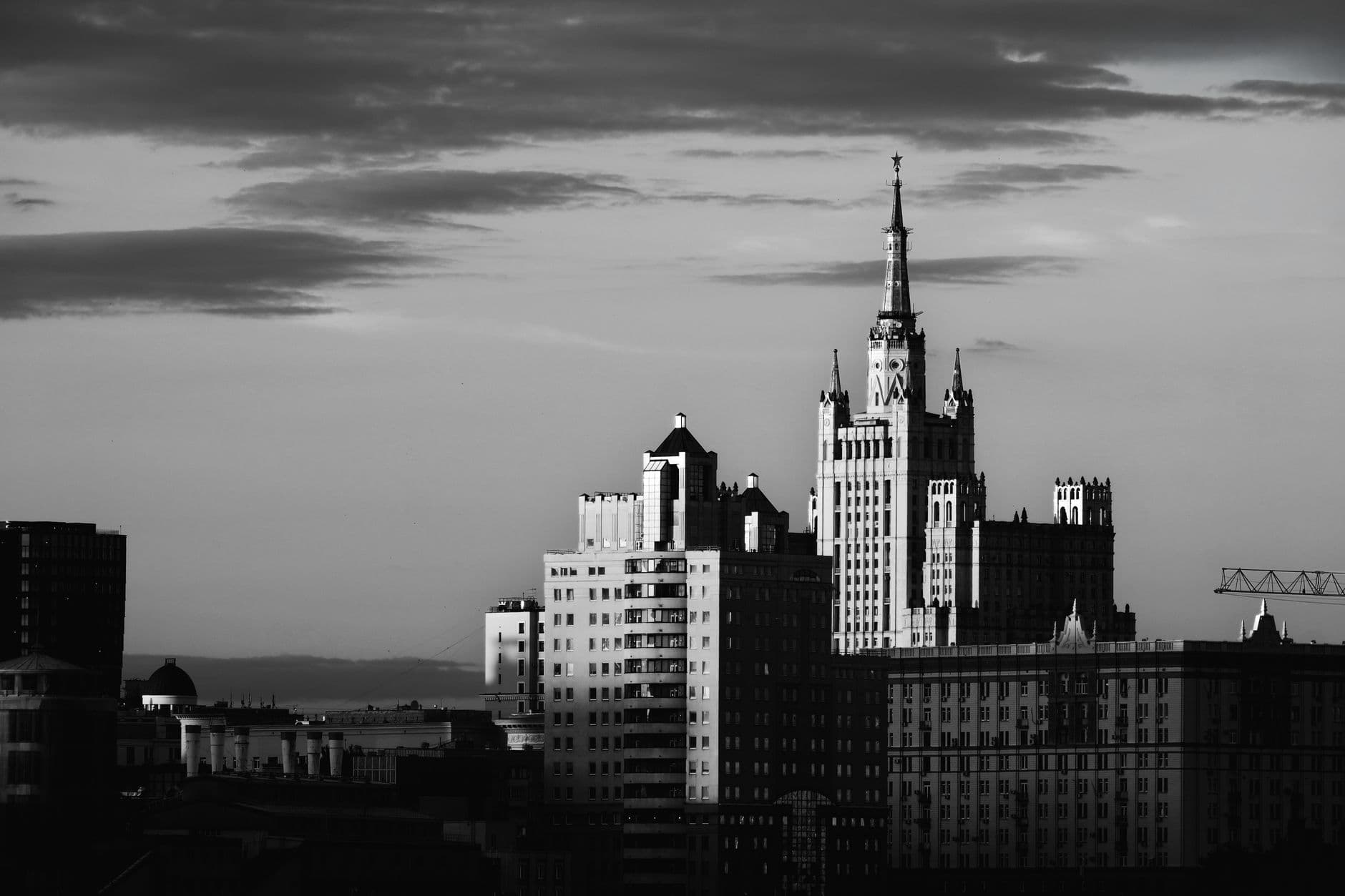
The "Seven Sisters," a group of seven Stalinist skyscrapers built in the 1940s and 1950s, are bold examples of Moscow's architecture. These towering structures, including Moscow State University and the Ministry of Foreign Affairs, blend Gothic and Russian Baroque elements with Soviet scale. Their ornate spires and tiered designs dominate the skyline, symbolizing post-war ambition.
The pass's hop-on-hop-off bus also stops near several Sisters, simplifying your architectural tour.
Viewing the Seven Sisters
Visit Sparrow Hills at dusk to see Moscow State University lit against the skyline. Use a zoom lens to capture details like spires and statues. For other Sisters, like the Kotelnicheskaya Embankment Building, walk along the Moskva River for waterfront perspectives. Since these buildings are public, combine them with pass-covered sites like Zaryadye Park.
Zaryadye Park: Modern Architectural Innovation
Zaryadye Park, opened in 2017, represents the future of Moscow's architecture. Designed by Diller Scofidio + Renfro, its "floating bridge" and glass-domed pavilions merge nature and technology, offering panoramic views of the Kremlin. The park's sustainable design, with climate-controlled zones mimicking Russia's ecosystems, is a draw for architecture buffs.
Because the park is centrally located, it's an easy stop between Red Square and other landmarks.
Exploring Zaryadye's Design
Visit the floating bridge at golden hour for dramatic photos of the Kremlin. Explore the pavilions' glass structures for futuristic shots, ideal for modern architecture fans. Use the pass's guide to understand the park's ecological features, like its tundra zone. Since Zaryadye is free to enter, revisit for different lighting conditions.
Kolomenskoye: Wooden Architecture and Tsarist Estates
Kolomenskoye Museum-Reserve, a former tsarist estate, showcases Moscow's architecture through its wooden palaces and stone churches. The Ascension Church, a UNESCO-listed 16th-century structure, is a masterpiece of early Russian tent-roof design, while the reconstructed Wooden Palace of Tsar Alexei Mikhailovich highlights traditional craftsmanship.
Because the reserve is expansive, it offers a quieter setting to appreciate historic architecture away from central crowds.
Kolomenskoye Visit Tips
Visit in spring or autumn for lush landscapes that complement the architecture. Focus on the Ascension Church's soaring silhouette for photos, using a wide-angle lens. Explore the Wooden Palace's interiors for intricate woodwork details. Since Kolomenskoye is farther from the center, use the pass's metro access to reach it efficiently.
Conclusion: Uncover Moscow's Architectural Story
Moscow's architecture, from the Kremlin's ancient walls to Zaryadye's cutting-edge design, weaves a narrative of Russia's past and future.Whether you're marveling at Saint Basil's domes or tracing Soviet ambition in the Seven Sisters, the pass ensures a seamless exploration.