Begin at the entrance and map a route that covers core zones in about 90 minutes. The path leads through the main gallery, a front-line section with authentic uniforms, weapons, and documentary footage. The display uses a combination of dioramas and actual equipment to convey the scale of a bloc-wide effort and the individual stories of citizens.
Planning your Moscow museum visit?
Skip the queues — book museum tickets and guided tours in Moscow.
Book a tour →The exhibition includes a bloc of perspectives: families in towns, factory workers who kept the machines moving, and soldiers who fought in retreating and counteroffensives. The blocks are organized to allow a continuous read from the first days of conflict through the turning points of the war, with entrance signage helping visitors find the next hall.
On-site tips: study the map at the entrance and plan to visit the interactive stations to see how equipment operated. If you travel with kids, the exhibition about civilians and frontline workers holds also practical details for classroom use. Even first-time visitors find the layout intuitive. Guides are available in English and Russian, and the staff can point out powerful displays that illustrate the scale of the conflict.
For a deeper dive, follow the through route that connects each display to real people: the ones who lived through the war, retreating lines, citizens who kept communities alive, and heroic acts that changed the course of events. The exhibition includes archival footage projected in a dark room and a refurbished machine section that demonstrates the equipment used by factories and front-line units. The entrance routes are designed to flow smoothly, and also there are quiet corners for reflection.
Practical details: last entry is at 17:30, and you can join a guided tour at 11:00 or 14:00; large groups should book in advance at the entrance desk. If you plan to photograph, check the policy at the signage near the entrance. The museum regularly held rotating displays in addition to the main exhibition, and the building has accessible facilities and elevators to the upper floors, making it easy for visitors of all ages to explore the stories of citizens and soldiers together along one route.
Visit Planning and Exhibit Overview
Plan your visit for a weekday morning in июня and book a timed ticket online to minimize queues, then start with the pre-war exhibits on the ground floor to set the context quickly.
The collection traces the invasion across the east front, with a clear military-economic arc that explains resource mobilization and logistics. It includes a huge fortress-style diorama and thousands of artifacts, while individual stories-from soldiers to factory workers-are presented to show the human dimension of the war and the impact of being invaded. The display also includes a panel comparing наполеон-era sieges with Soviet strategies to place events in a broader strategic frame.
Exhibits present a balanced picture: guides avoid glorifying any side and instead provide critical context through artifacts, archival documents, and personal notes, with immersive spaces that let you grasp the scale without sensationalism.
Follow a practical route: pass through the east wing first to grasp the early context, then move toward the pre-war and wartime sections, and finish at the fortress overlook with captions and displays tied to кремль and кремля as historic anchors.
For families or first-time visitors, choose a 90-minute guided overview or a 2.5-hour self-guided loop; the building offers accessible ramps and seating between halls. In the central hall, a мощный multimedia panel explains mobilization, the military-economic decisions behind the push, and how a thousand-mile supply chain and thousands of factories sustained the war effort.
What to bring: a bottle of water, comfortable shoes, and a charged phone for the map; photography is allowed in most galleries with no flash near diorama displays, and you should reserve time to read captions that connect each exhibit to the city's memory and to the Кремль-era symbolism embedded in some scenes.
Ticketing, Hours, and Booking Methods

Purchase online timed-entry tickets 24 hours ahead to guarantee your preferred slot and avoid the entrance line.
Ticket options and what they include:
- Standard adult ticket - access to all permanent galleries and the main monuments halls.
- Concession categories - students, seniors, and veterans with valid IDs.
- Family and group packages - discounts for 4+ visitors; advance booking required.
- Children under 6 enter free when accompanied by a paying adult.
Booking steps:
- Open the official booking portal from the museum site or the official app; select date, time, and ticket type.
- Enter guest details and confirm the purchase; you receive a QR code by email or SMS.
- Present the QR code at the entrance for quick scanning.
- Proceed to security checks and follow the path shown on your ticket for the guided route.
Alternate booking methods:
- Phone reservations: call during the dedicated hours; provide names and contact details; an e-ticket is sent afterward.
- In-person desk: available during open hours for same-day purchases, subject to seat availability.
- Group and school visits: at least 7 days' notice; there are dedicated tour slots and educator resources on request.
Hours and access:
- The museum opens Tuesday through Sunday, 10:00-18:00; last entry at 17:15.
- Closed Mondays and on major holidays; holiday hours are posted online in advance.
- Guided tours run on the hour at 11:00 and 14:00; multilingual audio guides are available for self-guided routes.
On-site services and tips:
- Ticket desk accepts credit cards, mobile payments, and cash; contactless entry is encouraged.
- Security checks are standard; minimize bags or use the cloakroom to speed entry.
- Accessibility: ramps, elevators, and tactile labels support visitors with mobility or visual needs.
Exhibit notes and highlights you'll encounter:
- The antonov display runs through the aviation wing, with a final briefing video at the end.
- A running timeline honors immortalized lives of troops from various states, with many entries awarded Soviet-style ордена and medals.
- The Katyn section is presented on the side (стороне) of the hall, featuring maps, testimonies, and survivor accounts.
- Monuments and dioramas celebrate Brest fortress defenders; some pieces are marked with inscriptions and badges.
- The marble floors guide visitors toward a towering горa column that anchors the main gallery and its narratives.
- Other displays explore армий, battles, and logistics across regions, with artifacts and period maps illustrating trajectories.
- You can share your impressions on одноклассниках to connect with fellow visitors who followed similar routes.
- Note the symbols and insignia throughout the halls reflect the era's complex history and the lives affected by war.
Must-See Exhibits by Era: Shortlist of Highlights
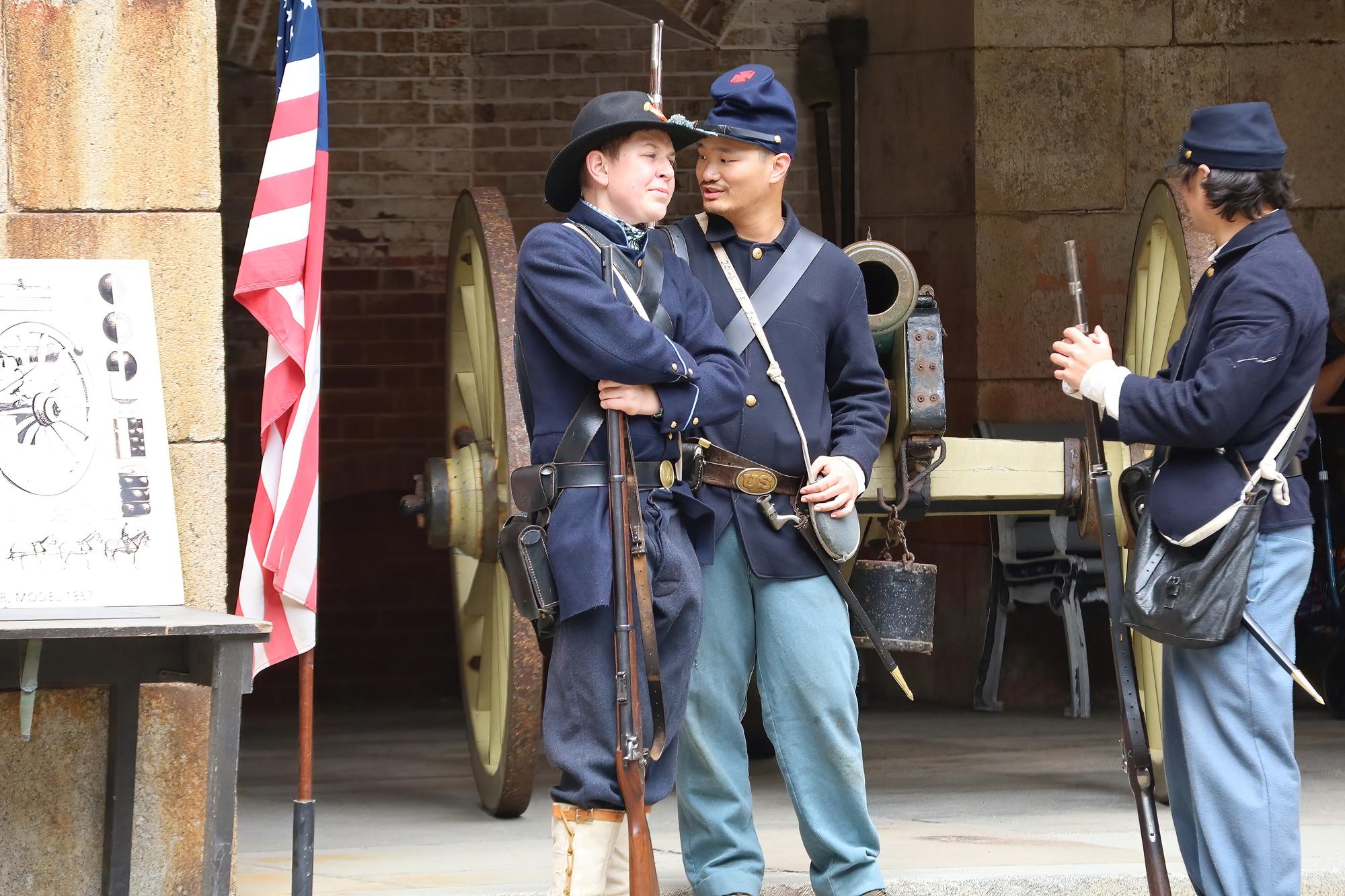
Begin with the Early War fortress diorama near the кремль to anchor your visit. This piece blends dramatic scale with intimate detail, sparking nostalgia while showing how they organized defense and life on the ground. The same core questions-how they worked, what they covered, and how the war affected daily routine-repeat across округов.
| Era | Must-See Highlight | Why It Matters | Practical Tips |
|---|
| Early War (1941-1942) |
Fortress diorama at the Entrance |
Marks the initial shock of invasion with a symbolic, soviet-style composition; it blends battlefield action with civilian resilience and hints at the commander-in-chief's heavy responsibilities. |
Stand close to the glass to read details; study the trench layouts and artillery placements; it can be crowded-visit first to set the pace for the rest of the halls. |
| Turning Point (1943-1944) |
War Production Gallery: Factory Floors, Tools, and Posters |
Shows how work on the home front kept the army supplied; it mixes official orders with amateur posters, highlighting both might and creative effort across same themes. |
Examine posters for coded messages and morale cues; trace artifacts along the production chain to connect tools and finished products to specific campaigns. |
| Final Phase (1944-1945) |
Commander-in-Chief Strategy Room |
Offers a front-row view of decision-making during the final offensives; the maps and notes are symbolic of how plans translated into action and how leadership steered the situation. |
Follow the routes on the maps; read briefing notes to understand timelines; the wall panels ведет you through the sequence and outcomes of key operations. |
| Postwar Memorialization (late 1940s-1950s) |
Memorial Gardens and Reconstruction Displays |
Shows how towns across округов recovered; the дзен-like calm of the gardens contrasts with earlier halls and invites reflection on reconstruction and resilience. The exhibits in the музею section emphasize continuity beyond combat. |
Visit near sunset for softer light and quieter surroundings; walk the garden loop to grasp transitions from war to peace; use the signage to relate actions to broader recovery efforts. |
Language Access: Translation INVASION, Audio Guides, and Transcripts

Grab a translation pack at the central desk to reach every display, then pick an audio guide and a transcript for inside the museum-gallery corridors.
Audio guides come in multiple languages; where transcripts are available, you can follow the narration while reading along on your device or printed sheets.
Inside the exposition, the transcripts illuminate the pre-war context and the брестская fortress story, including наградой moments tied to monuments and banners.
The glass cases and towers mark key routes, helping you plan your path from the central hall to the outer wings without missing highlights about operations and the front.
Another option for groups or families focuses on veterans memories, with stops at places featuring laurel plaques and the stories behind наградой awards, then a short talk at the outside yard.
Help desks near the entry assist with accessibility devices, and staff can arrange sign-language interpretation or large-print transcripts; this keeps the visit in a respectful style, so you can explore freely and comfortably.
Navigation and Accessibility: Maps, Elevators, Restrooms, and Seating
Grab a map at the information desk and start with the main lobby map; the format uses bold icons and color lines to show accessibility routes, restrooms, seating, and elevators, so you can plan beyond the first gallery.
Maps are available in English, Russian, and Belarusian, with large-print versions and tactile cues near the entrance; follow the color-coded lines to reach the bottom floors and all restrooms, and you'll see references to minsk and other hubs for context.
Two public elevators serve every level. They are located near the central lobby and the main stairwell; push buttons include tactile markers and audible floor cues to assist guests with vision impairments. On the bottom floor you access the grand auditorium and memorial space without stairs, and staff can help if you need a hand.
Restrooms appear on each floor, with accessible stalls, baby-changing tables, and clear signage; a restroom route is shown on the maps and staff can guide you to the best option for your group, keeping the flow smooth during peak times.
Seating appears along major galleries and inside the majestic memorial hall; many benches offer back support and quiet corners for rest between rooms. The borodino exhibit and победы displays provide a focal view, and the viewing platform offers the greatest view of the overall layout. For поколений moments and anniversary month considerations, another seating cluster is placed near the император wing and the massive memorial house. The поклонная wall ties the displays together, and our guide serguei can point out the best spots to fit your group. There is also a bottom-level option for an easier exit after the final display, ensuring a great finish to a memorable visit that resonates with ussr-defeat history and the enduring memory of победы.
Photography Rules, Etiquette, and Onsite Services
Turn off flash and keep voices low to protect artifacts and other visitors. obviously, the best light comes from the room's illumination, so photograph from the point where lighting is stable and reflections are minimized.
- No flash, no tripods, and no drones. Handheld photography is allowed where signage permits.
- Respect the displays: do not touch cases; keep distance and avoid leaning on vitrines, especially around the bottom edges.
- Zones and signage: follow posted indications for photography zones; in restricted areas, respect staff directions.
- Sound etiquette: speak softly; use silent shutter modes if available.
- Exhibit-specific notes: the self-propelled models in the vasilevsky wing are photographed from the aisle; use zoom to minimize reflections.
- Gilded details: artifacts with золотом inlays require careful lighting; photograph from the viewing side and avoid direct flash.
- Historical context: in the timoshenko and presnya sections, capture captions and plaques for accurate captions and to convey the fatherland narrative, including the october era.
- Political content: avoid photographing banners or materials in ways that could misrepresent content; show respect for sensitive materials.
- Underground and second-floor routes: access follows separate paths; check the point indicated by staff and follow the signage to avoid congestion.
- Places and routes: choose photo-friendly places with clear sightlines; respect crowding and move calmly between shots.
Onsite services included with admission:
- Audio guides available in multiple languages; include material related to federation-era displays and the fatherland theme.
- Cloakroom, lockers, and bag guidelines to keep equipment safe during your visit.
- Gift shop, café, and rest areas near presnya комплекс entrances; созданный after the war to welcome visitors.
- Accessibility: ramps, elevators, tactile maps, and assistance for visitors with mobility needs.
- Guided photo tours: expert-led sessions cover vasilevsky, timoshenko, presnya, and october-era rooms to help you capture accurate captions.
- Photographic tips and zones: staff point out optimal places to photograph, including the bottom level displays and a few triumphal arches that frame the spaces well.
again, plan your route to photograph highlights across the complex, from the underground to the triumphal arches.
Tips for Families, Veterans, and School Groups
Book a guided tour with четыре stops today, focusing on the permanent diorama and paintings that tell the greatest lives of soldiers and the liberation story. The plan includes visits that stay within comfortable timeframes for all ages.
For families, plan two visits at a relaxed pace: a 20-minute intro near the stones and diorama, followed by a kid-friendly review of the central paintings. Bring the буклет at the entrance to guide questions, and point out золотом frames on key plaques to spark curiosity.
Veterans will appreciate historically grounded, guided commentary that highlights liberation, четыре major operations, and the lives touched by war. The guide can obviously tailor the focus to interests like the roles of poland and romania, and explain the Кремля context found in panels and displays, including works connected to tsereteli.
School groups benefit from a pre-visit буклет that aligns with classroom goals, then a guided route through the permanent galleries to study paintings and the diorama. Include a short task to compare four scenes and discuss how power shaped civilian lives, with a focused look at the artist's diorama techniques and the sculptural works by tsereteli.
Practical tips: arrive early to minimize delay, use the буклет during the tour, and schedule breaks between segments. Today's visits are designed to be portable and family-friendly, with clear signage in золотом lettering and staff ready to help in poland and romania contexts if needed. Finally, ask for a short, focused Q&A at the end to reinforce learning and make every moment count.