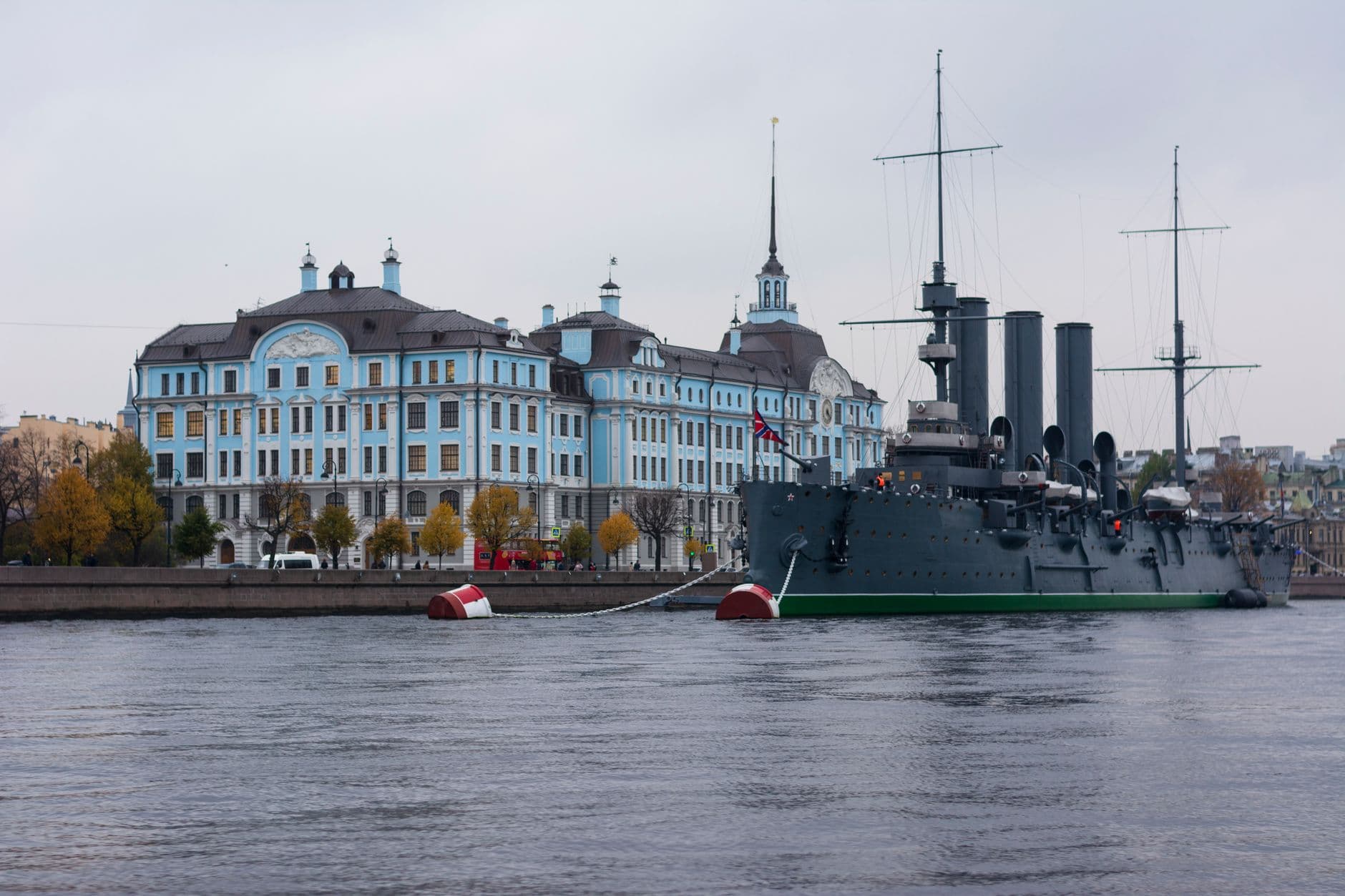
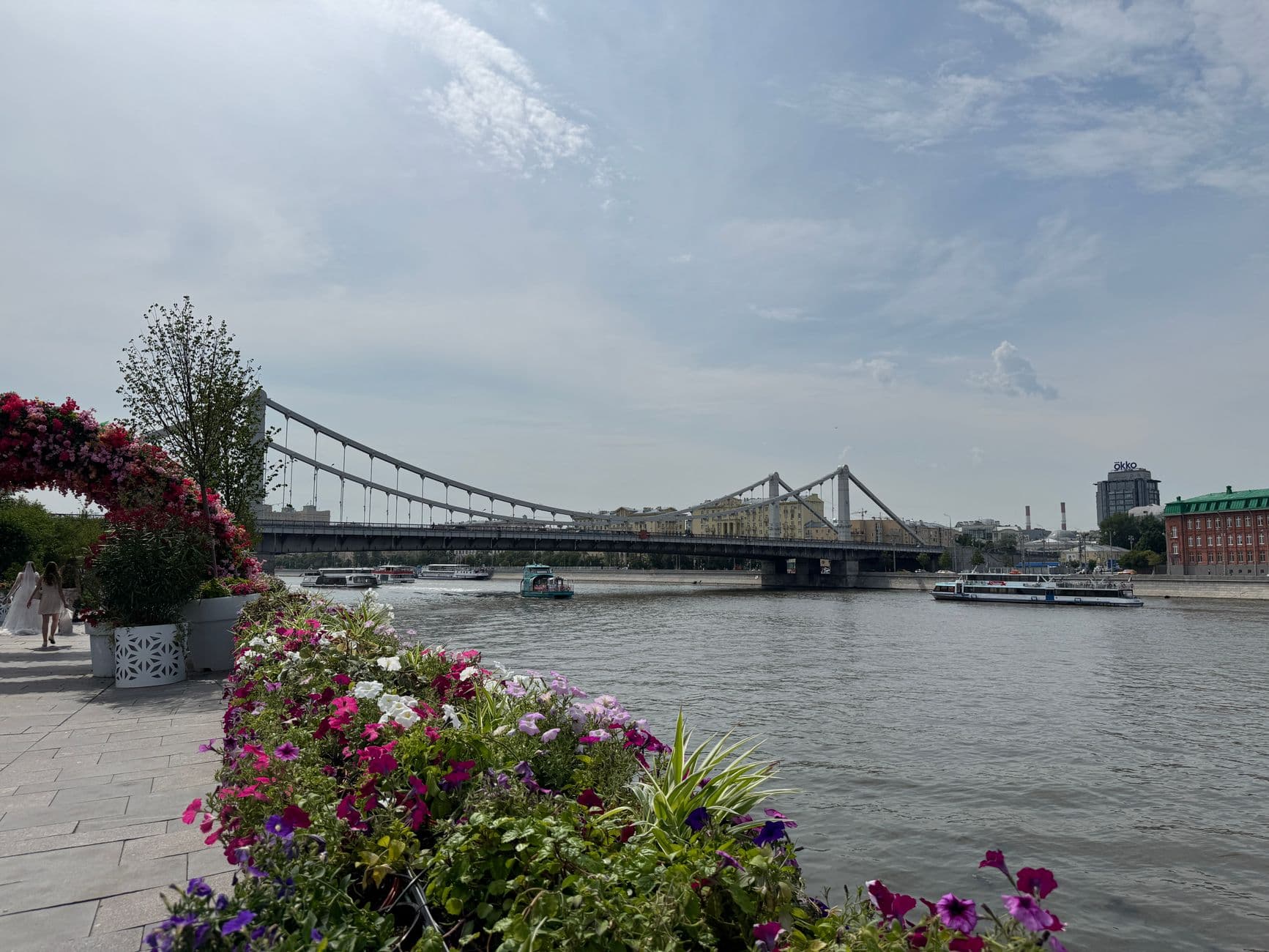
Choose a four-stop line route from ulan-ude to petersburg, routing through buryatia and several stations along the way. In october the taiga turns copper and gold, turning every place into a living postcard, perfect for tourists. These places deserve more time.
This program splits into four segments with clear timing at each station. Visiting neighborhoods, you can browse a local market, stroll the square, and step inside a church where mosaics glow. You'll glimpse fauna along rivers and marshes, share traditions at village gatherings, and hear traditional songs during market days.
To maximize comfort, follow these four ways: cruising between stations for long daylight hours, overnight stays in traditional inns in buryatia towns, guided tours of a market, and slow strolls through historical districts along the line.
That practical plan will help tourists decide once and for all; book ahead, check schedules at ulan-ude and petersburg, and reserve time for iconic places like the square and the church, while keeping an eye on fauna, mosaics, and market life.
Use this plan to shape your itinerary and let the line carry you past lakes and steppes through october light, with moments of visiting and rest that add a perfect balance to the experience.
Day 12 in Moscow: Quick Rail-Ready Routes to Nearby National Parks
Today's best quick option is a four-hour loop from Moscow to Yaroslavl via a direct high-speed service, then a short transfer to Goritsy for a compact circuit among monasteries and chapels, returning by dusk. Guests can appreciate open views over the Volga and the surrounding countryside; this path keeps the day manageable and gives a clear sense of history without long detours.
For a deeper blend of culture, add Vershinino to the route: a short transfer from Yaroslavl leads to a village house atmosphere and fish options such as omul. Keep in mind this adds time, but it remains within a comfortable day. If you crave a longer horizon, plan a weekend extension to Kizhi (requiring a multi-hop journey and a boat), which is not ideal for today. In the region, some spots nod to distant histories like tiananmen-inspired chapels; listeners may note traditions, khan-era motifs, and winter marches that echo Europes-era styles.
| Destination | From Moscow | Duration | Transfers | Highlights | Notes |
|---|---|---|---|---|---|
| Yaroslavl | Direct high-speed link | 3h45m | 0 | Old town, Volga views, palaces, museums | Best for today; open city center; history-rich stroll; Europes atmosphere |
| Goritsy | From Yaroslavl - local service | 1h15m | 1 | Goritsky Monastery, chapels, river setting | Compact loop; fish snacks available (omul); come early |
| Vershinino | From Yaroslavl via short transfer | 0h50m | 1 | Village charm, traditional houses, quiet countryside | Quiet stop; guests enjoy local hospitality; try regional fish dishes |
| Kizhi | Petrozavodsk via direct line, then boat | N/A for day trip | Multi-modal | World Heritage wooden churches, windmills | Not feasible for today; plan as weekend getaway |
| Exhibit region (tiananmen-inspired chapels) | Local transfers | Half-day | 1 | Chapel mosaics; cultural motifs; history and blood stories | Notes a regional blend of traditions; check winter access |
Nearest National Parks Within a Day-Trip by Train from Moscow
Begin with Losiny Ostrov, the wild escape closest to the capital, reached by a brief rail link into the eastern suburbs and a short forest loop. Duration of the outward leg is about 1.5 hours, with a similar time back, leaving 4-5 hours on-site for calm trails, rivers views, and photo stops. Start early to fit this into a single day and return before evening rush.
Along the route you'll pass wooden houses in nearby villages and a church spire piercing the treeline. The trail network hugs rivers and opens up to varied views, from river flats to shaded pine corridors. This option is a compact, unique wild experience just outside the region of Moscow.
Prioksko-Terrasny Reserve near Serpukhov offers a second feasible day-path. From Moscow, take a rail service to Serpukhov (about 1.5-2 hours) and then a short bus or taxi to the reserve entrance. The landscape blends steppe-like meadows with river floodplains; guided walks here deepen understanding of deer populations and wetland ecology. A typical loop runs 2-3 hours, with an optional longer circuit if you want to extend the day and soak up more grandeur.
Other nearby options can be reached by the same rail network with similar timing; these parks continue to offer varied scenery and the chance to attend ranger talks or meet locals. Russian visitors often prefer cruising along the easy trails, gathering memories and keeping the pace comfortable. For a quick and efficient day, choose a route that fits your energy level and begin early.
Itinerary example: Losiny Ostrov day-depart Moscow early along the rail network; arrive around 09:00, hike 2-3 hours, and return by 17:00. Prioksko-Terrasny day-depart around 07:50, arrive 09:50, spend 2-3 hours on trails, return by 17:00. Both options are unique and provide varied views of forests, rivers, and rural life. Once you decide which itinerary you will follow, gather a compact kit, and забронировать tickets ahead of time to secure slots.
Practical tips: check schedules on the official portal; e-mail the reserves for updated information and group visits; ring ahead to confirm. Bring a light jacket, water, snacks, and a small camera. For russian travelers, the easiest trails are in easy class routes; cruising along the rail line gives a sense of grandeur and serenity. The area around Moscow offers a quick entry into the wild, a unique chance to see rivers, steppe patches, and church spires in a single day.
For broader ambitions, the rail network continues toward ulan-ude, forming a longer ring that belongs to another itinerary rather than a one-day escape. This is an opportunity to gather ideas and plan a second leg in Siberia, once you have tested these day trips and shared them with fellow travelers via e-mail or social rings.
Rail Schedules, Stops, and Transfer Tips for Moscow-National Park Routes
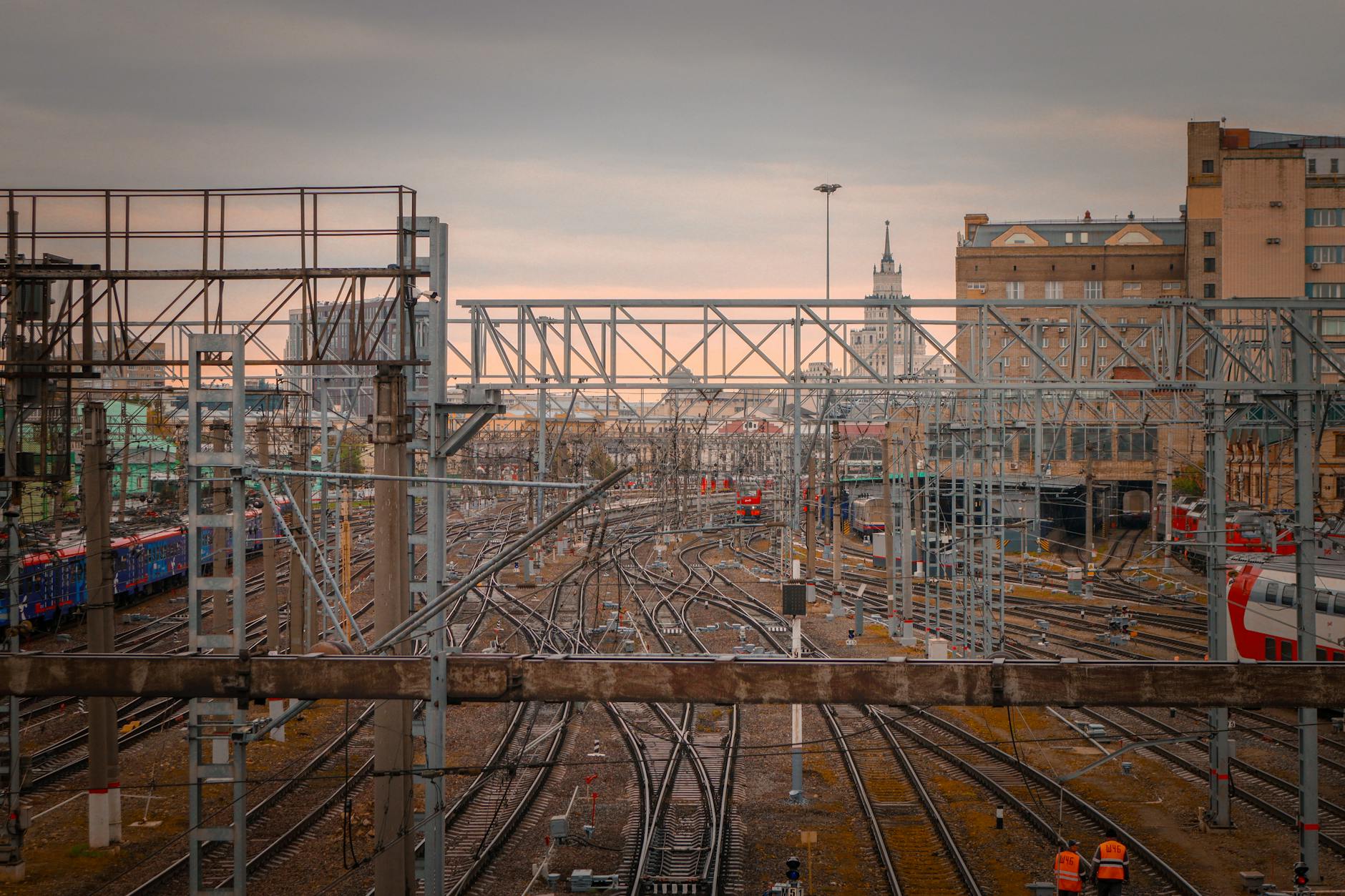
Begin with a westward daytime link from Moscow to the gateway town, then transfer to a regional service that reaches the park entrance directly; this arrangement leaves the evening free for a site stroll and a fresh view of the forest.
Schedules cluster around two patterns: daytime connections that merge with regional lines and occasional night options arriving at smaller villages before dawn. Expect 1-3 mainline departures per day on weekdays, with more on weekends; seasonal changes and holiday periods add extra legs. Open-jaw tickets and flexible passes often save time.
Transfers work best at hubs where platforms align for a smooth swap; allow 45-60 minutes for a comfortable change. If you miss a connection, the next service is typically available within the same day, and nearby stations offer a rest area, coffee, and a quick map check.
Gateway towns sit open to lakes and forest coves; these stops usually feature guesthouses, traditional inns, and markets where locals sell souvenirs and omul. petersburgs and fellow travels alike begin with a calm morning before heading westward toward vast nature. After a short stay, you can sail a lake cruise or stroll along a riverside path, then resume a route that follows the natural contours of the region.
These routes weave through areas where enormous histories echo in wooden churches and exiled communities; travelers encounter traditional life that feels fresh and magnificent, yet remains deeply connected to local traditions. If flexibility matters, a hop-onhop-off option lets you explore multiple access points without buying separate tickets for each leg-ideal for fellow travels who want to maximize time in the outdoors.
Pause at a riverside cafe to rest and revive the open throat of the valley air, then continue to the next leg. For those seeking luxury, a handful of gateway houses offer forest-view rooms and private transfers to trailheads, turning a long day into a comfortable, restful experience after a day of outdoor discoveries.