
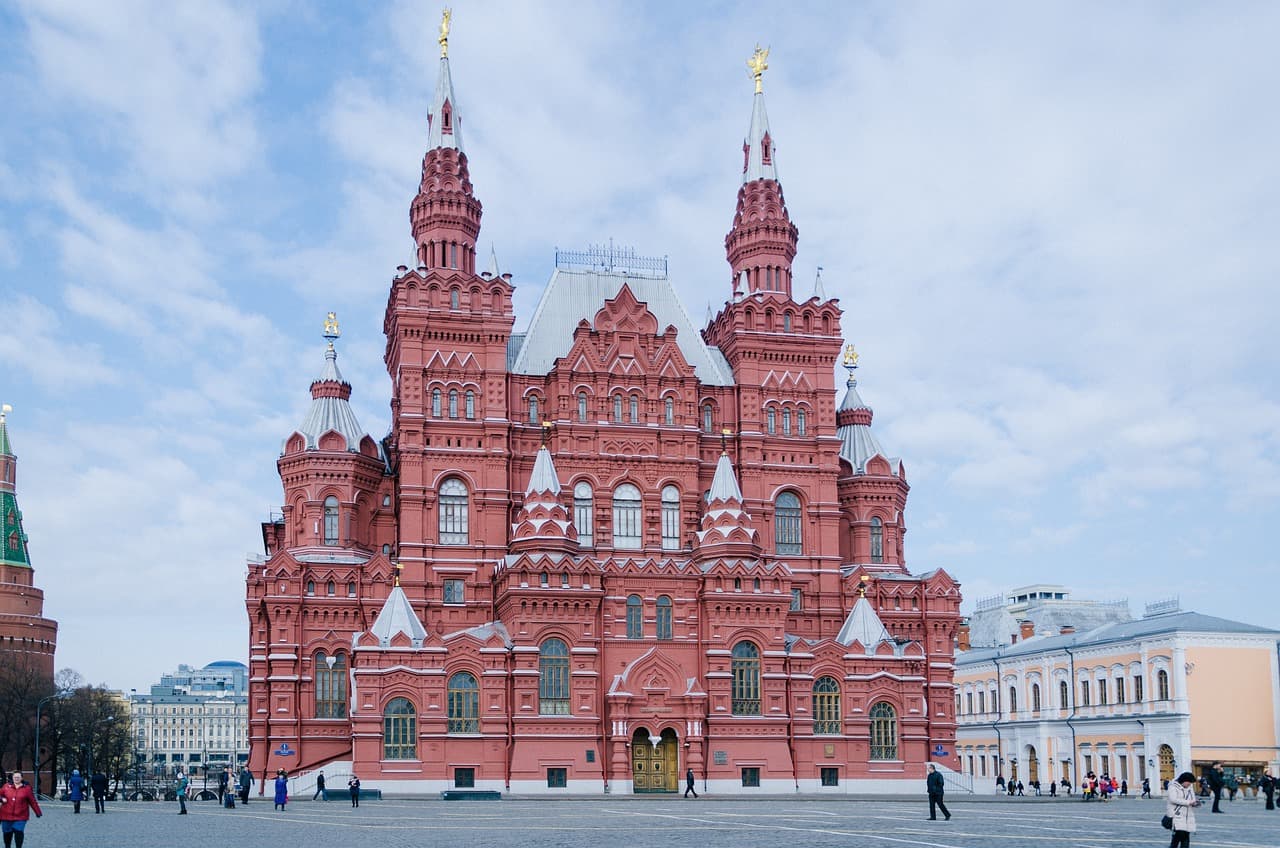

Nestled in the heart of Moscow, the Kosmo Museum stands as a testament to humanity's unyielding fascination with space exploration. This unique institution not only celebrates Russia's pivotal role in the space race but also invites visitors on an immersive journey through the history, science, and future of cosmic exploration. With its cutting-edge exhibits, interactive displays, and rare artifacts, the museum bridges the gap between past achievements and the limitless possibilities of tomorrow.
The Genesis of the Kosmo Museum: From Vision to Reality
The Kosmo Museum was conceived as a tribute to humanity's enduring quest to understand the universe. Founded in 2019, this space museum occupies a modern, purpose-built facility designed to evoke the sleek lines of a spacecraft. Its creation reflects a growing global interest in space exploration, fueled by advancements in technology and renewed ambitions for interplanetary travel.
The founders envisioned the Kosmo Museum as more than just a repository of artifacts; they aimed to create an experiential space where visitors could engage with the wonders of the cosmos. This vision is evident in every aspect of the museum's design, from its thematic zones to its state-of-the-art multimedia installations.
Architectural Design: A Space Museum Like No Other
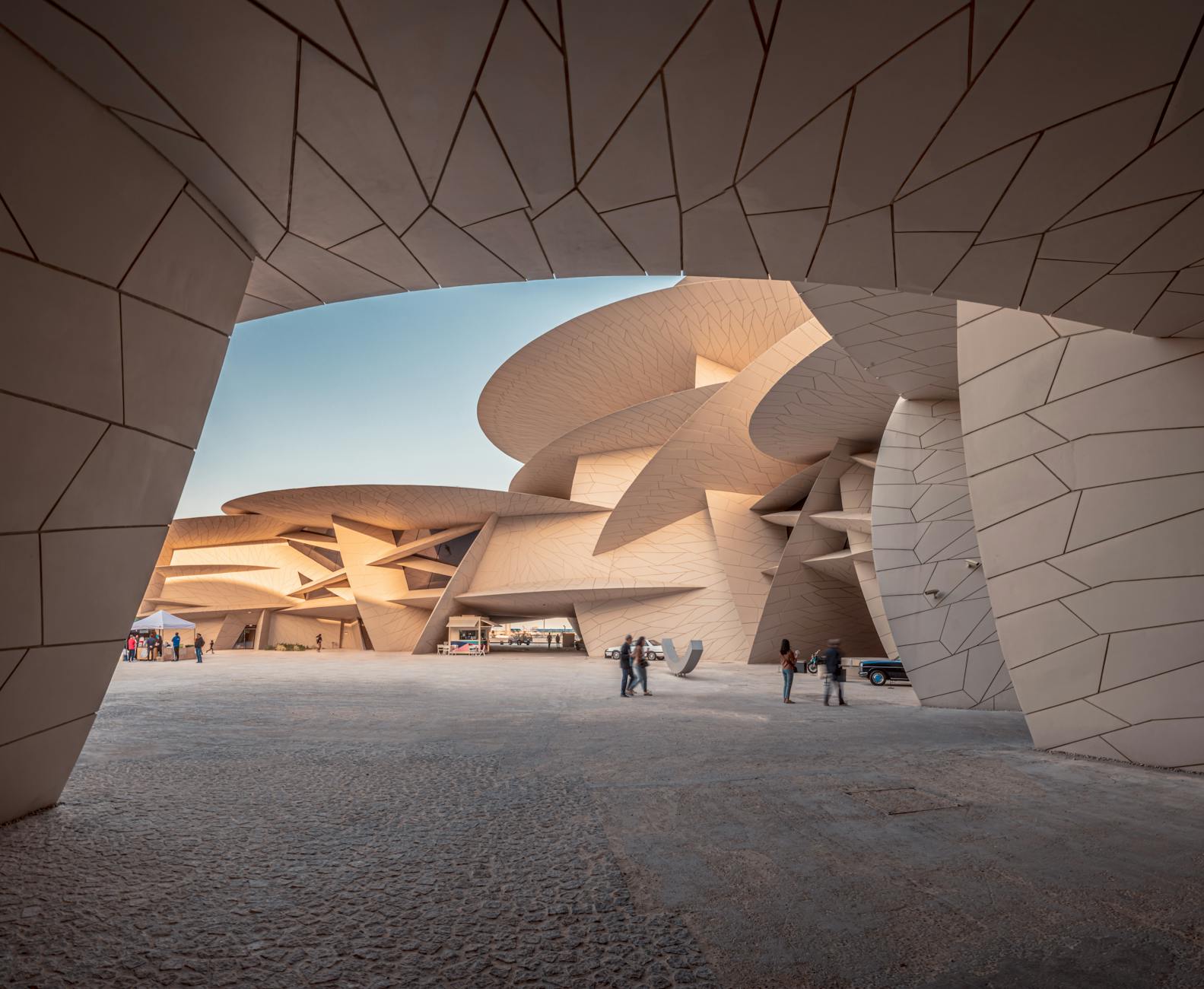
The building itself is a marvel of contemporary architecture. Its exterior features reflective surfaces that mimic the shimmering vastness of outer space, while the interior is organized into distinct galleries, each dedicated to a different facet of space exploration. The central atrium, crowned by a massive digital planetarium dome, serves as the Kosmo Museum's focal point, drawing visitors into a world beyond Earth's atmosphere.
Journey Through Space History: Celebrating Soviet Achievements
Planning your Moscow museum visit?
Skip the queues — book museum tickets and guided tours in Moscow.
Book a tour →
The Soviet Space Legacy at the Kosmo Museum
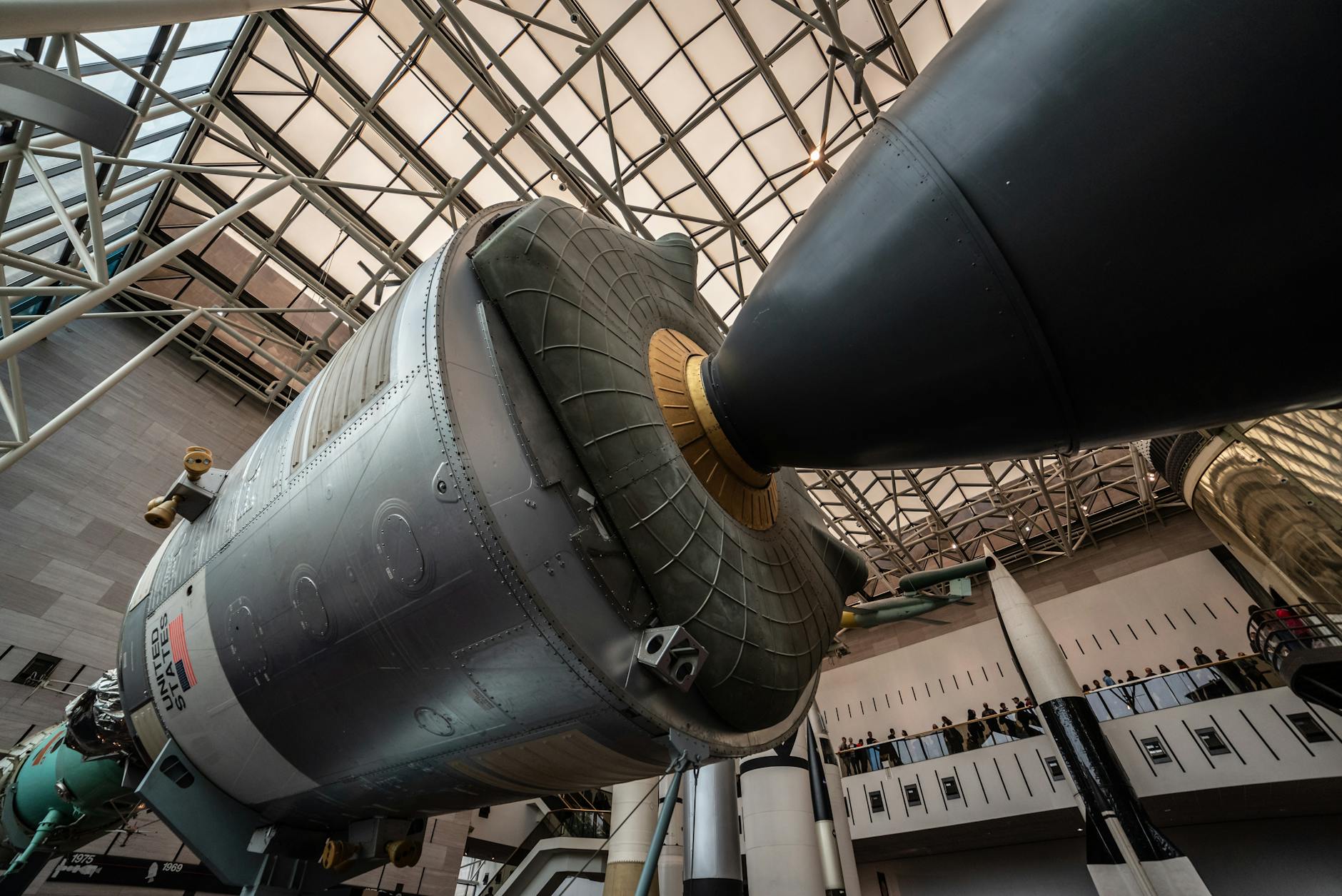
No exploration of space history would be complete without acknowledging the Soviet Union's groundbreaking contributions. The Kosmo Museum dedicates an entire section to this era, showcasing iconic artifacts such as:
- Sputnik-1 Replica : The first artificial satellite launched in 1957, which marked the dawn of the space age.
- Vostok-1 Capsule : A model of Yuri Gagarin's historic spacecraft, commemorating his pioneering flight as the first human in space.
- Luna-9 Lander : Celebrating the first successful soft landing on the Moon in 1966.
These exhibits are complemented by archival footage, photographs, and personal belongings of cosmonauts, offering a glimpse into the challenges and triumphs of early space missions.
International Collaboration: A Global Cosmic Exploration Hub
While honoring Russia's achievements, the Kosmo Museum also emphasizes the collaborative nature of modern space exploration. Exhibits highlight joint ventures such as the International Space Station (ISS) and Mars rover projects, underscoring how nations have come together to push the boundaries of knowledge.
Interactive Learning Zones: Hands-On Science at the Space Museum
Hands-On Science: Engaging Visitors at the Kosmo Museum
One of the museum's standout features is its commitment to education through interactivity. The "Space Lab" zone allows visitors to conduct virtual experiments, simulate zero-gravity environments, and learn about orbital mechanics. These hands-on activities make complex scientific concepts accessible to audiences of all ages.
Virtual Reality Experiences: Immersive Cosmic Adventures
Cutting-edge VR technology transports guests into the cockpit of a Soyuz spacecraft or onto the surface of Mars. These immersive experiences provide a visceral understanding of what it feels like to journey beyond Earth, making the seemingly impossible feel within reach. At the Kosmo Museum , visitors can truly step into the shoes of astronauts.
Art Meets Astronomy: Creativity Inspired by the Cosmos
Cosmic Inspiration: Artistic Expressions at the Kosmo Museum
The intersection of art and science is beautifully explored in the museum's "Cosmic Canvas" gallery. Here, contemporary artists interpret celestial themes through paintings, sculptures, and digital installations. Works range from abstract representations of black holes to lifelike depictions of distant galaxies, demonstrating how the cosmos continues to inspire creativity.
Historical Artifacts: Space-Themed Art from the Soviet Era
In addition to modern pieces, the gallery displays historical artworks commissioned during the Soviet era to celebrate space achievements. These include propaganda posters, commemorative stamps, and official portraits of cosmonauts, offering insight into how space exploration influenced popular culture.
Future Frontiers: Exploring Tomorrow's Possibilities at the Kosmo Museum
Next-Gen Technologies: Innovations Shaping Space Travel
A dedicated section explores emerging technologies shaping the future of space travel. Visitors can examine prototypes of reusable rockets, ion propulsion systems, and advanced life-support modules. Interactive panels explain how these innovations aim to make space exploration safer, more sustainable, and accessible to private enterprises.
Colonizing Other Worlds: Visions of Humanity's Cosmic Future
The Kosmo Museum doesn't shy away from speculative ideas about humanity's future among the stars. Exhibits discuss plans for lunar bases, Martian colonies, and even terraforming efforts. Through detailed models and animations, visitors can envision what life might look like on other planets.
Educational Programs and Outreach: Inspiring the Next Generation
School Initiatives: Fostering STEM Education at the Kosmo Museum
The Kosmo Museum places a strong emphasis on educating the next generation of scientists, engineers, and dreamers. Its educational programs include:
- Guided tours tailored to different age groups
- Workshops on rocket design and astrophysics
- Summer camps focused on STEM learning
Teachers receive comprehensive resources to integrate space science into their curricula, ensuring the museum's impact extends beyond its walls.


