Two days in Moscow is not enough. But if you don't try to see everything and decide in advance what you're willing to skip, you can experience the highlights over the weekend without turning the trip into a checklist marathon.
If you do have a day to spare, check out "Moscow in 3 Days": it breaks down how to spend the third day so it doesn't just turn into another museum visit.
This route is designed for someone visiting Moscow for the first time. It's compact: almost everything is within the city center, with walking or just two to three metro stops between points. No cross-city trips just for one museum.
What can you really do in two days?
Honestly: the Kremlin with the Armoury Chamber, the Tretyakov Gallery, and VDNKh can't all be done in one weekend. Well, you *could* combine them, but you'd spend the whole day watching the clock. So the route is structured this way: the first day is the historic center, and the second day is your choice—museums or a stroll.
Day one: the center
Morning. Red Square and the Kremlin
Start early, by nine. By noon, Red Square gets crowded, and the line for the Kremlin grows longer.
The square itself is free and open. St. Basil's Cathedral, GUM, Mausoleum, and the State Historical Museum—all of them are right here in this small area. Plan an hour for an external view.
Visit GUM—not to shop, but to admire the building itself: the glass domes, the bridges between the galleries, and the fountain. And don't forget to try the GUM ice cream—the classic plum ice cream in a waffle cup that's been sold in these very walls since Soviet times. It costs next to nothing, the line moves quickly, and this is one tourist ritual that's absolutely worth it.
Right from the square, three more things are within a five-minute walk:
Alexander Garden runs along the western wall of the Kremlin. There you'll find the Tomb of the Unknown Soldier and the Eternal Flame, and every hour there's a guard change—a short, precise ceremony that's worth watching even for those indifferent to such displays. It's also the shadiest part of the route, which matters in summer.
Nikolskaya Street is pedestrian-only, leading from Red Square to Lubyanka. By day, it's just a beautiful street, but in the evening, strings of lights illuminate it, turning it into Moscow's most photographed corridor.
Theater Square and the Bolshoi Theatre. Even if you don't go inside, the building with the quadriga of Apollo is worth the trip. If you want to see a performance, tickets sell out in advance and are quite expensive, so this should be arranged before your trip, not on the spot.
The Kremlin is the main decision of the day. There are three options:
The territory and cathedrals. A combined ticket for Cathedral Square costs around 1,100 ₽, with a discounted rate being cheaper. This includes five cathedrals, Ivanovskaya Square, the Tsar Cannon, and the Tsar Bell. It takes about one and a half to two hours.
The Armoury Chamber requires a separate ticket, around 1,300 ₽, and entry is strictly by session, with the first at 10:00 and the last around 16:30. Closed on Thursdays. Another hour and a half to go.
Both options take up half a day and cost a significant amount for two people.
If you're in Moscow for the first time and short on time, I'd focus on Cathedral Square and save the Armoury Chamber for your next visit—it demands a leisurely pace, and rushing through halls filled with royal regalia isn't much fun.
Buy tickets in advance on the official website kreml.ru. The line at the ticket office can be longer than the queue to enter the Kremlin itself, and tickets for popular sessions at the Armoury Chamber sell out several days ahead.
Prices and opening hours may change—check kreml.ru before your visit.
Day. Zaryadye Park and Kitai-gorod.
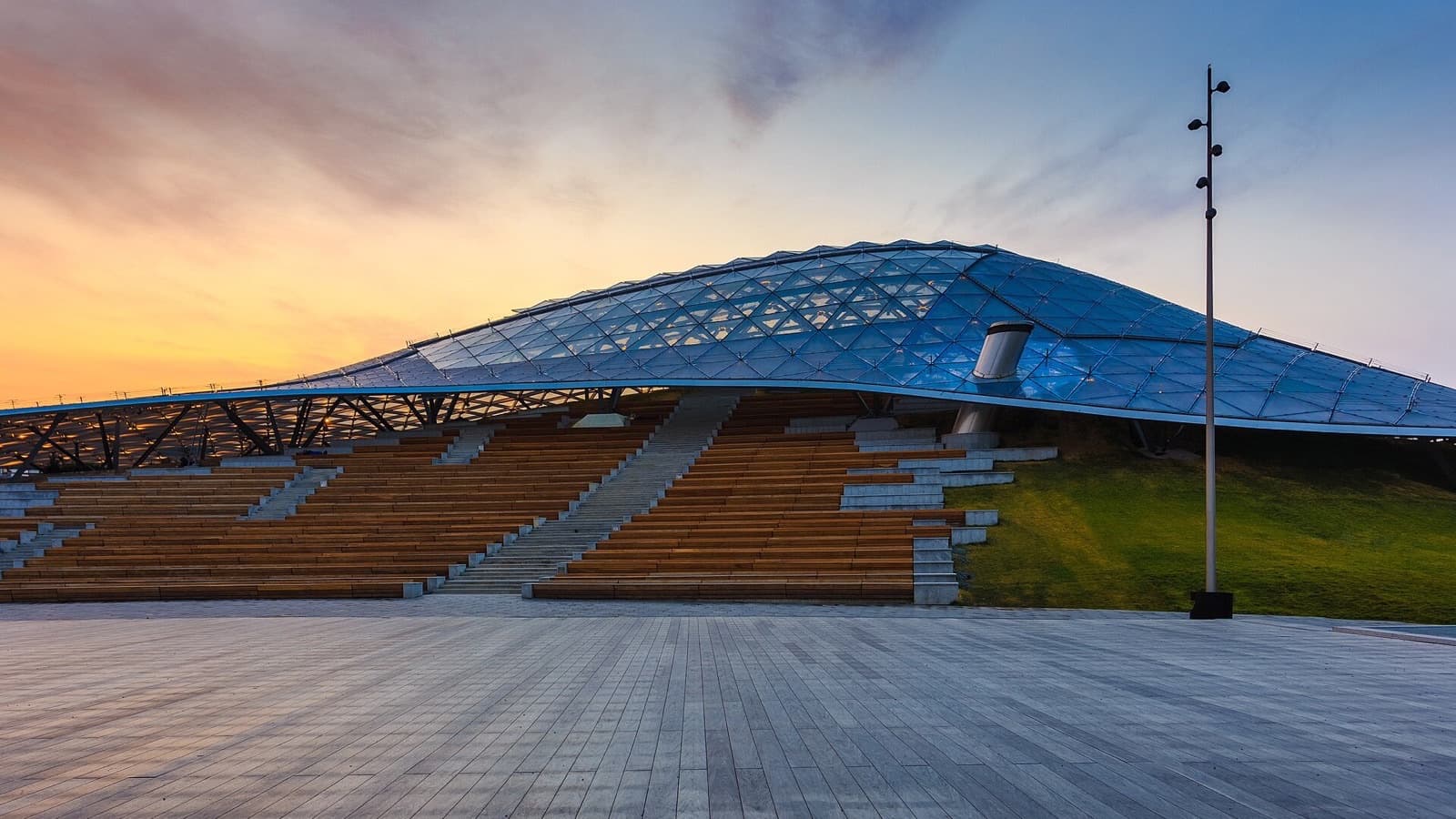
From Red Square, it's a five-minute walk to Zaryadye Park. Entry to the park itself is free. The main attraction is the Floating Bridge over the Moskva River: from here, you get the best free view of the Kremlin and the Kotelnicheskaya skyscraper. The photos that people pay for at observation decks can be taken here for free.
Next is Kitai-gorod. Varvarka with its 16th-17th-century churches, Ilyinka, Maroseyka.
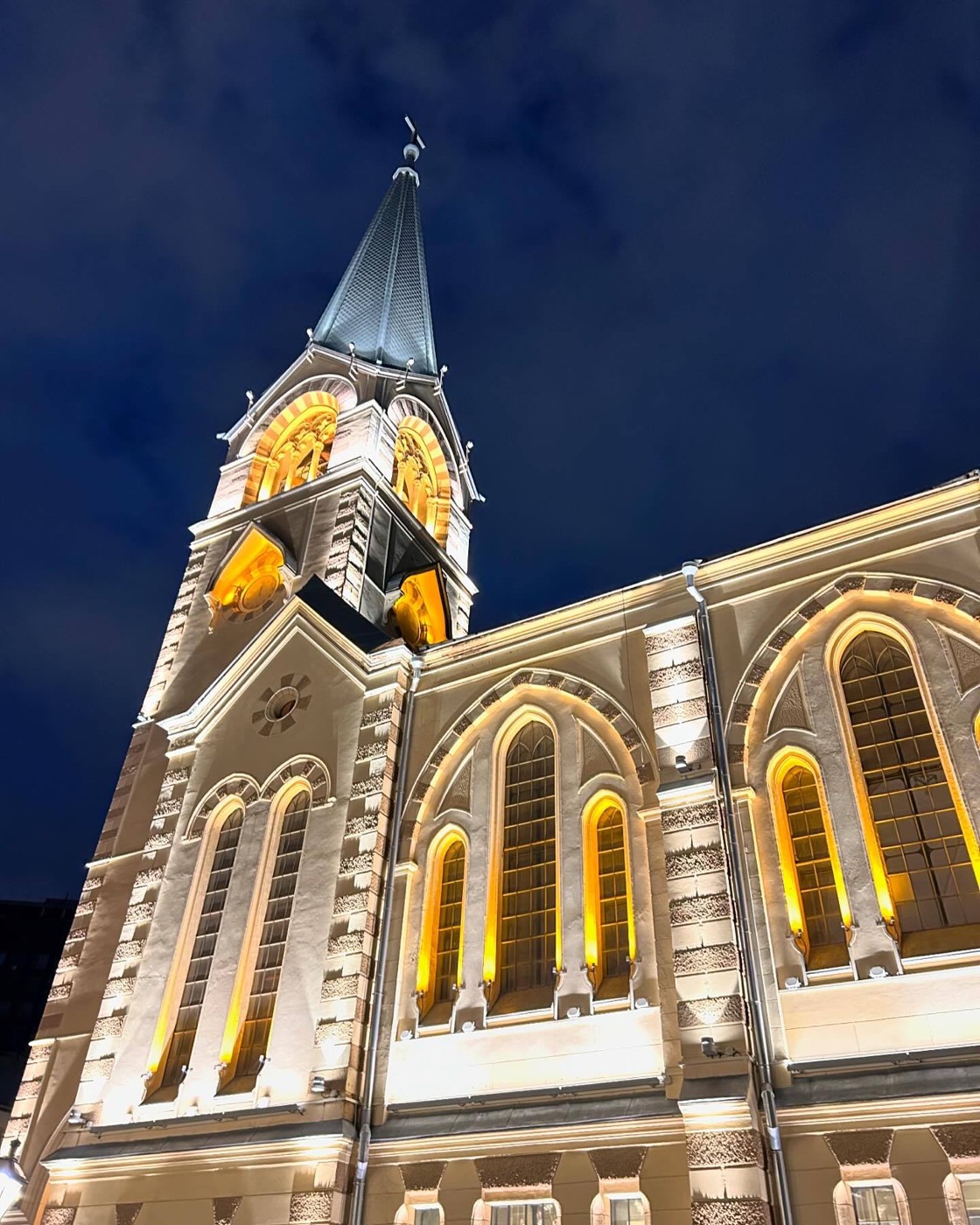
The Cathedral of Saints Peter and Paul on Starosadsky Lane is illuminated in the evening, and its Neo-Gothic spire is visible from nearby courtyards.
And right here is something almost everyone passes by: in Starosadsky Lane stands the Cathedral of Saints Peter and Paul—a Lutheran church with a tall Gothic nave amid Moscow's lanes. Inside, organ concerts are regularly held, and tickets are affordable. Around the cathedral is Ivanov Hill, one of the few spots in the center where old, unpolished Moscow is preserved: crooked lanes, courtyards, and uneven terrain.
Here you can enjoy a convenient lunch: the alleys around Maroseyka and Pokrovka are full of small cafés where a meal per person costs around 600-1,200 ₽. In establishments with a view of the Kremlin, the same lunch costs twice as much.
Evening. Walking along the boulevards.
As the sun sets, head to Patriarch's Pond or stroll along Boulevard Ring. These aren't exactly "attractions"—they're just everyday Moscow life, and that's often what visitors love most.
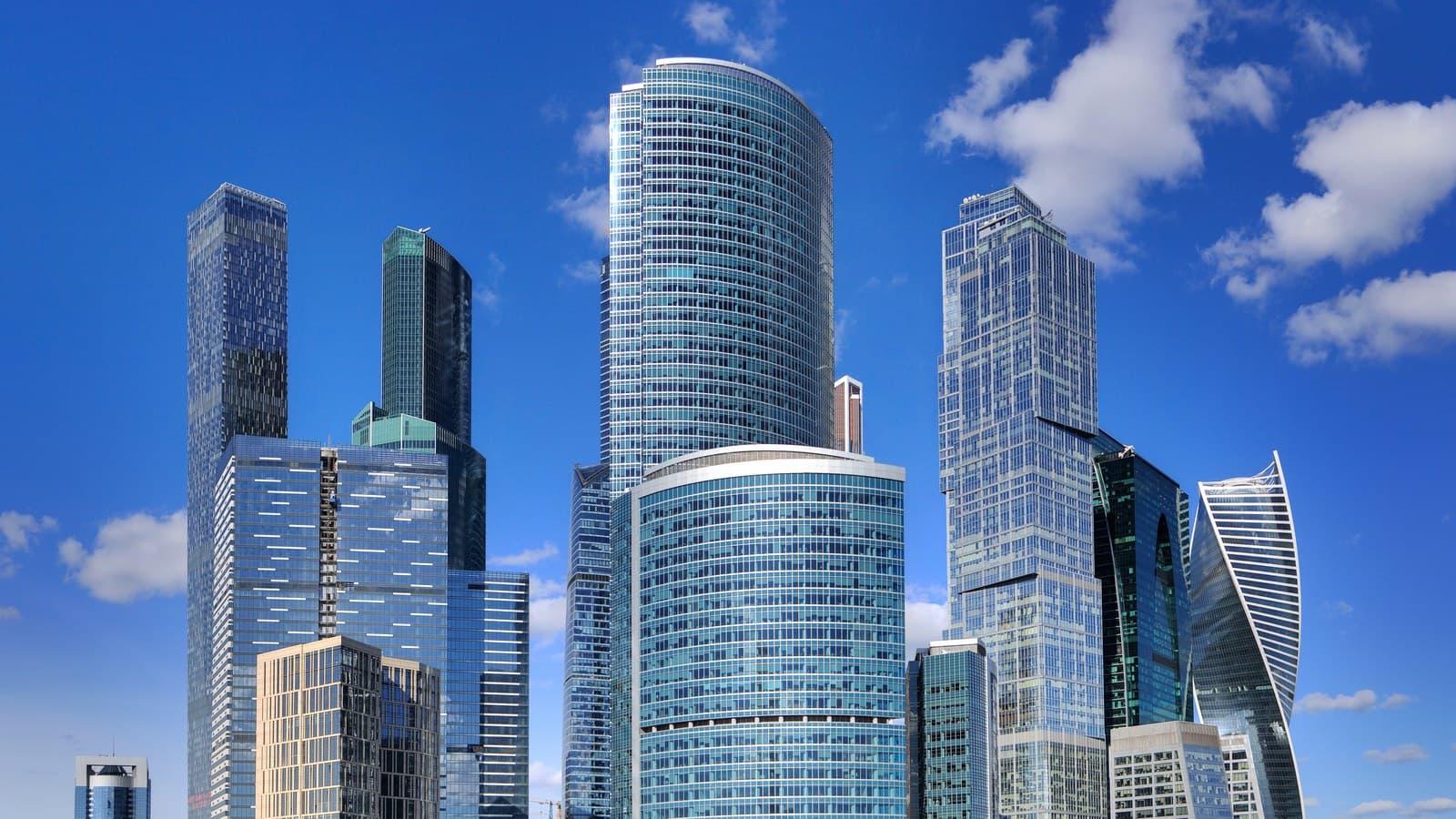
An alternative if you still have the energy: Moscow City and the observation deck on the 89th floor. Tickets cost around 1,500-2,500 ₽ depending on the time. The view is impressive, but keep in mind that after sunset you mostly see lights rather than the city.
at the Bank of Russia rate on 24.10.2026 · powered by tutkakdoma
Day Two: Two Scenarios
Scenario A - Museums
The Tretyakov Gallery on Lavrushinsky Lane features Russian art up to the 20th century: Ivanov, Repin, Vrubel, and Rublev's *Trinity*. A leisurely visit takes three hours; a rushed one, two.
The Pushkin Museum on Volkhonka Street offers European art, antique casts, and Impressionist works. It's just a ten-minute walk from the Kremlin, making it convenient if you didn't finish everything yesterday.
Choose just one. Two large museums in a row is too much—by the third hall of the second museum, the paintings start to blur together.
After the museum—Gorky Park and the embankment. From there, walk along Krymskaya Embankment to Muzeon and back: a leisurely 1.5-hour stroll along the river.
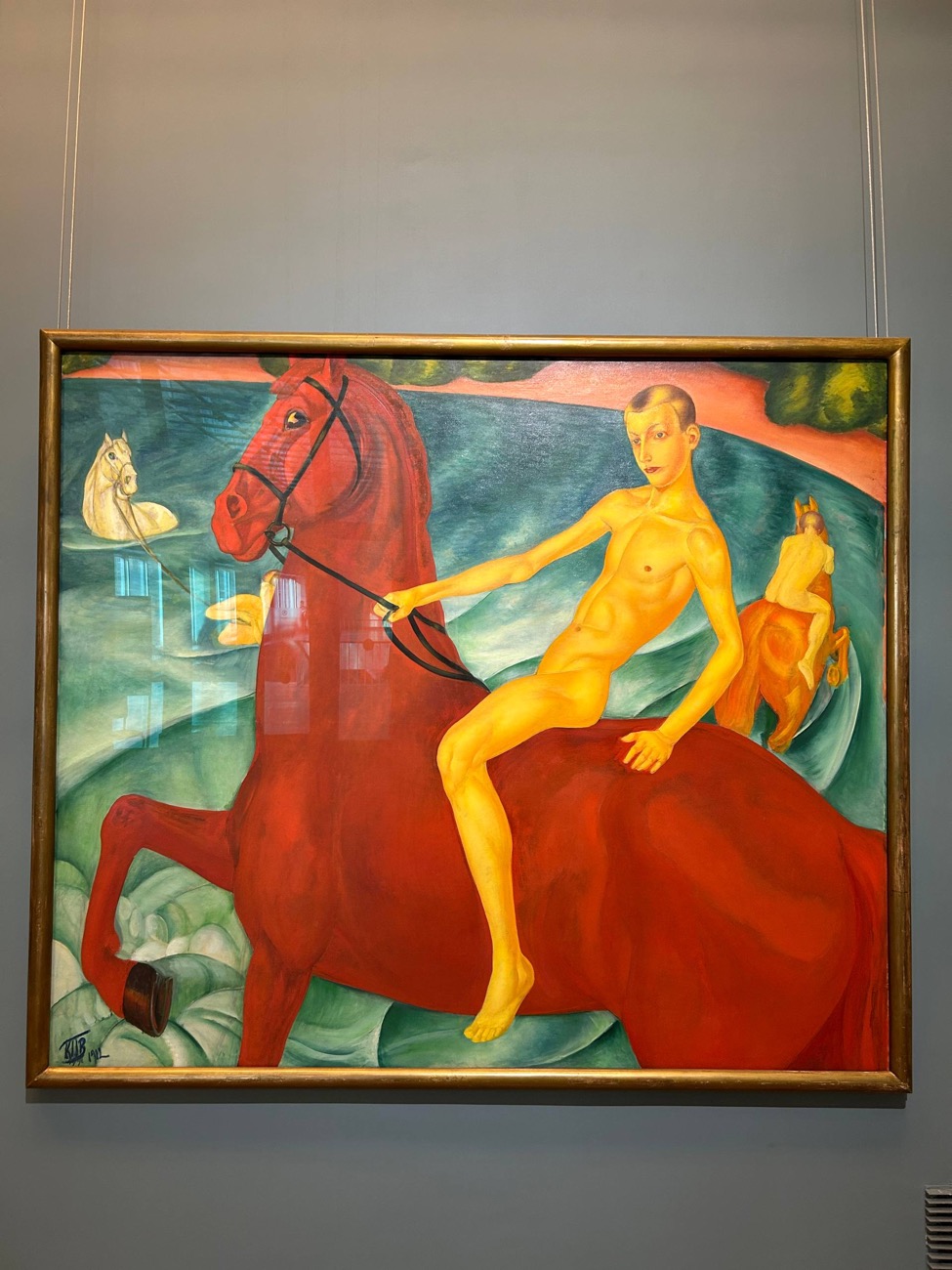
An important detail that even Muscovites often confuse: there are two Tretyakov Galleries. The one on Lavrushinsky Lane is dedicated to art up to the 20th century. The New Tretyakov Gallery, located right by Gorky Park on Krymsky Val, showcases 20th- and 21st-century art: Malevich, Kandinsky, Goncharova, Socialist Realism, post-war, and contemporary works. So if classical art doesn't appeal to you but you still want to see paintings, head here—it's literally on the way from a stroll.
"The Bathing of the Red Horse" by Petrov-Vodkin is one of those masterpieces worth visiting the Krymsky Val for.
Here is the translation of the provided text into natural, native-quality English:
Scenario B — without museums
If the "standing in halls" format isn't your thing, the second day is better spent at VDNKh. This is a vast area with Stalin-era pavilions, the "Friendship of Nations" fountain, the Cosmos pavilion, and the Moskvarium. A proper visit takes half a day, and it's a completely different Moscow, unlike the city center.
The second option is Kolomenskoye or Tsaritsyno—parks with estates where Muscovites go for weekend walks. They are farther from the center, but there are fewer people, and entry to both parks is free.
What locals know, but tourists usually don't
The observation deck on the roof of the Central Children's Store on Lubyanka. Views of the Kremlin, Lubyanka Square, and the spire of Moscow State University—yet it costs significantly less than the observation decks in Moscow City. Admission used to be free, but now it's paid, though nominal; check the price on the TsUM website, as it varies across sources. Open approximately from 10:00 AM to 10:00 PM.
Cafeteria No. 57 in GUM. Have lunch just steps away from Red Square without paying restaurant prices. The format of an honest Soviet-era cafeteria is an attraction in itself.
Organ concerts at St. Peter and Paul Cathedral in Starosadsky are an evening in the city center for a small price and not at all touristy.
The Apothecary Garden near Prospekt Mira Metro Station is the oldest botanical garden in Russia, founded under Peter the Great. Small, quiet, and perfect when you're tired of squares and crowds.
Zaryadye instead of paid observation decks. I'll repeat because it's true—it saves money: the view from the Floating Bridge is better than most paid viewpoints.
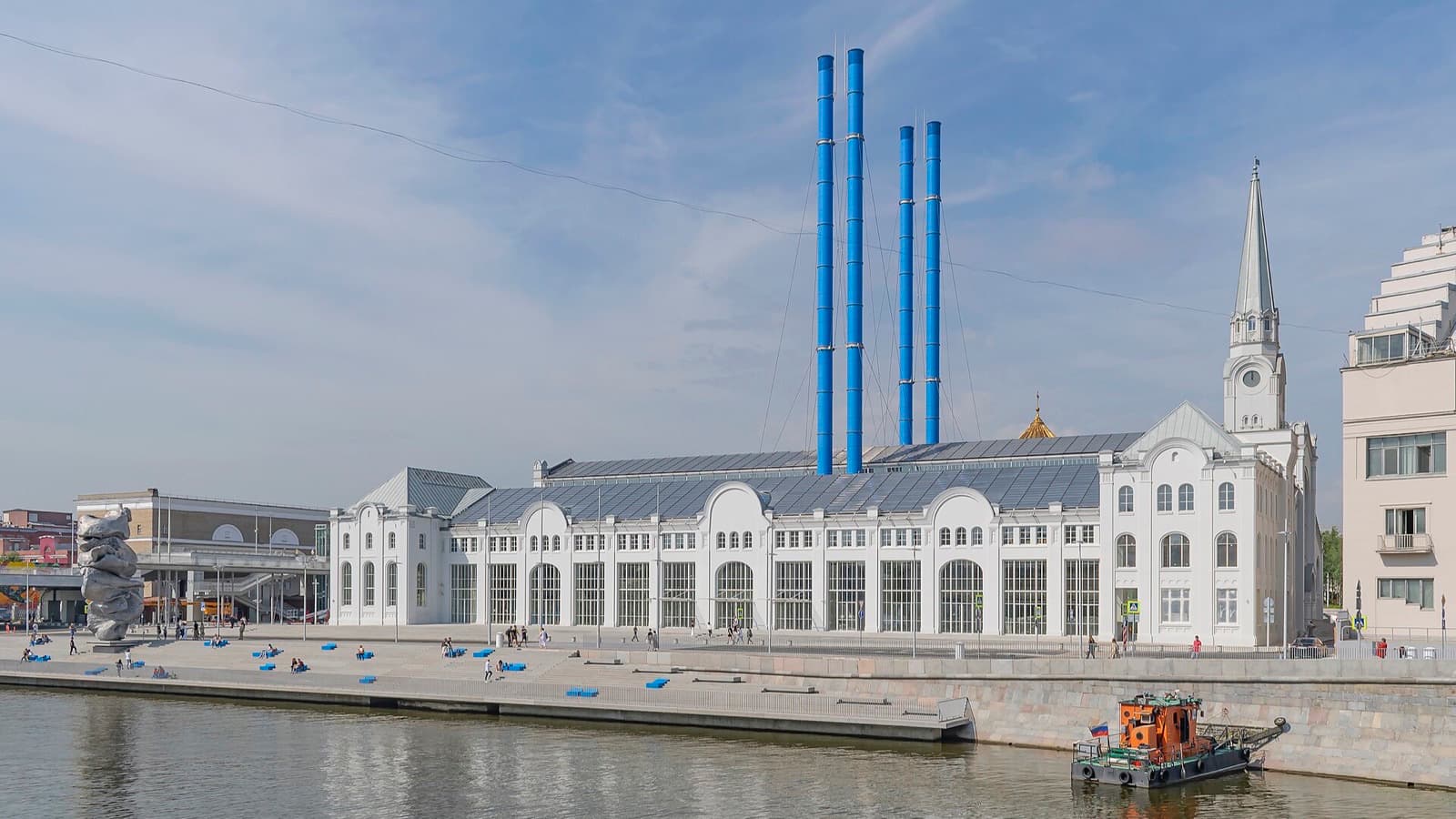
Former factories instead of museums. GES-2, Artplay, Vinzavod—another Moscow, where there are almost no tourists: modern Moscow.
How to Get Around and How Much It Costs
Transport. The metro is the fastest way to get around, with intervals of one to two minutes, and stations are everywhere in the center. A single ride is more expensive than using the "Troyka" card, so if you're making more than three or four trips, it makes sense to buy a "Troyka" right at the metro entrance. Payment by bank card or phone at the turnstile also works.
From the airport. All methods with prices and what to do upon nighttime arrival are covered in a separate guide "From Sheremetyevo to the city center". Briefly: the Aeroexpress to Belorussky Railway Station takes about 50 minutes, costing 650 ₽ if purchased online in advance and 700 ₽ on the day of travel. From Domodedovo and Vnukovo, there are separate Aeroexpress services to Pavletsky and Kyivsky Railway Stations. Taxis may take longer than the train during peak hours and cost significantly more; a transfer makes sense if you have luggage, children, or arrive at night.
How much money to budget. Accommodation is not included here—districts, prices, and what to check before booking are covered separately in the article «Where to Stay in Moscow». Without accommodation and travel, two days per person cost roughly the following: museums and the Kremlin—1,000-3,000 ₽, food—2,000-4,000 ₽, transport—500-800 ₽. Walking around the city center, Zaryadye Park, VDNKh, and other parks is free, and that's half of the great impressions.
Footwear. In two days on such a route, you'll walk about fifteen kilometers. This is the only advice people ignore and then regret.
What not to waste time on during your first visit
Ostankino Tower. Far away, tickets must be booked in advance, and the view isn't better than from Moscow City.
Arbat. A pedestrian street everyone knows—though it's just souvenirs and chain cafés. An hour, tops.
Trying to visit the Lenin Mausoleum "on the side." Short operating hours, long lines, security checks.
If you're traveling with children
The Kremlin and the Tretyakov Gallery are hard for children. A good alternative: Zaryadye Park with the Media Center, Moscow Oceanarium at VDNKh, Gorky Park, and the Museum of Cosmonautics. In this case, the first day's route is shortened to Red Square and Zaryadye Park—and that's enough.
If it's raining
Swap the days around: museums on rainy days, walks on sunny ones. Indoors: Tretyakov Gallery, Pushkin Museum, GUM, Cosmonautics Museum, Depot on Lesnaya with a food court.
Frequently Asked Questions
The best months are May-June and September: warm, sunny, and fewer tourists than in July. Winter is beautiful, but the days are short, and you'll have to shorten your route.
Is two days enough for Moscow?
For the essentials—yes. For all of Moscow—no. Two days are enough to see the Kremlin, Red Square, the city center, and one major museum. Everything else will have to wait for next time.
Do you need to buy tickets in advance?
Yes, definitely for the Kremlin and the Armoury Chamber. For the Tretyakov Gallery and the Pushkin Museum on weekends, it's also better to book ahead.