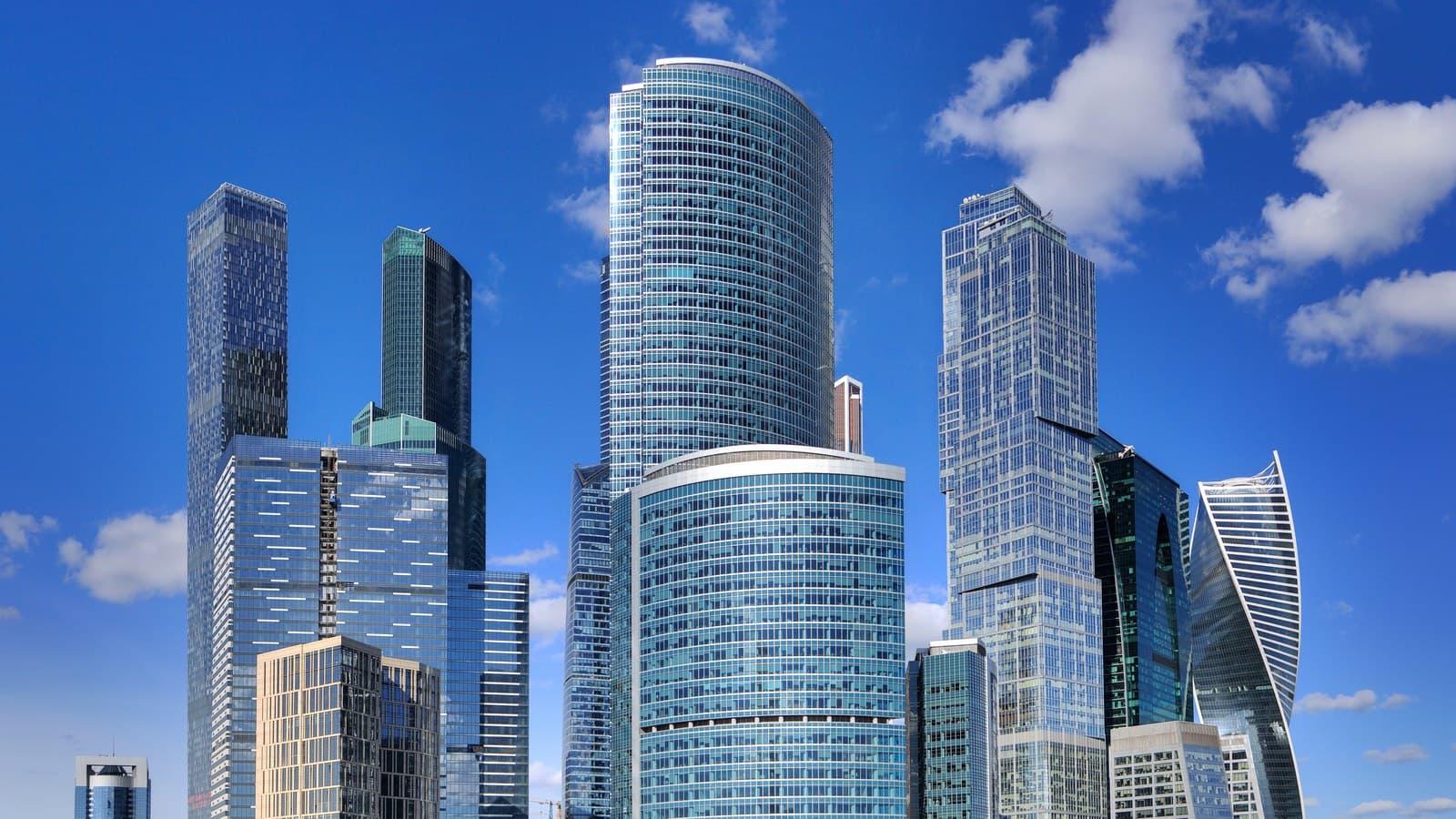
Three days in Moscow isn't just "two days plus a few more sights." It's a different kind of trip: on the third day, you can finally venture beyond the center instead of just running around it in circles.
The main mistake on a three-day trip is trying to cram twice as many museums into it. By the evening of the second day, your attention runs out, and the third day turns into politely walking past exhibits.
So the logic is: the first two days are the center, the third day is a change of scale.
First two days: brief
They are set up the same way as for a regular two-day trip, and are detailed separately — with prices, opening hours, and what not to waste time on: Moscow in 2 Days Itinerary.
In short:
Day 1 - Red Square, Kremlin, Zaryadye, Kitay-gorod, in the evening the boulevards or Patriarch's Ponds.
Day 2 — one big museum (Tretyakov Gallery or Pushkin Museum), Gorky Park, and the embankment.
The only thing worth changing for three days: don't push yourself to the limit on the first two days. Since you have a buffer, it's better to go through the center more calmly and save your strength.
Day three: four options
Choose one. You don't need to combine them - that's the whole point of the third day.
VDNKh
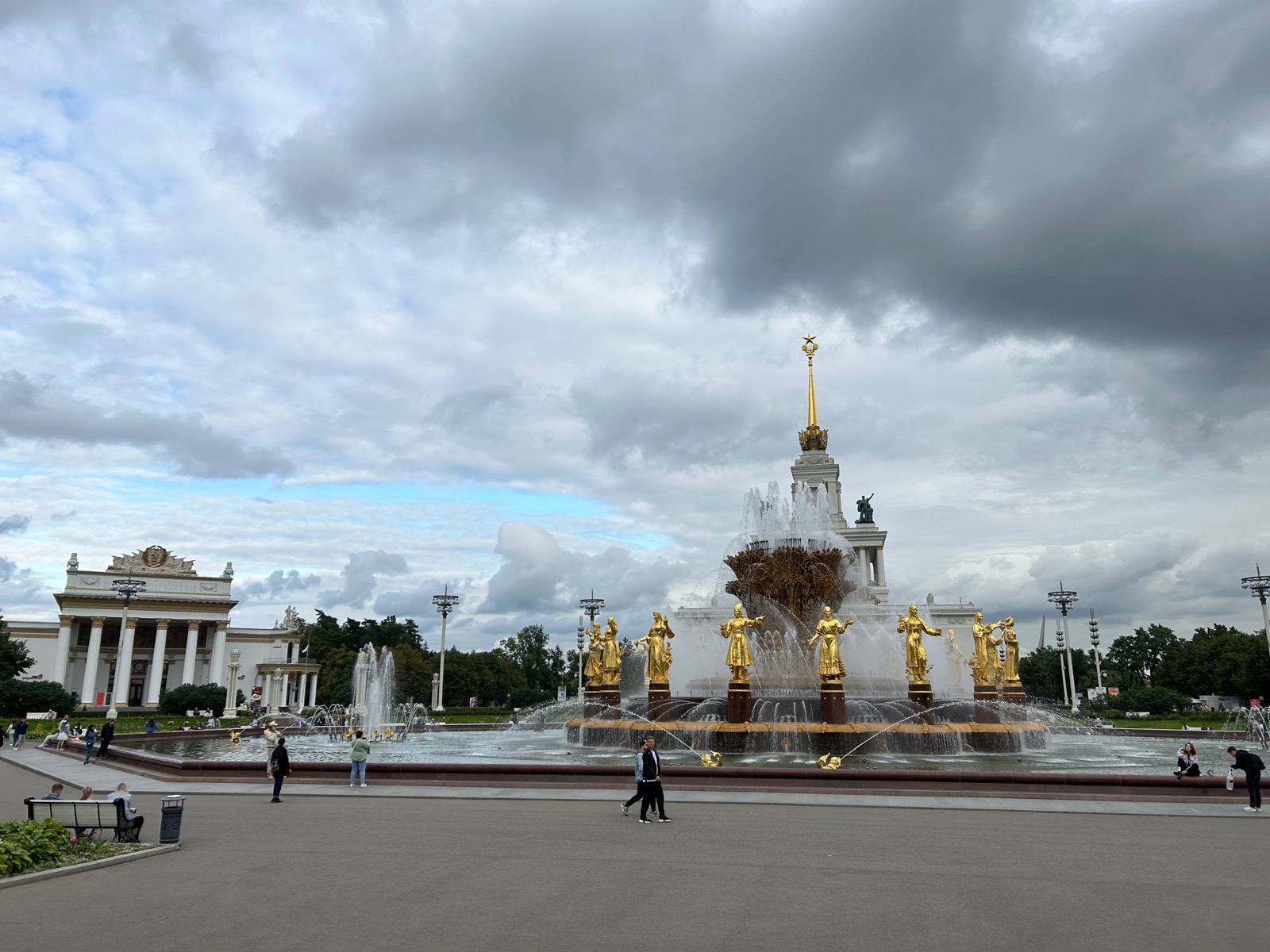
Another Moscow: Stalinist pavilions, fountains, space, a huge territory. The closest you can get to seeing the imperial scale of Soviet times without leaving the city.
The "Friendship of Peoples" fountain and the Central Pavilion are the most recognizable landmarks of VDNKh.
A detailed guide to VDNKh in one day, including prices and suggested routes.
To: first visit, interest in architecture, trip with children.
Option 2. Tsaritsyno or Kolomenskoye
Estate parks in the south of the city. Tsaritsyno - a palace complex and a light and music fountain, Kolomenskoye - a 16th-century church on the UNESCO list, a high riverbank, and apple orchards.
Entry to both parks is free. Which one to choose and how they differ — in a separate review. A third option in the same vein is Kuskovo with a regular French-style park and peacocks.
To those who are tired of the crowds and crave fresh air and greenery.
Option 3. Museum Day
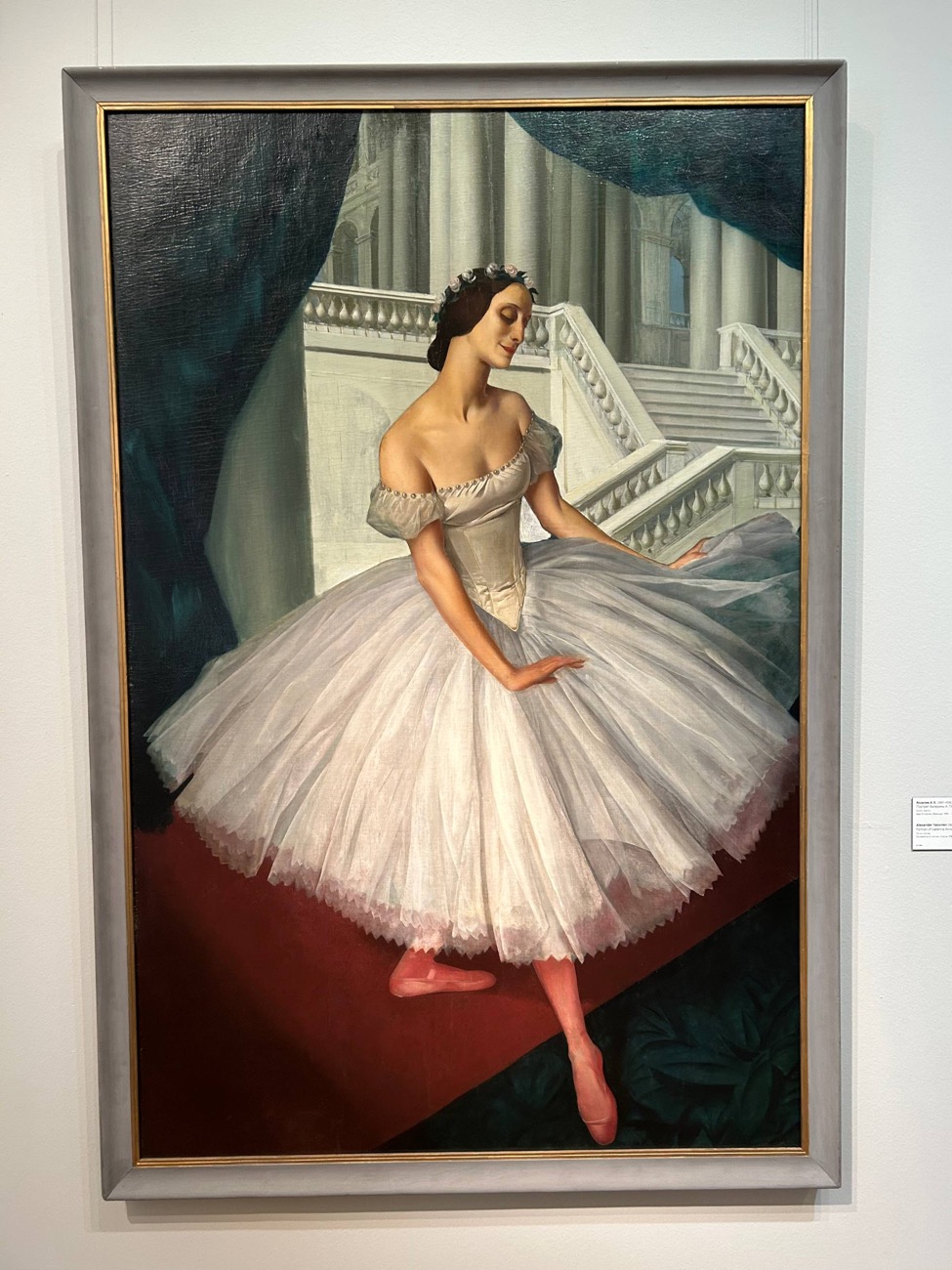
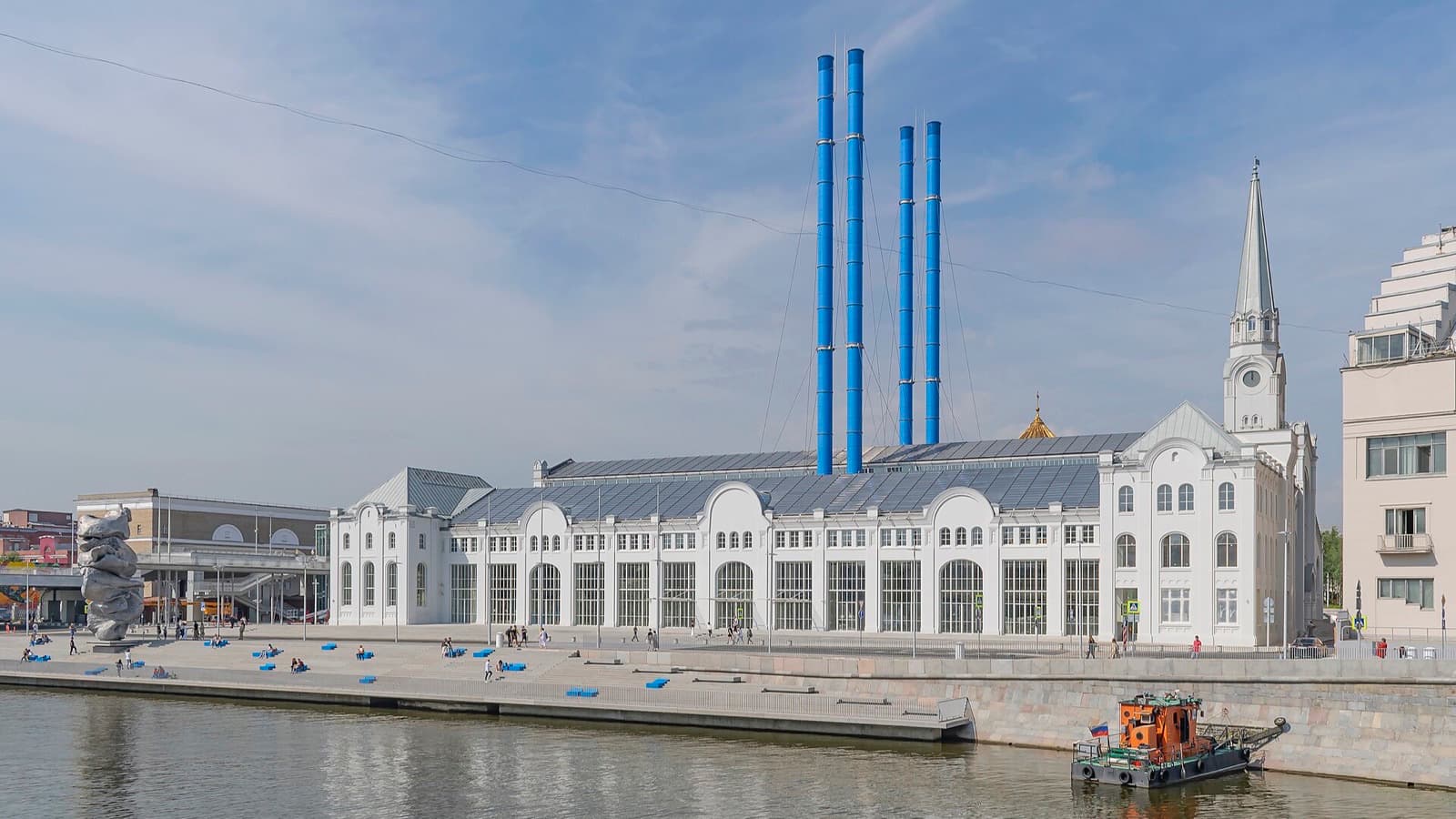
If the first two days were about streets, the third can be dedicated to museums that usually don't make it into short itineraries. A similar scenario is former factories and power plants turned into cultural spaces: modern Moscow. From museums: the New Tretyakov Gallery on Krymsky Val with 20th-century art, the Cosmonautics Museum near VDNKh, the Museum of Moscow, and private galleries in the center.
The New Tretyakov Gallery: Art of the 20th Century, often overlooked in short itineraries
For those visiting the city for the second or third time, when the must-see sights have already been covered.
at the Bank of Russia rate on 11.09.2026 · powered by tutkakdoma
Option 4. Trip outside the city
Sergiyev Posad, Kolomna, and Suzdal are popular day trips from Moscow. But honestly: it's a full day including travel time in both directions, and it only fits into a three-day trip instead of everything else, not as an addition.
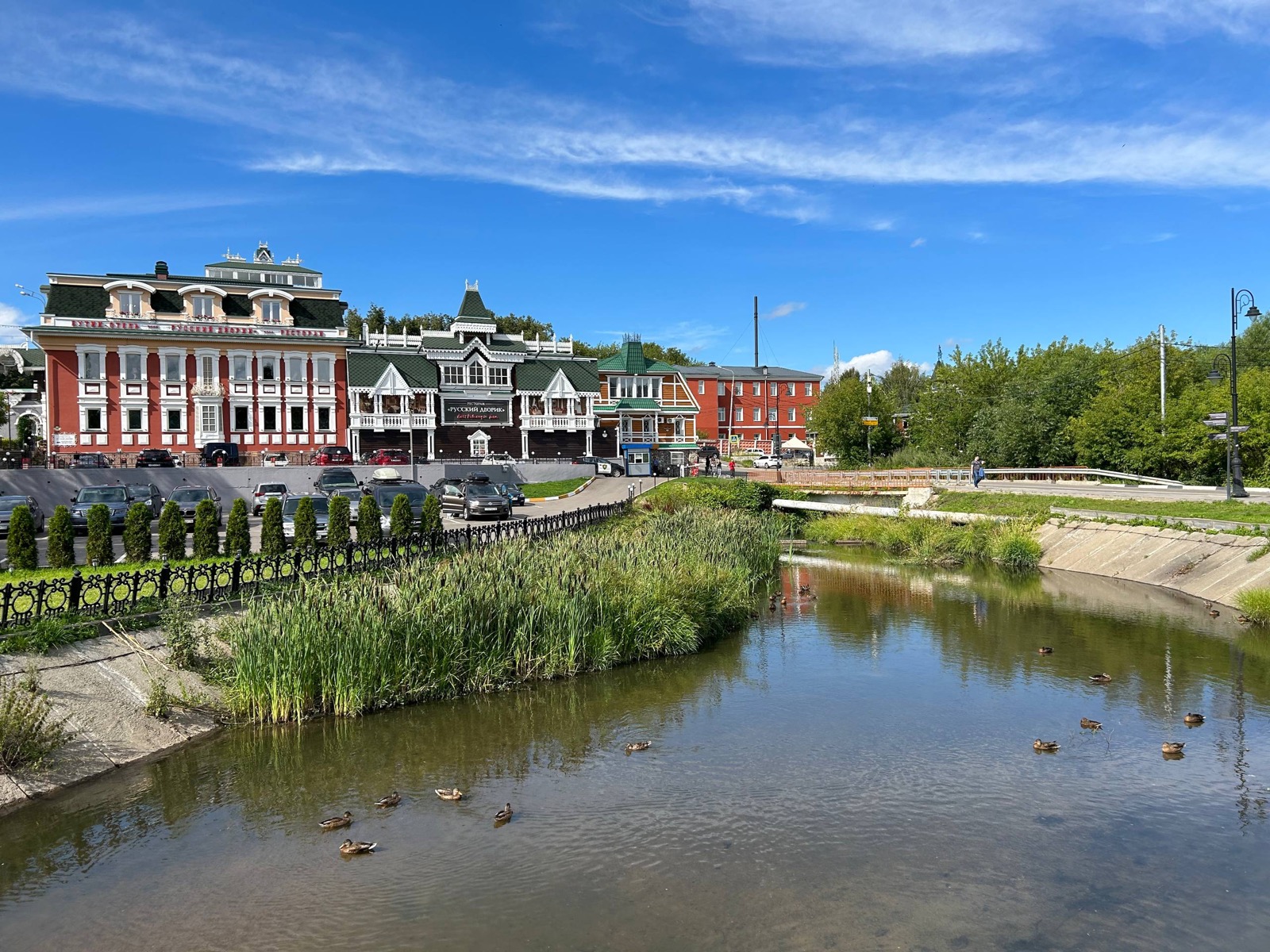
Sergiyev Posad is not just the Lavra: around it lies an ordinary provincial town with a pond, ducks, and merchant-era buildings.
Exception — Peredelkino: twenty minutes by train, and you're already in a pine forest. This is the only trip "out of town" that fits into your journey without any losses.
To whom: if you've already seen Moscow and came specifically for this.
How to allocate resources
A rule that saves your trip: don't schedule two heavy days in a row. The Kremlin and the State Hermitage Museum in one day is already a lot. The Kremlin on the first day and the Tretyakov Gallery on the second is fine. The Kremlin, Tretyakov Gallery, and VDNKh in a row—by the third day, you'll be looking at your phone instead of your surroundings.
The second rule: don't plan your evenings. Leave them for aimless walks—those are the ones that usually stick in your memory, not a list of sights.
How much should I budget for three days?
Without accommodation and travel to Moscow, per person:
Expense report
Порядок
Museums and the Kremlin
2 000-4 000 ₽
Еда
3 000-6 000 ₽
Public transportation in the city
700-1 200 ₽
Optional: observation decks, Ferris wheel, tours
1 500-4 000 ₽
The third day can cost almost nothing: parks, embankments, and the VDNKh area are free.
The daylight hours are short, so plan your outdoor activities for daylight hours and museums for the afternoon. On the third winter day, it makes more sense to dedicate it to museums rather than parks: while Tsaritsyno and Kolomenskoye are beautiful in the cold, you need to spend a lot of time there to make it worthwhile.
That's when winter brings something that's missing in summer: an ice rink at VDNKh right between the pavilions and a beautifully lit center that looks best in December than in any other month.
With children
The third day is best spent at VDNKh or Kolomenskoye—there's plenty of space to run around. Museums with kids don't work well, and a trip out of town is even worse—the journey eats up all their patience. For more details on what kids can handle and in what order, see Moscow with Kids.
Frequently Asked Questions
Three days in Moscow is enough for the city center and one additional area beyond it—yes. For the whole city—no, and it's not worth trying.
What to see on the third day?
VDNKh, Tsaritsyno, or Kolomenskoye, a museum day, or a trip outside the city. Choose one of the four, not all at once.
Is it worth going outside the city on the third day?
Only if you've already seen Moscow. Otherwise, leaving will take up a day that's better spent in the city itself.
How much does a three-day trip cost?
Without accommodation and transport, it's approximately 6,000-12,000 RUB per person, depending on how many museums you visit.