VDNKh is 325 hectares, which is larger than the Principality of Monaco. It's physically impossible to see everything in one day, and attempting to do so always ends the same way: by four o'clock, you're exhausted, you've only seen half of it, and you haven't really remembered anything.
Therefore, the route below is built around one key decision: what you want from VDNKh—architecture, space, or entertainment for the kids. These are three different days.
If you're in Moscow for the first time and have already spent your first day in the city center, VDNKh is a logical next stop: see the "Moscow in 2 Days" route. On a three-day trip, VDNKh is one of four options for the third day—see "Moscow in 3 Days".
Here's the concise version:
Key Points in Brief
- Entry to the area itself is free. Paid attractions include the pavilions, Moscow Oceanarium, Ferris wheel, and ice rink.
- Metro "VDNKh" — to the main entrance. Metro "Botanical Garden" — to the far part, if you're heading straight to the Moscowarium and the Ferris wheel: you'll save about two kilometers on foot.
- Allow 5-6 hours for a relaxed visit. With children, it will take less time, but with breaks.
- The area is vast and almost entirely without shade in the central part. This is noticeable in the summer.
Route: central axis
The most meaningful walk is along the main alley from the arch to the "Cosmos" pavilion. It's about a mile and a half in a straight line, and along it stands almost everything that people come here to see.
The arch of the main entrance is that very Stalinist beginning with columns. Beyond it, the perspective immediately opens up to the central pavilion with its spire.
The Friendship of Nations Fountain features sixteen gilded statues of girls, each representing one of the republics of the former USSR (sixteen, not fifteen—because the Karelian-Finnish SSR still existed at the time). After restoration, the fountain operates and is illuminated in the evening.
The "Stone Flower" Fountain is the second most famous, inspired by the tales of Pavel Bazhov.
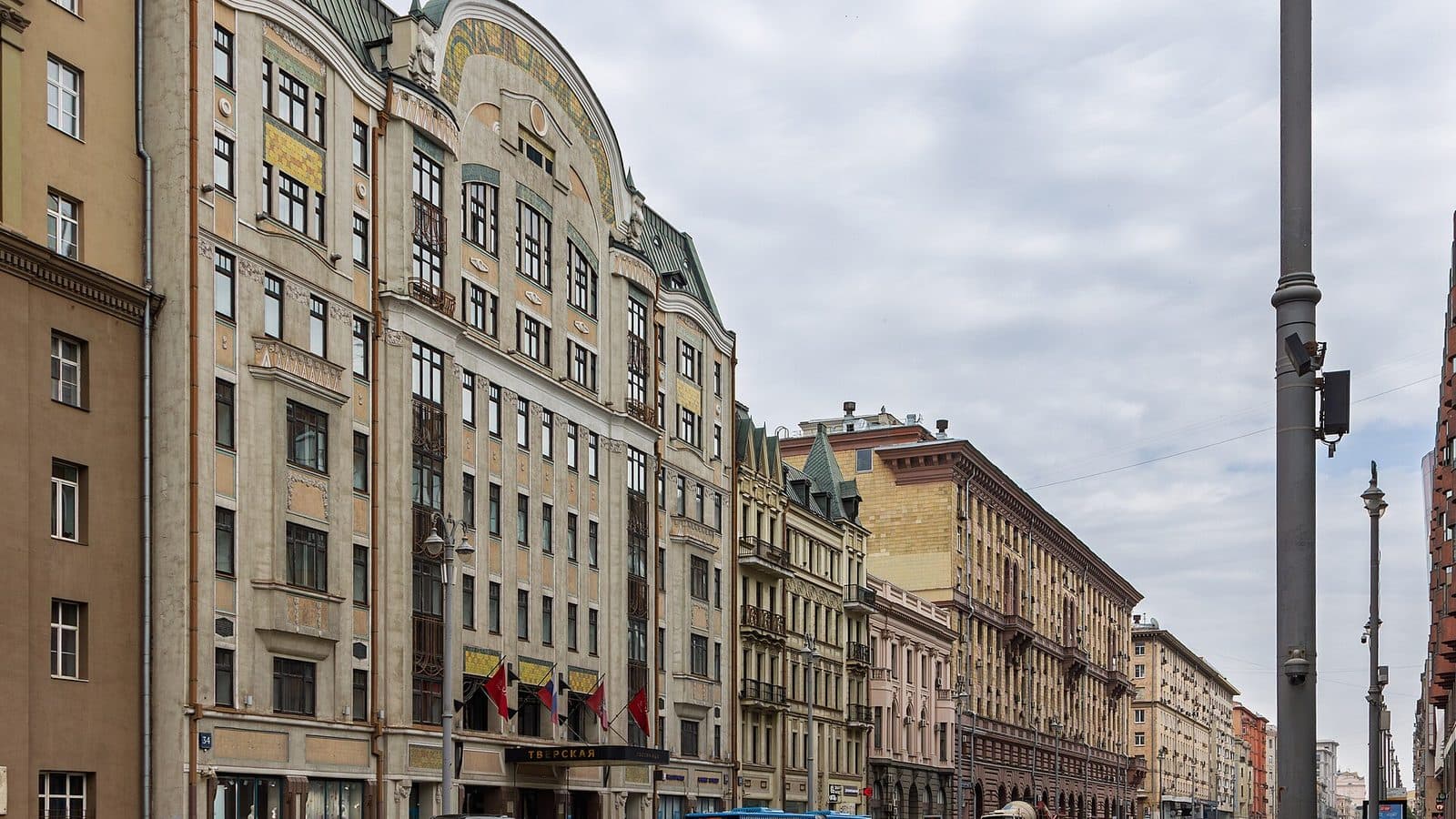
The pavilions along the alley. There are over forty of them, and they serve as an architectural textbook—from neoclassicism to modernism. You don't need to enter all of them—they're more interesting from the outside than inside, except for those that now house museums.
Which pavilions should be viewed from the outside?
Inside, it's worth visiting in small numbers, but the exterior of VDNKh is an open-air textbook of Soviet architecture, from parade neoclassicism to the modernism of the 1960s. What to look out for along the way:
The Central Pavilion. A three-tiered 1954 building with a golden star on its spire—this is the main focal point of the alley. It appears in all the photos alongside the fountain.
"Uzbekistan". The intricately carved wooden rotunda with its delicate columns is the most distinctive pavilion and the most photogenic up close. Take a closer look at the carvings.
The "Agriculture" pavilion (formerly the Ukraine pavilion). The most ornate on the exhibition: ceramics, majolica, stained glass, a wreath of wheat on the spire. From afar, it looks like a cake; up close, it resembles a piece of jewelry.
"Armenia." Clad in pink tuff—this stone is instantly recognizable and completely transforms the building's mood against its neighbors.
"Kazakhstan". The dome, inspired by the shanyrak—the crown of a yurt. The building has been restored, and from the outside, it is one of the most striking structures in the far part of the alley.
Modernism of the 1960s. Closer to "Cosmos" and further along the grounds, you encounter buildings from a completely different era—glass, concrete, wide cantilevers. The contrast with the ceremonial pavilions is stark, and it best illustrates how the country was changing.
What is really worth visiting inside
The "Cosmonautics and Aviation" Center in the former "Cosmos" pavilion. This is the main highlight of VDNKh. A huge domed hall, real spacecraft, a model of an orbital station, spacesuits. Even if space doesn't interest you, visit just for the pavilion itself—the dome makes a stronger impression than the exhibits. One and a half to two hours.
A model of Moscow—a full-scale city in miniature, with day and night transitions and lighting for every building. It takes about twenty minutes, but it gives a better understanding of the city's geography than any map. Perfect for the first day of your trip if you're visiting Moscow for the first time.
Moskvarium is an oceanarium, one of the largest in Europe. An adult ticket costs around 1,400 ₽, a child's ticket (ages 3-12) is about 900 ₽, and it operates from 10:00 to 22:00. These are separate two-hour sessions and separate payments: if the day is already packed, it's better to plan for another time.
Prices and opening hours may change—check the venues' websites before your trip.
The Ferris wheel "Sun of Moscow"
The tallest Ferris wheel in Europe—140 meters tall, taller than London's. It operates from 11:00 AM to 10:00 PM, with a full rotation taking about half an hour.
Tickets: standard around 1,800 ₽, child (4-13 years) — 1,400 ₽. The cabin with a transparent floor is more expensive: approximately 2,400 ₽ and 2,000 ₽. With a student ID from Monday to Thursday — around 650 ₽, and this is significantly cheaper than all other options.
It's worth it: the view is beautiful, but it's a view of northern Moscow, not the center. You won't see the Kremlin or the skyscrapers from there. If you want a true city panorama, observation decks in Moscow City or in the center will give you more for the same price.
What to watch for free

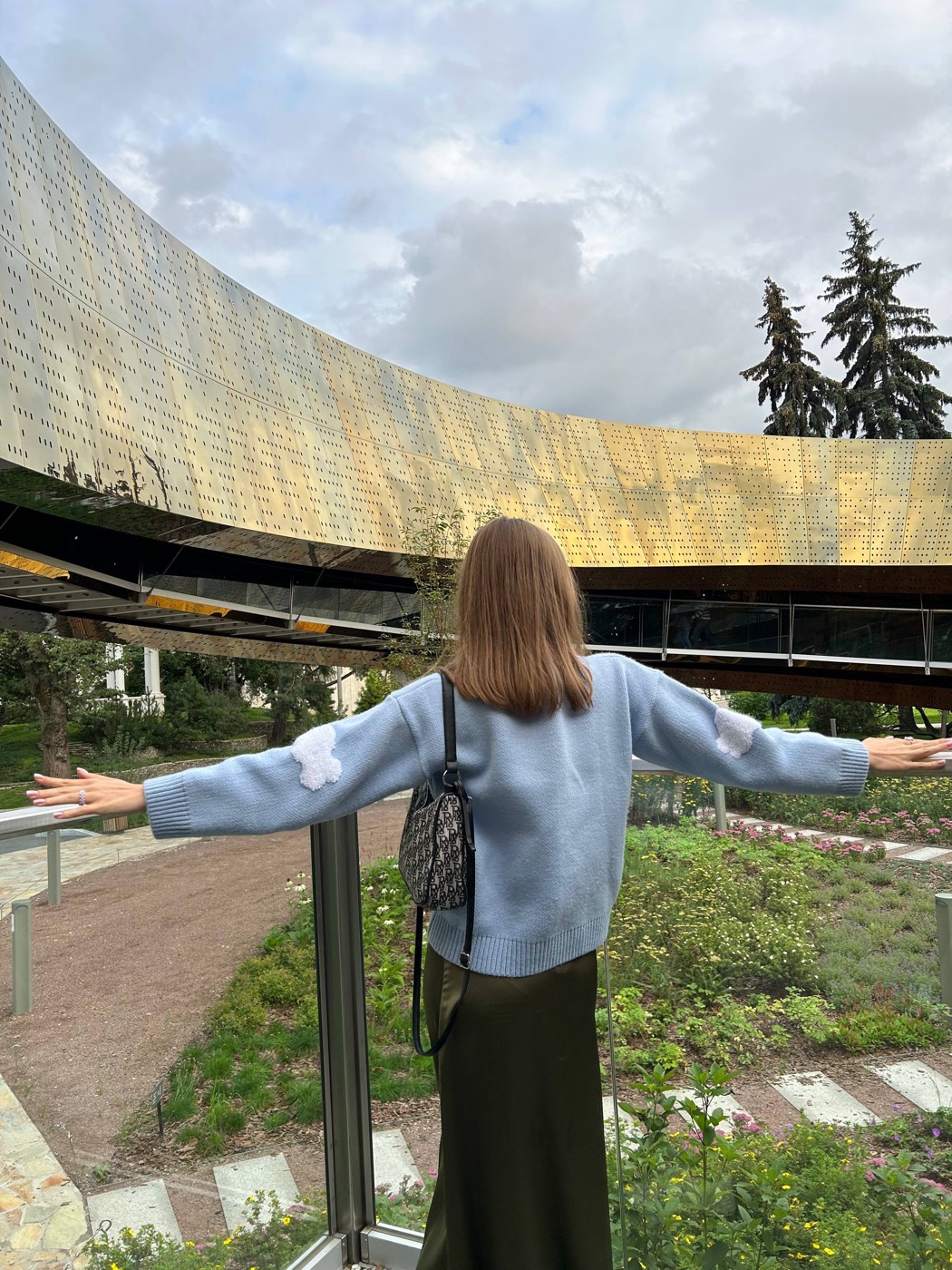
The Möbius Strip is a modern part of VDNKh, which attracts significantly fewer visitors than the fountains.
Half of VDNKh's value is worthless:
- the entire central alley with its pavilions and fountains
- The landscape park behind the "Cosmos" pavilion is a quiet area with ponds that few people reach.
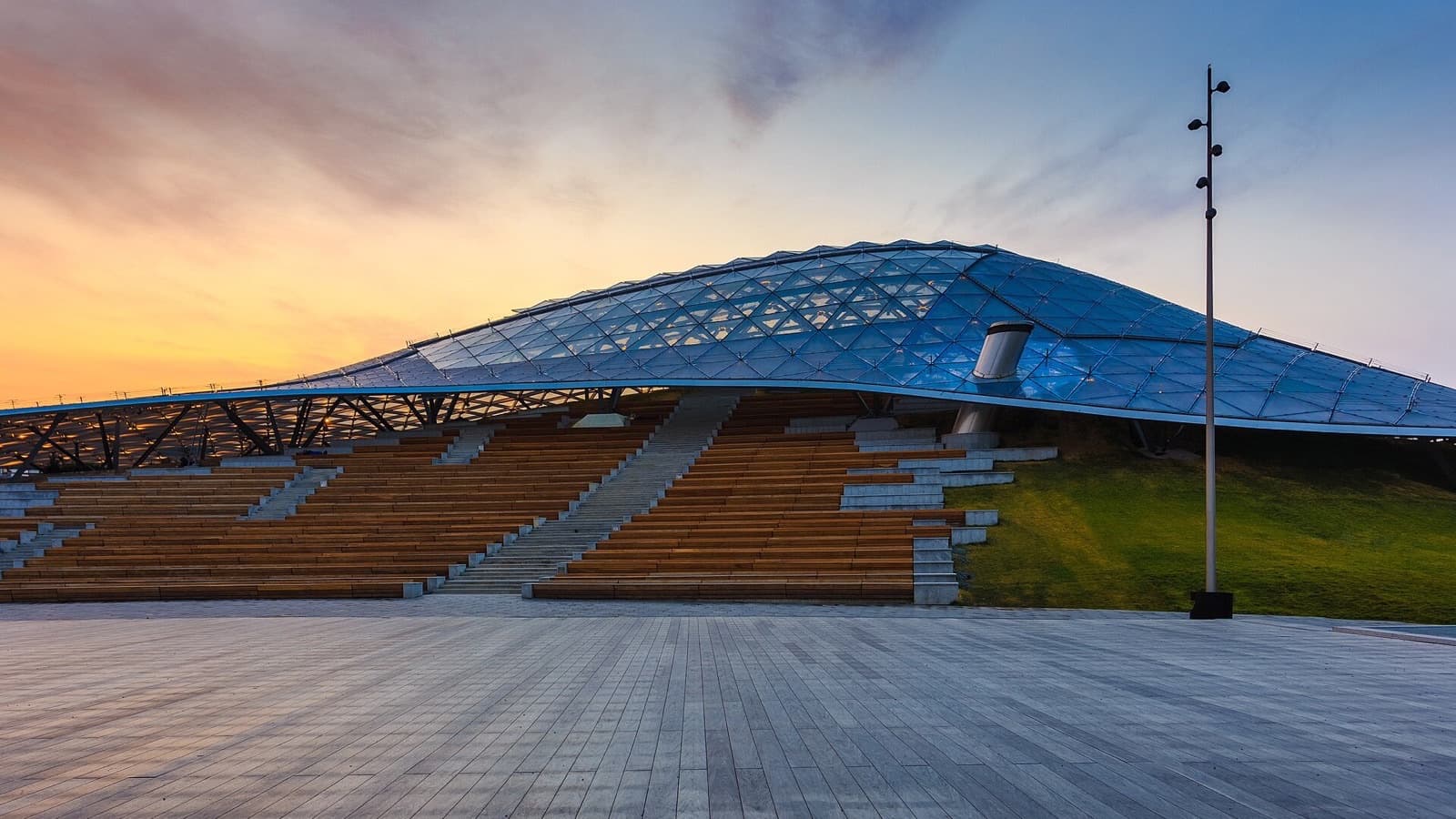
- The Green Theatre and its surroundings
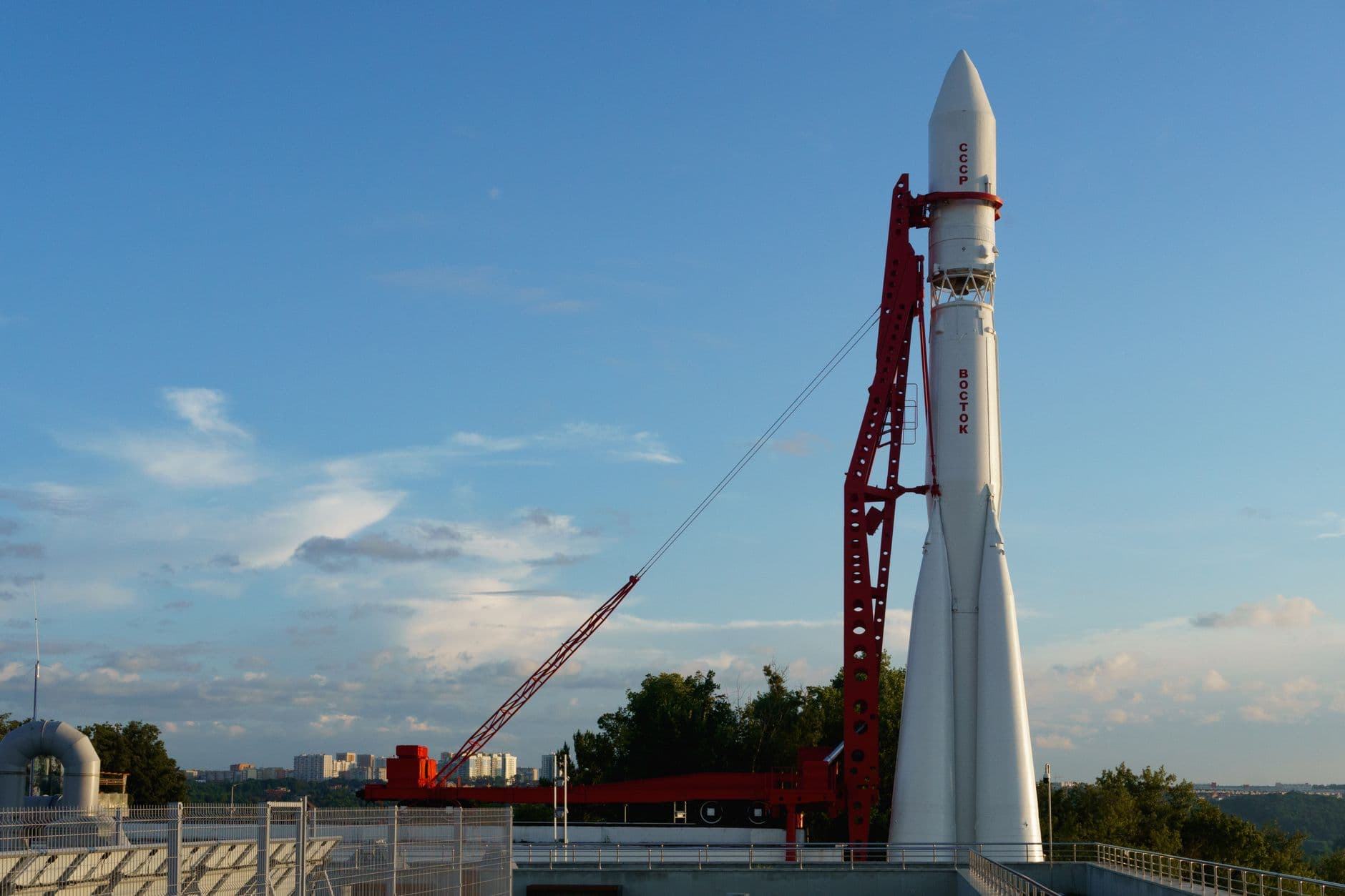
- The Vostok rocket and the An-22 aircraft under the open sky.
- The evening illumination of the fountains—this is the best time at VDNKh in the summer.
With children
Working route: Moscow Model (short and spectacular) → Moscow Oceanarium → Ferris wheel. The Space Pavilion is suitable for older children, but not for preschoolers. Other children's options in the city are in the article "Moscow with Kids".
In the summer, the area features "dry" splash pads and rentals—scooters, velomobiles, and electric cars. Rentals cost money but save your legs: the distances here are significant.
Зимой
From November to March, one of the largest ice rinks in Europe is flooded at VDNKh—right along the central alley between the pavilions, with lighting and music. It's a reason to visit in itself, and in winter, it overshadows everything else. Skates are available for rent.
How much does a day at VDNKh cost?
The main thing: you can visit for free. The grounds, fountains, outdoor pavilions, landscape park, and evening lighting cost nothing, and that alone makes for a full half-day stroll.
Here's the translation:
Next, it escalates, targeting individuals.
| Order of magnitude | |
|---|---|
| Entry to the premises | free |
| The Cosmonautics Pavilion (Cosmonautics, Model of Moscow) | around 500-1,000 rubles |
| Moscow Oceanarium | 1,400 RUB for adults, 900 RUB for children |
| Ferris wheel | $1,800, with a student discount on weekdays — 650 ₽ |
| Lunch on the premises | 500-1 200 ₽ |
| Rent a scooter or velomobile | From 500 RUB per hour |
Three typical scenarios: a walk without museums — 0-1,000 ₽ with food; a day with the Space Pavilion — around 2,000 ₽; a full day with kids, Moscow Oceanarium, and the Ferris wheel — 6,000-8,000 ₽ for two adults and one child.
Here's the practical takeaway: if your budget is tight, pay for the Space Pavilion, and skip the Ferris wheel and Moscow Oceanarium—they offer less bang for your buck.
Don't waste time on this.
- Enter each pavilion in order. Many of them are shopping areas or temporary exhibitions that have nothing to do with the architecture outside.
- Trying to combine VDNKh and the Botanical Garden in one day. The Botanical Garden is nearby and great, but it's still several kilometers on foot. Either one or the other.
- The Ostankino Tower is also visible from the area and appears close, but entry requires pre-purchased tickets and ID. Spontaneous visits won't work.
How to get there
Metro "VDNKh" (orange line) — exit to the main arch. Metro "Botanical Garden" — to the far side, closer to the Moscow Zoo and the Ferris wheel. There is the MCC station "Rostokino" — convenient if you're coming from the eastern part of the city.
From the center, it takes 25-35 minutes by metro. If you're staying for several days, the area along the orange line is one of the convenient options for accommodation, see the detailed breakdown of Moscow districts. By car, it's more complicated: parking is paid and fills up by noon on weekends.
Frequently Asked Questions
How much time do you need for VDNKh? For the central alley with the fountains—2 hours. With the space pavilion—4. If you add the Moscow Oceanarium and the Ferris wheel, it's a full day.
Is entry paid? No, entry to the area is free. You only need to pay for the pavilion-museums, Moscow Zoo, the Ferris wheel, and the ice rink.
The best time to visit is in the summer evenings to see the illuminated fountains. In winter, it's ideal for the ice rink. During the off-season, the area is empty and quite dreary.
Yes, dogs are allowed. The area is suitable for them, but they will not be permitted inside pavilions or on attractions.