The Tretyakov Gallery holds the definitive collection of Russian art, and most first-time visitors walk it in the wrong order — chronologically, from the icons, until the energy runs out somewhere around 1870.
Here are the paintings worth planning around, where they hang, and why each one stops people.
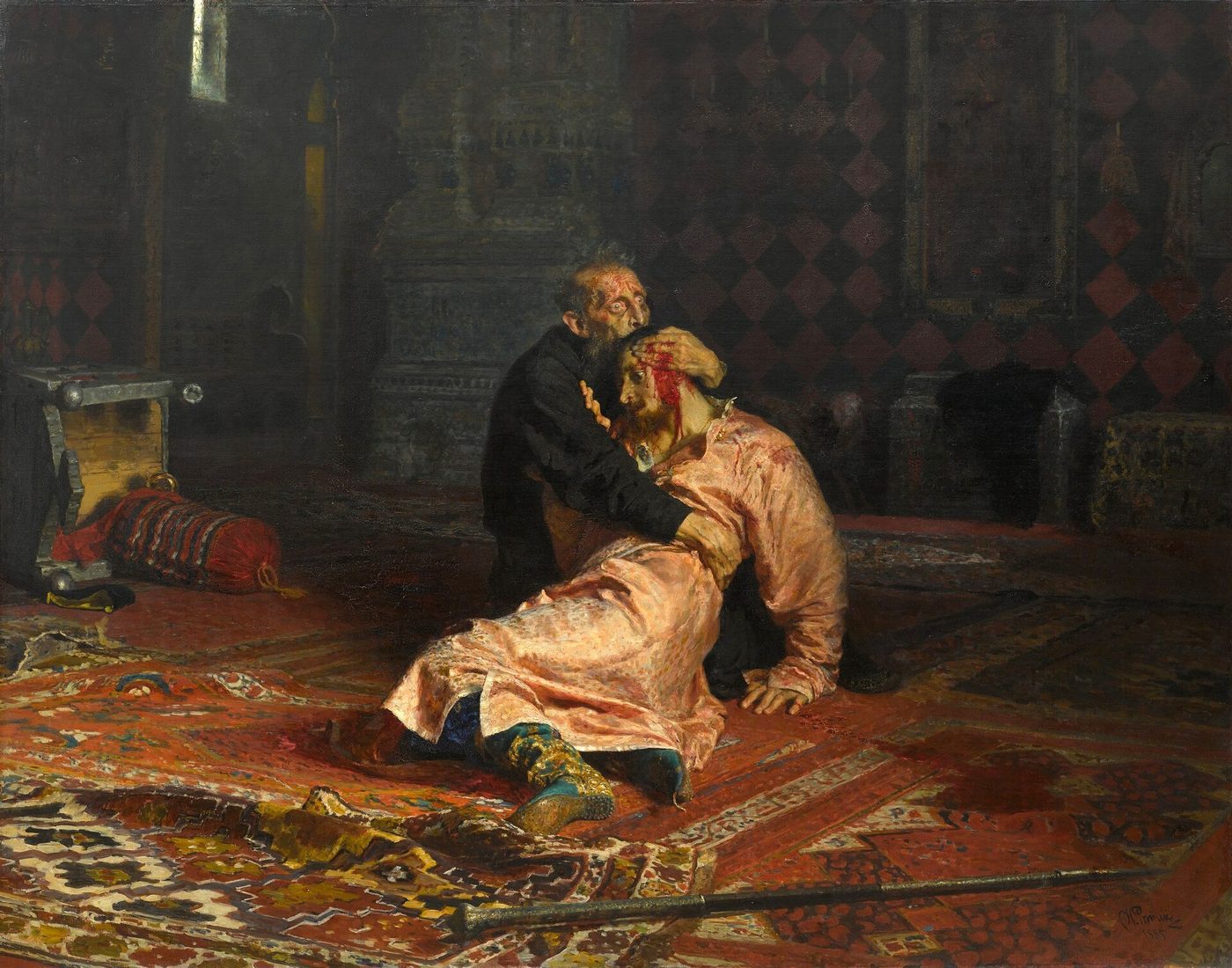
Ivan the Terrible and His Son Ivan — Ilya Repin
The most disturbing painting in Russian art, and the one visitors remember longest. A father who has just struck his son a fatal blow, holding him, understanding what he has done.
What makes it work is not the blood but the eyes. Repin painted a man realising something irreversible in the same instant the viewer does.
The canvas has been attacked twice — in 1913 and again in 2018 — and has undergone long restoration. It now hangs behind protective glazing.
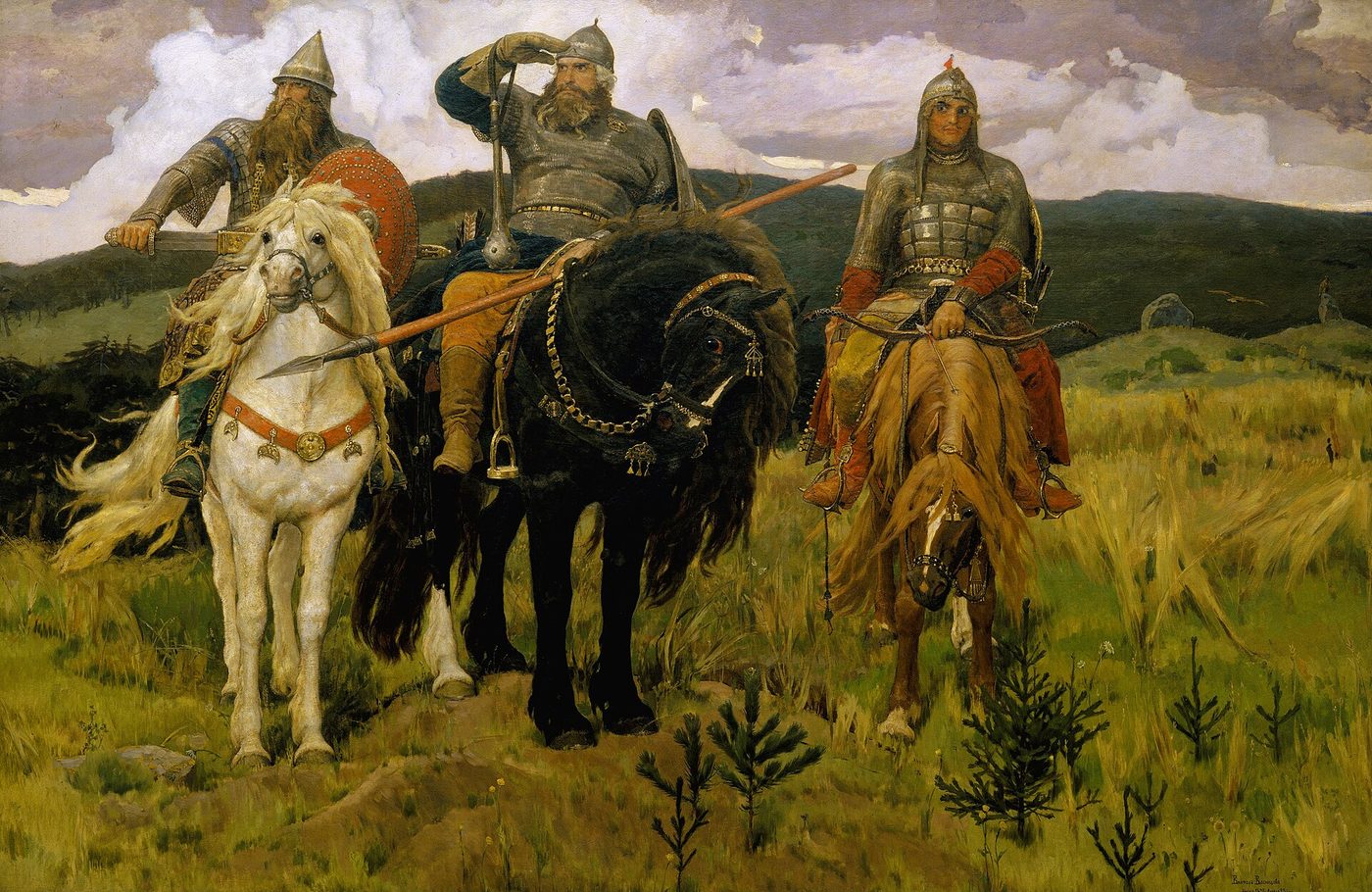
Bogatyrs — Viktor Vasnetsov
Three mounted warriors of Russian folk epic, scanning the horizon. Nearly three metres by four, and it needs that size: the point is the width of the landscape they are guarding.
Vasnetsov worked on it for twenty years. Stand back far enough to take in the whole horizon line — most people crowd it and lose the effect.
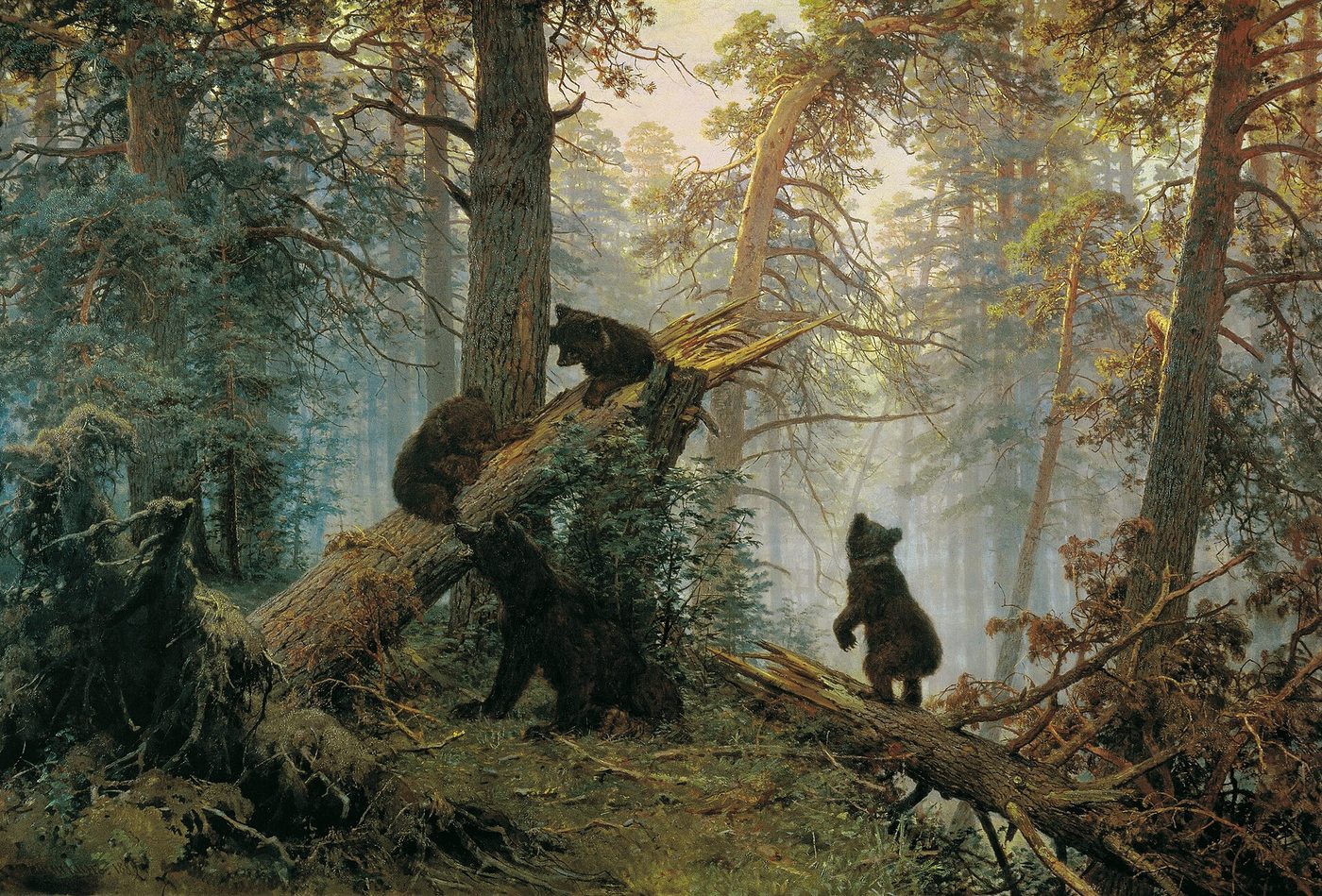
Morning in a Pine Forest — Ivan Shishkin
The bear cubs on the fallen pine. In Russia this image is on chocolate wrappers and has been for over a century, which makes seeing the original oddly moving.
A detail worth knowing: Shishkin painted the forest, and the bears were painted by Konstantin Savitsky. Savitsky signed it too, and the signature was later removed by the dealer.
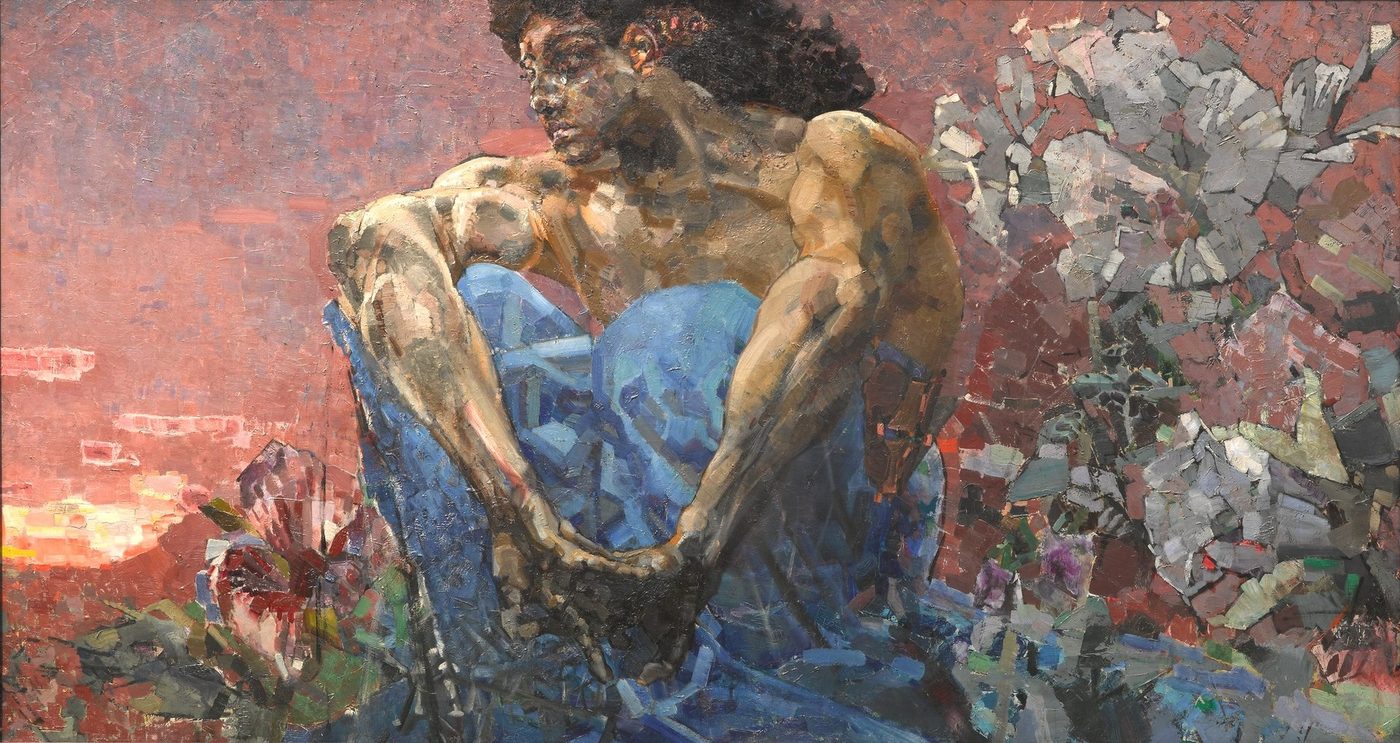
Demon Seated — Mikhail Vrubel
A figure with the body of a young man and an expression of enormous, contained despair, in a landscape of crystalline flowers.
Vrubel worked and reworked the Demon subject for years, and it consumed him. The paint is applied almost like mosaic, in facets. Get close enough to see the surface, then step back.
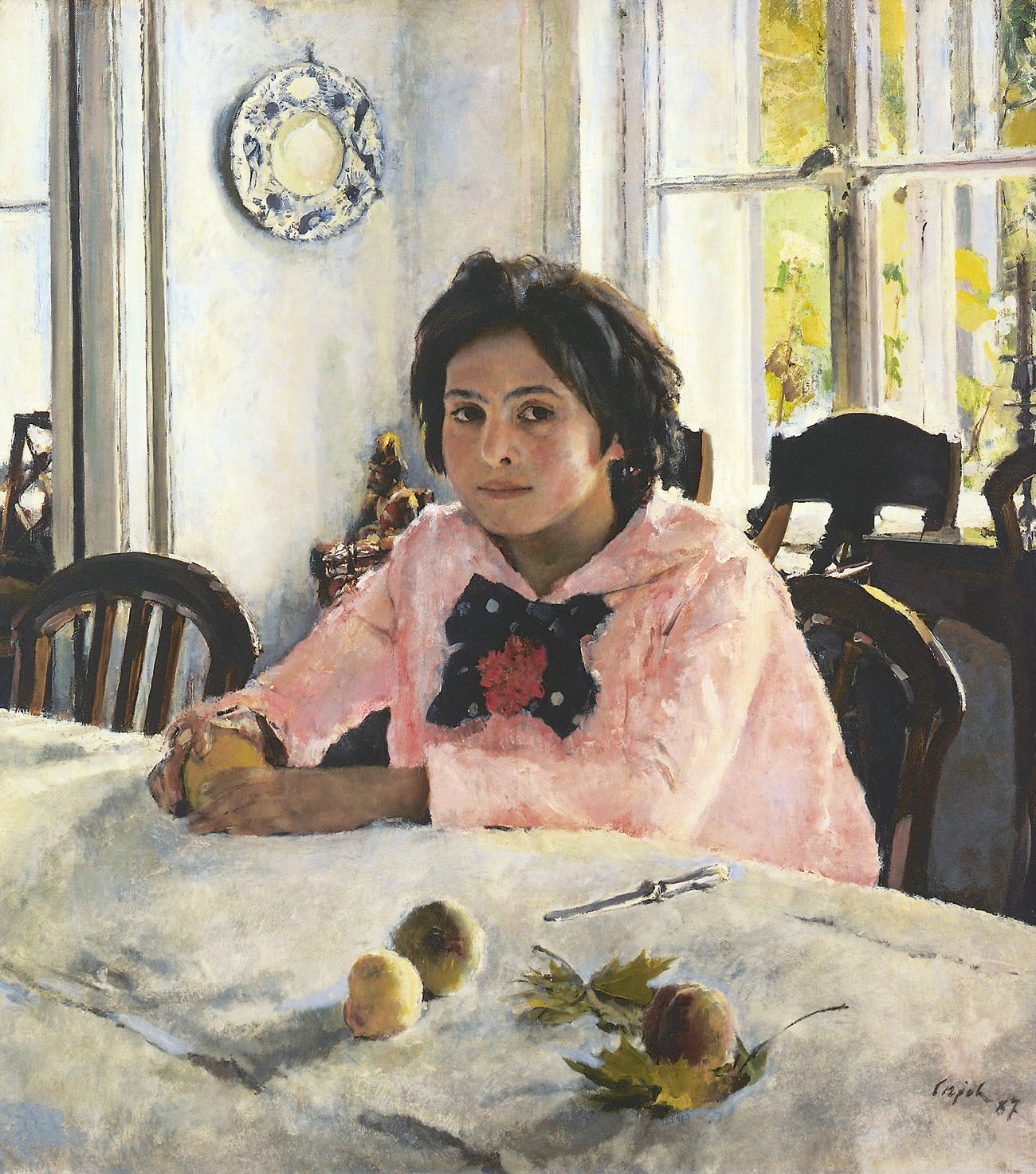
Girl with Peaches — Valentin Serov
Painted when Serov was twenty-two, in a room in Abramtsevo, over the course of a summer. The sitter is Vera Mamontova.
Everyone photographs this one. What the photographs miss is the light — the whole picture is about afternoon sun in a room, and the peaches are almost incidental.
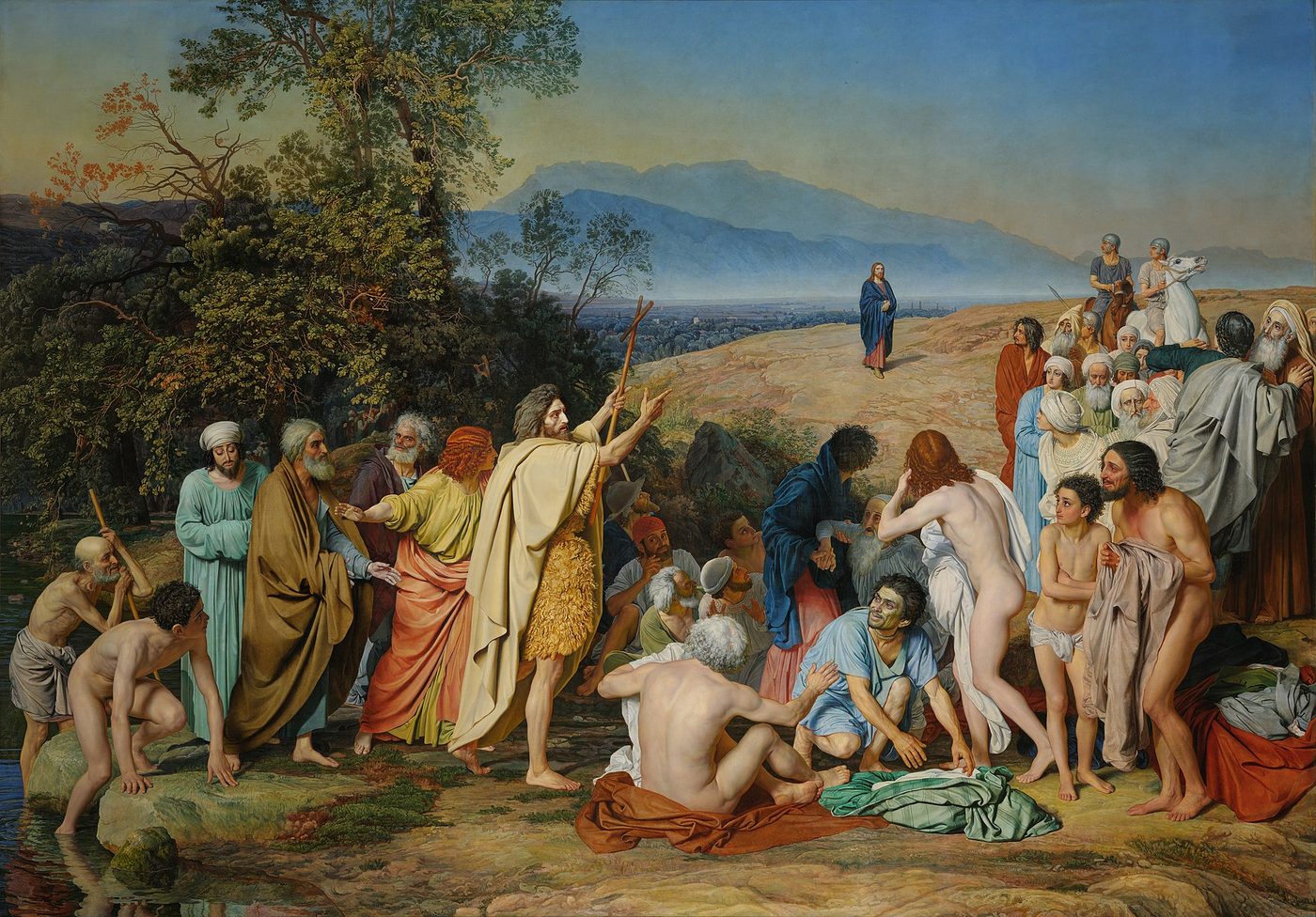
The Appearance of Christ Before the People — Alexander Ivanov
Twenty years of work and a canvas so large it has its own hall. Ivanov made hundreds of studies for it, and many hang alongside.
The studies are the reward here. Seeing a head or a hand worked out separately, then finding it in the finished composition, is a better hour than most guided tours.
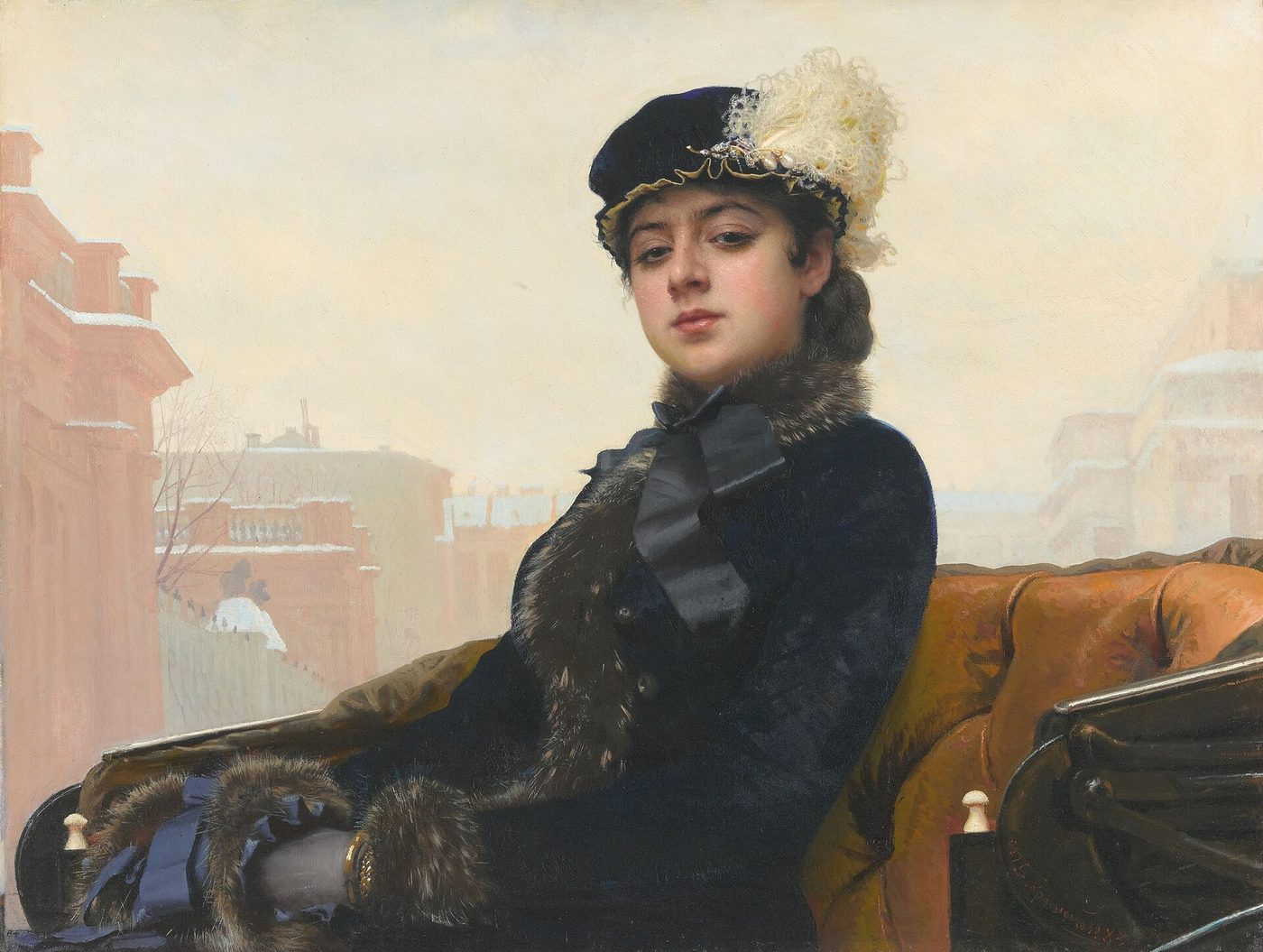
Portrait of an Unknown Woman — Ivan Kramskoy
A woman in a carriage on the Anichkov Bridge, looking down at the viewer with an expression that has been argued about since 1883. Nobody knows who she was, and the title has never been resolved.
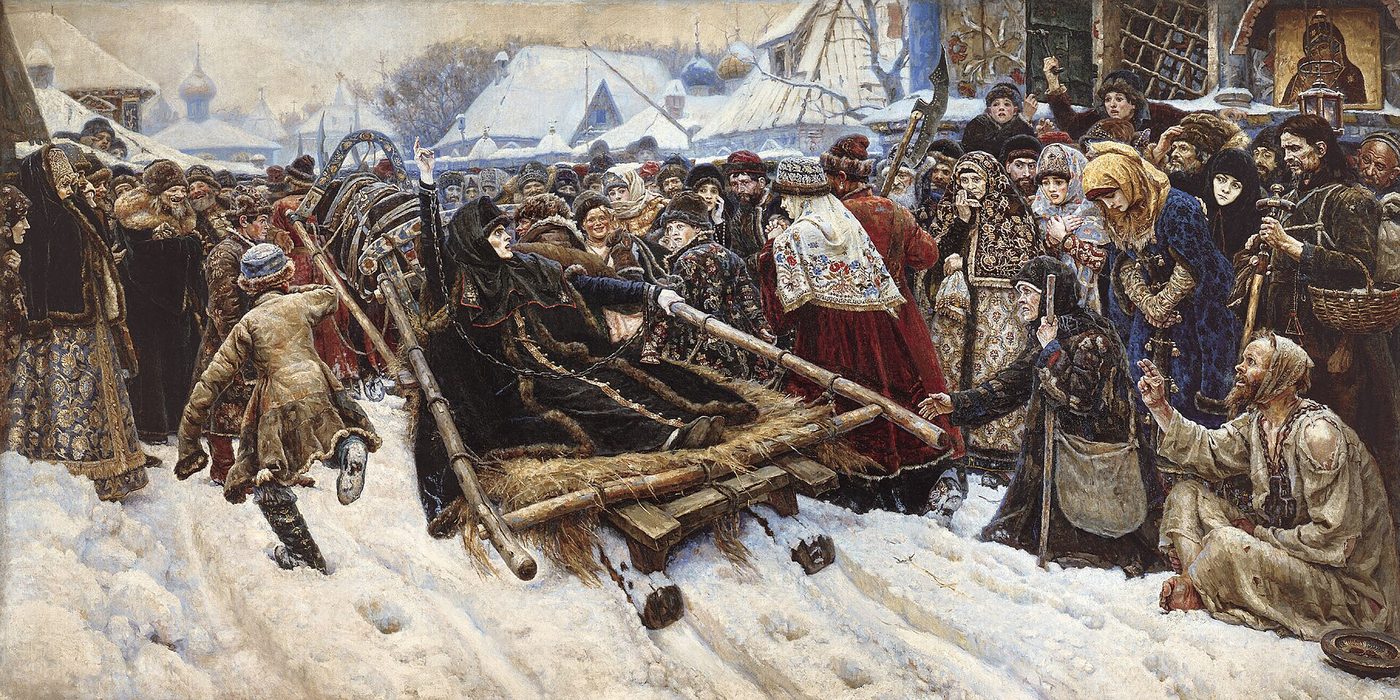
Boyarynya Morozova — Vasily Surikov
An enormous winter scene: a noblewoman being dragged through the snow on a sledge, arm raised in the two-fingered sign of the Old Believers, the crowd around her divided between mockery and grief.
Surikov built the crowd from hundreds of individual studies. Every face is a decision.
at the Bank of Russia rate on 19.09.2026 · powered by tutkakdoma
The other building: Krymsky Val
Everything above hangs at Lavrushinsky Lane. The twentieth century is in a different building altogether — the New Tretyakov on Krymsky Val, across the river beside Gorky Park. Same museum, separate ticket, and it holds the fullest permanent display of twentieth-century Russian art in the country.
Three works there justify the crossing on their own.
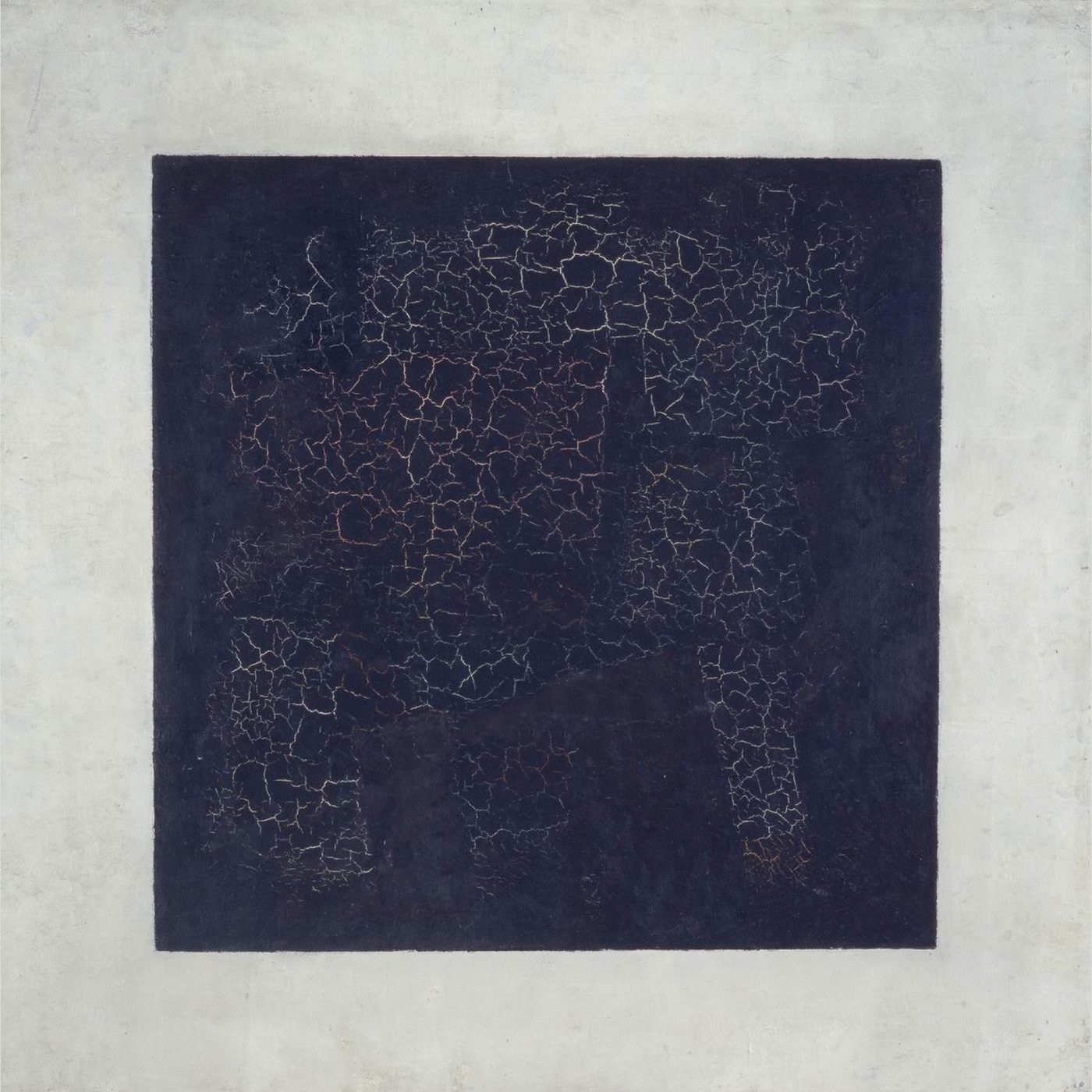
Black Square — Kazimir Malevich
Painted in 1915 and smaller than almost anyone expects: 79.5 centimetres square. The reputation is enormous and the object is modest, and that gap is most of the experience.
What matters is where Malevich first hung it. At the Petrograd exhibition in 1915 he placed it high across the corner of the room — the position a Russian household keeps for its icon. The placement was the argument, and everyone in that room understood it.
The surface has crazed over a century of ageing. Technical study at the gallery in 2015 found two earlier compositions underneath, painted over rather than scraped away. An inscription was read beneath the paint as well, though whether it is in Malevich's hand is disputed among specialists.
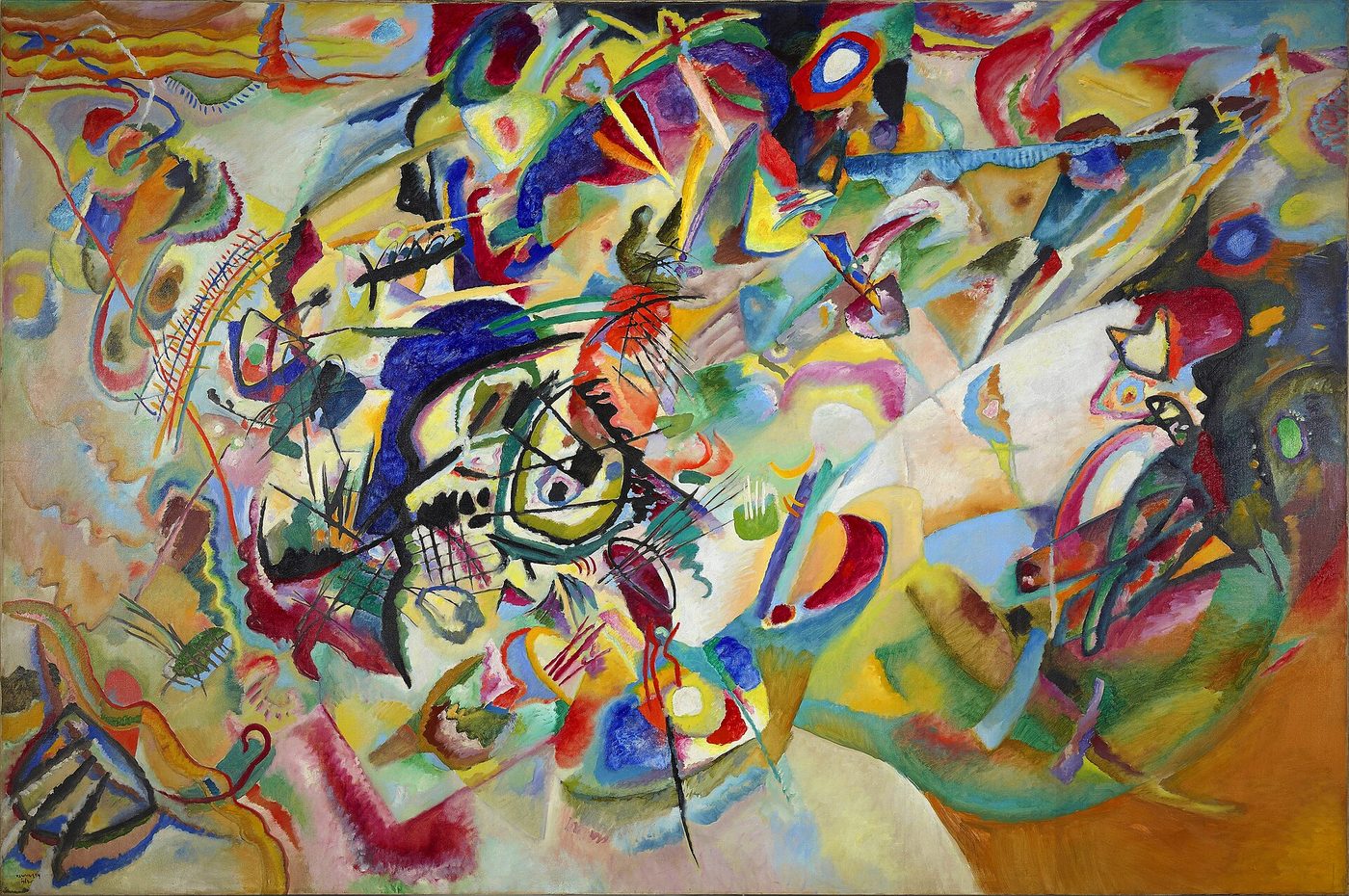
Composition VII — Wassily Kandinsky
Three metres wide, painted in 1913, and the most complicated thing Kandinsky attempted before the war. He worked the design out through more than thirty preparatory studies before touching the canvas.
Close up it reads as chaos. Walk back to the far wall and a spiral organises itself around the centre. No other painting in the building rewards stepping backwards this much, and the hall is wide enough to do it.
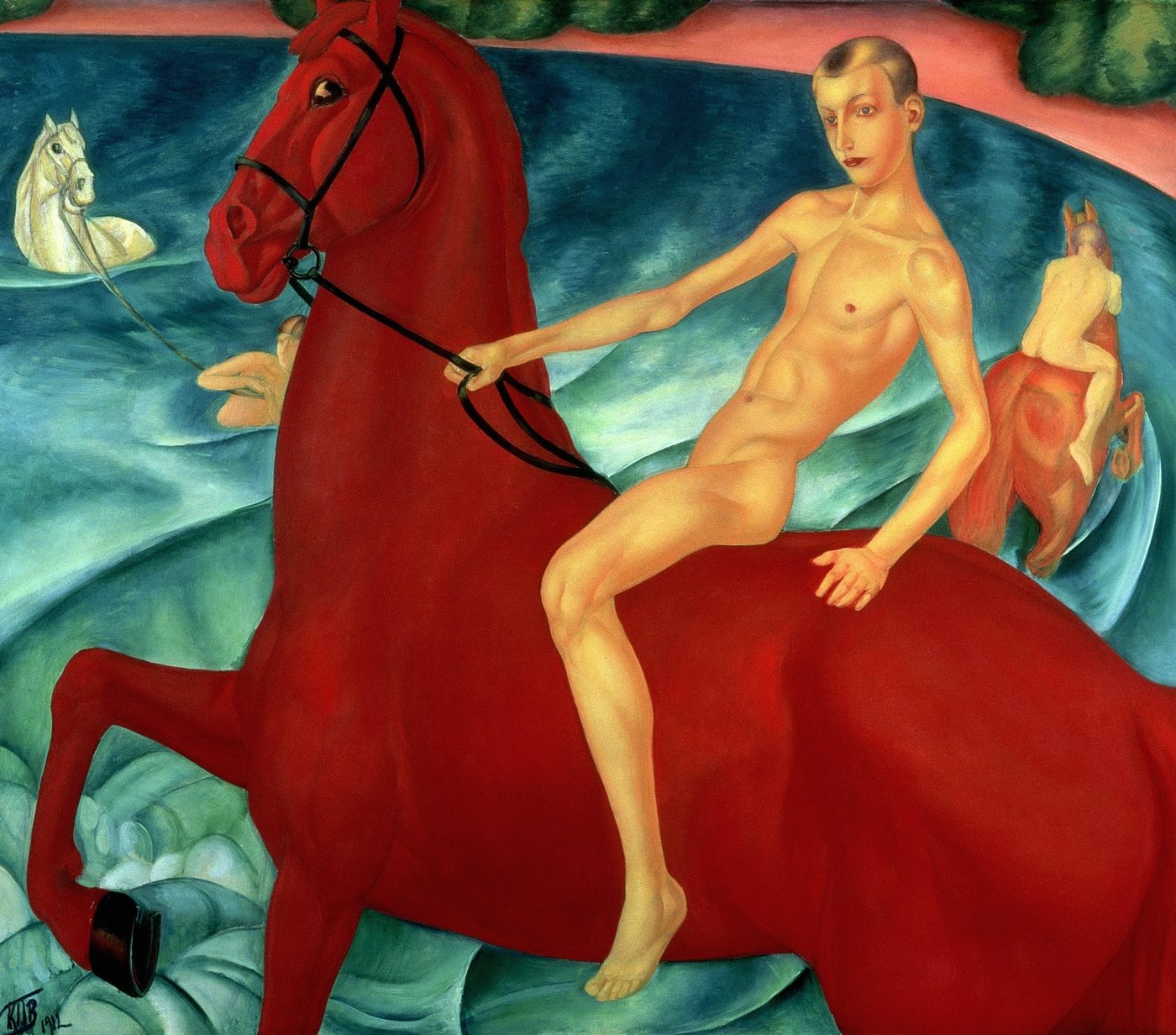
Bathing of a Red Horse — Kuzma Petrov-Vodkin
Painted in 1912: a red horse filling the canvas, a boy astride it who plainly does not control it, water tilting up behind them. Viewers read the horse as Russia almost at once. Two years later the war began, and the reading hardened into prophecy.
Petrov-Vodkin built his own system of perspective for pictures like this. The horizon curves and the ground falls away at the edges, as though you were standing on a sphere. Once you have noticed it, you cannot stop seeing it in the rest of his work.
Getting there
Krymsky Val 10. Metro «Oktyabrskaya» or «Park Kultury», then a walk along the embankment.
The Muzeon sculpture park is immediately outside and free to enter — the yard where Soviet monuments were brought after 1991, including the Dzerzhinsky that stood in front of the Lubyanka.
Practical notes
The collection is split between two buildings, and this matters more than anything else in planning.
Lavrushinsky Lane holds the historical collection — everything above is here. Metro «Tretyakovskaya».
Krymsky Val holds twentieth-century art: Malevich, Kandinsky, Soviet painting. A different building on the other side of the river, near Gorky Park.
⚠️ People book the wrong one constantly. If you want Repin, Vasnetsov and Shishkin, you want Lavrushinsky Lane.
Tickets are timed. Weekend afternoons are the worst hours; a weekday morning is a different museum entirely.
Individual works travel to exhibitions and go for restoration, and the icon collection in particular has seen items move in recent years. If you are coming for one specific painting, check that it is on display before you go.
How long to allow
Two hours covers the highlights without rushing. Half a day if you want the icon halls and the Ivanov studies as well.
There is a café inside, which matters — the building is large and there is no quick way out and back.
Frequently asked questions
Paintings reproduced from Wikimedia Commons; all are in the public domain.
Which building holds the famous paintings?
Lavrushinsky Lane. Krymsky Val is the twentieth-century collection.
How long does a visit take?
Two hours for the main works, half a day for a thorough visit.
Which metro station?
«Tretyakovskaya» for Lavrushinsky Lane; the Krymsky Val building is near «Oktyabrskaya».
Are tickets timed?
Yes, and weekend slots go first.
Can I photograph the paintings?
Generally yes without flash, but rules vary by hall and by temporary exhibition.