Check visa-free rules for your destination before booking flights, then confirm the first requirements on arrival and keep border documents ready, especially if your trip starts on friday.
Rules vary by country; visa-free entry often covers tourists and business stays, but the length differs and some travelers entering abroad may face extra checks.
To extract the critical details from official pages, proceed with these steps: extract the key points, then prepare the documents you must show at the border. If you need to request a form for visa-free entry, use the official site and avoid third-party sources. For contacting authorities, note the address and contact numbers; if you have an invite, attach the invite text and hold a printed copy of your itinerary.
Prepare proof of lodging, such as a hotel voucher or a rented apartment contract, since many locations require an address for your stay. Have your arrival details and flight number handy to show the border officer.
For cruise travellers arriving by ship, the same visa-free window applies at port calls; following the guidance for your stay, ensure passport validity and any required departure records are ready.
Visa-Free Entry and Russian Visa Options: A Practical Guide for Travelers, Students, Landlords, and Cruise Passengers
Check visa-free eligibility on the official consulate webpage and confirm you meet the limit for stays without a visa; after you verify, plan your route and prepare the required documents in advance. Have your passport ready, note the maximum hours allowed for border control, and carry a simple, inviting invitation or host address if the rules require it. The ministry updates current rules; always review the notes on the page before you travel.
For cruise passengers, visa-free entry is common for short-port visits, often up to 72 hours. Ensure your ship provides the official port-of-call invitation and that your passport has at least six months of validity. At the station or airport of arrival, you'll receive slips or stamps that confirm your stay; these slips should match your itinerary. If a ship itinerary changes, check the duplicate entries on your webpage or travel app and follow the next steps issued by border control.
Travelers seeking a longer stay or different purpose should review obtaining an e-visa or standard tourist visa. The current process requires submitting an application through the ministry's system or the consulate, sometimes via a dedicated webpage. In some cases, hosts or accommodation providers may issue an official invitation on letterhead; that document helps when you make contact with the consulate. Costs are shown in rubles, and single-entry visas are common for tourism, with multiple-entry options available in certain programs.
Students planning study in Russia must coordinate with the university and the ministry to verify if a visa-free arrangement exists for exchanges or temporary study. Start with the university's admission page and then obtain the proper invitation from the institution; that letterhead document can be crucial at the consulate. Obtaining a student visa typically requires an admission letter, a host address, and a valid passport. Check the current requirements, and share notes with the campus international office to avoid delays.
Landlords and accommodation play a practical role in visa documentation. If you need housing during a stay, secure a formal contract and keep duplicate copies of the rental agreement. Landlords can provide a housing receipt or invitation note, which may be required at the border or by the consulate. Some landlords also maintain a standard page with their contact information; keep that page handy in case border officers request contact details. If a host cannot supply official documents, consider shorter stays with verified accommodation options and retain all slips and receipts in rubles for later reference.
For travelers from Israel or communities with a Jewish background, verify whether any special notes apply to your nationality; the ministry updates current guidance periodically, and border practices can vary by port. Always carry a concise explanation of your plans and any invitations, and be prepared for additional checks at the border.
Quick action checklist: verify eligibility on the consulate page, gather required documents, obtain a valid invitation on letterhead if needed, review the webpage notes for your nationality, ensure your path matches your trip type (cruise, study, or residence), and bring all documents in a single, organized bundle to the station. If something seems impossible to proceed, contact the consulate directly for guidance and request a formal determination in writing.
These steps help you avoid last-minute hurdles, align with current rules, and keep your notes consistent across every stage of travel. By planning ahead and using the official channels, you reduce risk and make border processes smoother for you and your hosts.
Comprehensive Overview of Visa-Free Entry, Tourist, Business, Student, and Transit Visas for Russia
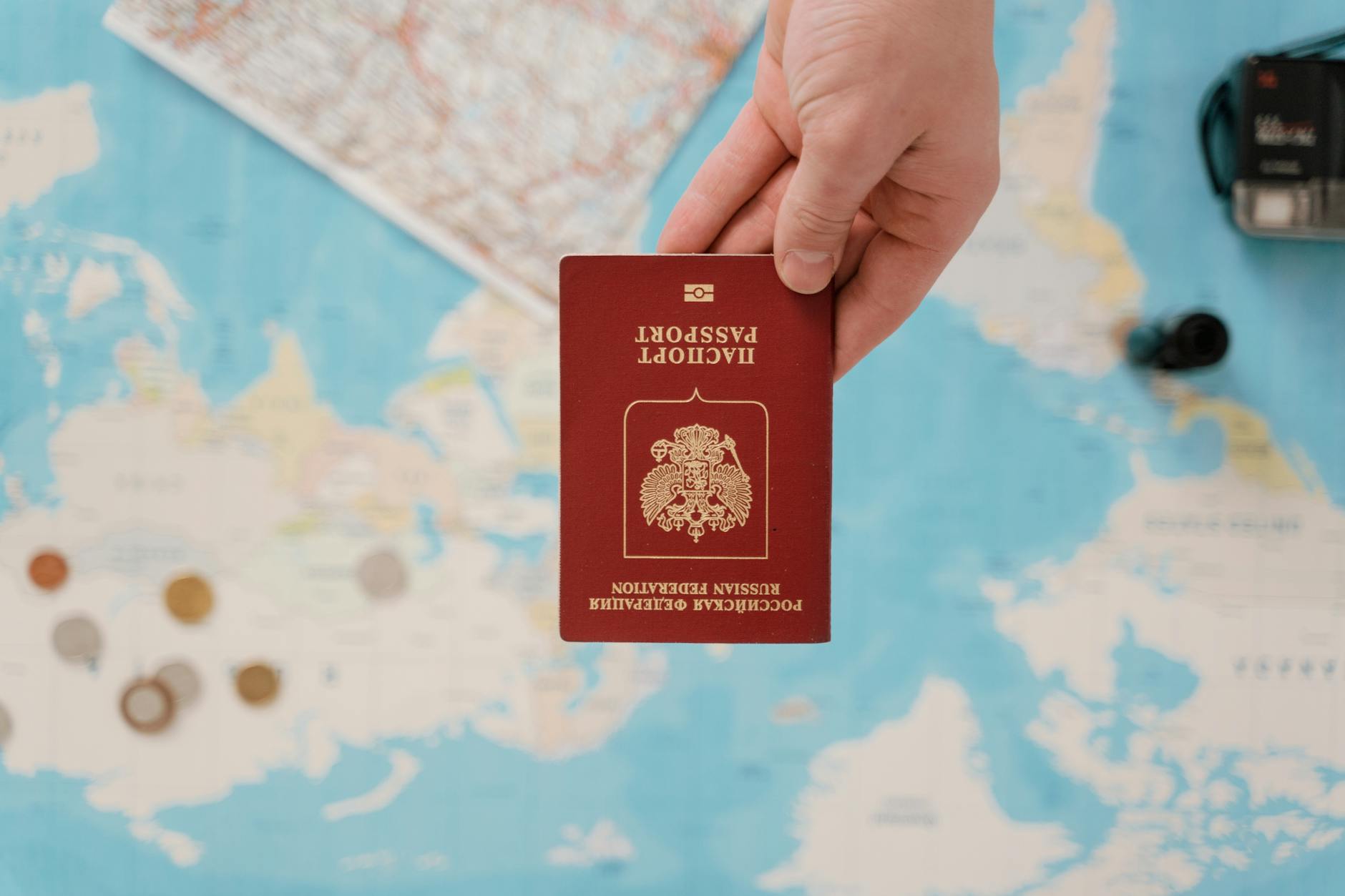
Recommendation: verify eligibility on the official ministry site before booking tickets and plan your stay within the allowed days. Carry travel insurance that meets border requirements, keep your passport valid for at least six months, and retain copies of all documents. If you are not eligible for visa-free entry, use the following steps to submit the right forms through the consular office for the appropriate visa type.
The following main categories define entry options for Russia: visa-free entry, tourist visas, business visas, student visas, and transit visas. Visa-free entry applies to nationals of select states for short visits tied to tourism, business, or transit purposes, with rules published by the ministry. When you arrive, you may need to provide insurance and proof of onward or return travel. If you stay longer than allowed or if an entry is not confirmed, deportation risk exists and border officers may request documents and review your eligibility. Citizens of bosnia and herzegovina should verify the specifics, as national rules can differ from neighboring states, and consult the consular office for exact details if your situation changes. You can find the official list and requirements on the ministry site, and you should submit any requested documents promptly through the designated office to avoid delays. The main objective is to stay within permitted purposes and comply with the rules to prevent any longer risk or complications. Apart from visas, ensure you have evidence of accommodation and funds, which the authorities may provide or request during entry.
Tourist visas require a formal invitation or hotel confirmation and a complete set of documents. The following items are commonly requested: passport, photos, completed forms, travel itinerary, proof of accommodation, and medical insurance. Some nationalities may apply for an e-visa or a regional program with streamlined processing; the program provides a faster path to entry, but you should confirm the path you will use with the office. When preparing the package, extract data from the forms carefully to avoid errors. Processing times can vary by country, so submit well in advance and keep track of any added requirements for your purposes.
Business visas demand a valid invitation from a Russian company or partner and a complete set of documents. You must submit these to the consular office, along with passport copies, photos, and proof of funds. Multiple-entry options exist for longer programs of work, negotiations, or contracts, and the duration depends on the invitation and purpose. Be ready to provide evidence of the business relationship and a clear itinerary. The office may request a sponsor letter and proof of accommodation; ensure all documents are accurate and complete to avoid delays. If any item is missing, processing may take longer or become impossible.
Student visas require an enrollment invitation from a Russian university or accredited program, proof of funds, health insurance, and a clean background extract. You submit the package to the consulate or through the university's international office. The process supports temporary stays for the duration of studies and can be extended for additional terms if you continue in the program. After admission, you receive a student visa for the study period; on graduation, you may pursue a graduate extension if allowed, or change status according to the ministry rules. Keep the documents provided by the institution in a readily accessible file so you can present them upon request.
Transit visas apply when you pass through Russian territory on the way to another country. You must hold a valid ticket and the visa for your final destination, and you should submit the standard forms and passport data to the consular office. Transit visas are usually single-entry and valid for a few days, so plan layovers accordingly. If you miss the permitted window, border control may treat your stay as not permitted, with potential deportation consequences.
Citizen notes and practical tips: always confirm the latest rules per nationality with the ministry or consulate before travel. In some cases, rules for bosnia and herzegovina or other countries require temporary or extended stays for study, work, or family reasons, and you should coordinate with the university or employer to align documents. The official forms, instructions, and any required extracts from the law are posted on the ministry site and the consulate page, including details about the program and the required documents. If you graduate from a program or plan an extended stay for further study, contact the university and the consulate early to avoid delays, and keep your own records up to date with the latest provided guidance. When you prepare, make sure you have insurance, the correct documents, and clear evidence of purpose for entry to be able to find a smooth path through the process.
How to Apply for a Russian Tourist Visa: Step-by-Step Checklist
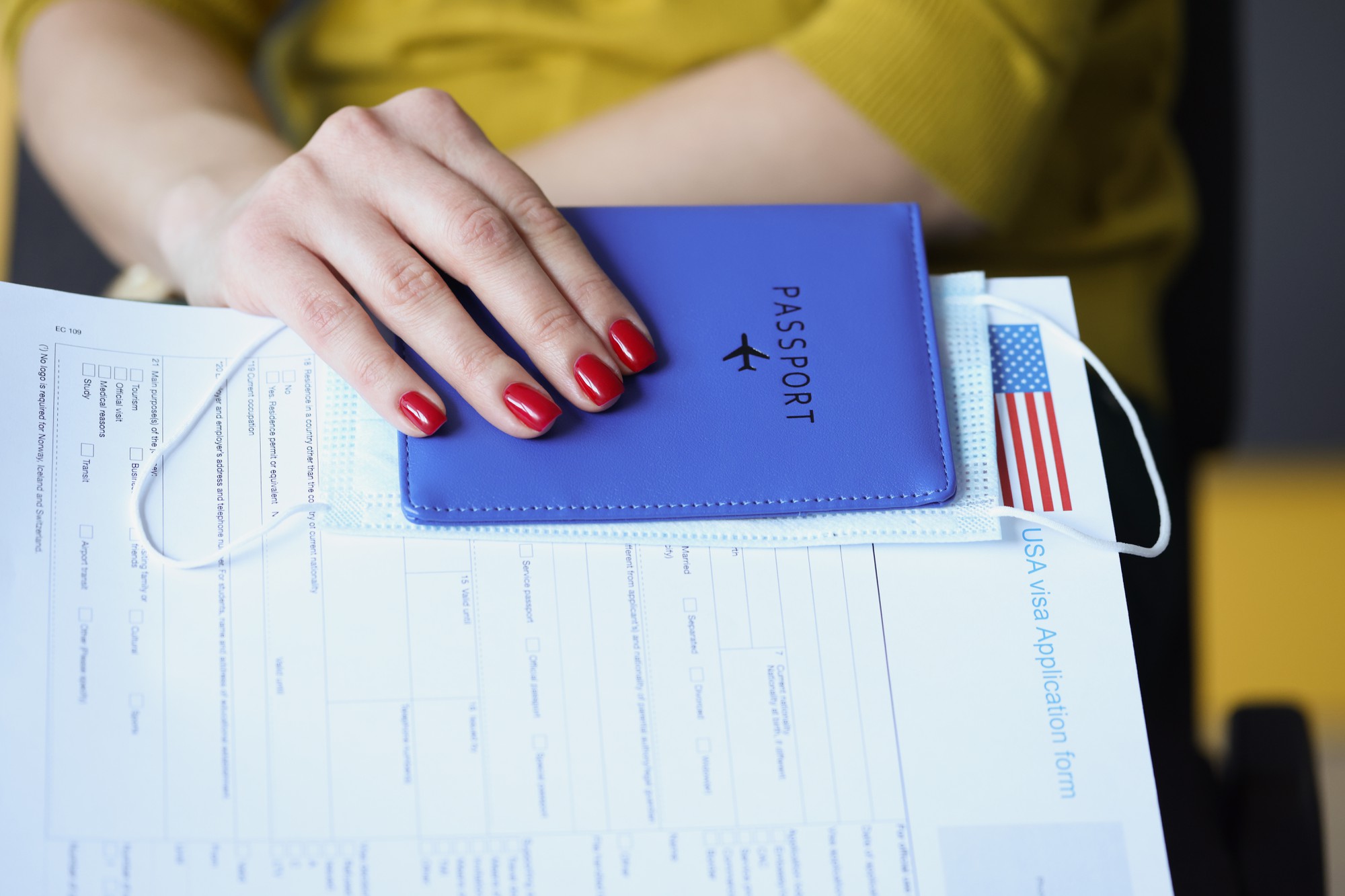
Apply 6-8 weeks before travel and book a consular appointment now to avoid delays.
Step 1: Confirm the visa type and required documents Determine that you need a tourist visa and verify the exact list on the consulate website for your name and passport details. Ensure your passport remains valid for at least six months after the planned return and has two blank pages for the visa stamp. Gather a recent photo that meets the standard size and background requirements, plus the online application form completed in full for the registration of your trip.
Step 2: Secure an invitation or hotel confirmation A formal invitation on letterhead from a host in Russia or a hotel voucher serves as the core document. If your hosting is in Sakharovo or another oblast, include the local address and a contact person. The invitation should list dates, full name as it appears on the passport, passport number, and a reference or request number if provided by the host or hotel. For rented accommodation, attach the rental agreement and the landlord's contact information.
Step 3: Prepare accommodation and registration details If you stay with a landlord, obtain a written confirmation that includes the address, the landlord's name and contact, and a note on registration arrangements upon arrival. You may need to present a temporary registration card in Russia; have the landlord assist with a formal note or a proof of hosting.
Step 4: Compile documentary collection and scans Create clean digital copies of all documents. Keep scan copies of the passport pages, invitation or hotel voucher, rental agreement if applicable, flight itinerary, and proof of funds. Assemble a collection of documents in a logical order, and extract key data (names, dates, numbers) for quick reference. Include a short letter or summary for the consulate that links your documents to your visa purpose.
Step 5: Decide where to apply and submit Submit your package to the consulate or visa center that serves your oblast. If you travel from a different region, verify the correct location and appointment system. Bring the original documents and the full set of copies; some centers require an online submission first and then a drop-off of originals.
Step 6: Understand fees, processing time, and payment Expect a consular visa fee plus a visa-center service charge. Payment methods vary by center, so confirm accepted options in advance. Processing typically takes 4-20 business days, with occasional expedited slots if offered; plan for potential weekend or holiday delays. After submission, you may receive a notification that your documents were received and are under review.
Step 7: Add a specialist touch and optional courses If your situation is common but complex, consult a visa specialist or travel agency for a course of guidance. They can help verify that your supporting documents are complete, check your application data, and help with a precise extract of key details from your files. A professional review helps prevent mistakes and improves your chances of approval.
Step 8: After approval and before travel When you receive the approved visa, examine the letterhead details, the visa validity, and the number of entries. If you travel with a hosting arrangement in rented accommodation, keep the landlord's contact handy for any later update requests from Russian authorities. Ensure you carry all documents in both paper and digital form for easy scan retrieval if needed.
Step 9: On arrival and during stay Present the visa, passport, and invitation at border control. If required, complete temporary registration in Russia and, if you change hosting during your trip, obtain new документа confirming the address. Remember that a tourist visa allows sightseeing only; allowed activities do not include work. If you need a change in plan, contact a specialist promptly to update your travel documents and dates.