The Russia-Saudi Arabia visa-free regime that took effect on 11 May 2026 marks a significant shift in bilateral travel policy. Saudi citizens can now enter Russia without advance visa processing, opening Moscow and other Russian cities for tourism, business meetings, and private visits. This arrangement streamlines what was previously a multi-week consular process into border-control clearance on arrival.
The new framework is not unlimited. It permits stays of up to 90 days within any calendar year and applies exclusively to tourism, business, and private purposes. Work assignments, university enrollment, and religious pilgrimage travel remain outside the visa-free scope and require standard visa applications through Russian consular channels.
What Does the Visa-Free Regime Allow?
Saudi passport holders arriving at Moscow's four international airports—Sheremetyevo (SVO), Domodedovo (DME), Vnukovo (VKO), and Zhukovsky (ZIA)—can clear immigration without a pre-arranged visa if their purpose matches the permitted categories. Tourism covers sightseeing, cultural visits, and leisure travel. Business includes attending conferences, negotiating contracts, and participating in trade exhibitions. Private visits encompass stays with friends or family residing in Russia.
The 90-day annual limit is cumulative, not per-entry. A traveler who spends 30 days in Moscow in March and returns for another 40 days in September has used 70 of the 90 permitted days. Border officials track this through entry and exit stamps. Exceeding the limit without proper authorization triggers penalties and potential entry bans for future visits.
Purposes explicitly excluded from visa-free entry include employment under Russian contracts, enrollment in Russian educational institutions, and organized religious pilgrimage tours. Umrah or other faith-based group travel requires a different visa category processed through the Ministry of Foreign Affairs. Journalists on assignment and individuals seeking medical treatment also fall outside the visa-free framework and must apply through standard consular procedures.
What Documents Do You Need at Moscow Border Control?
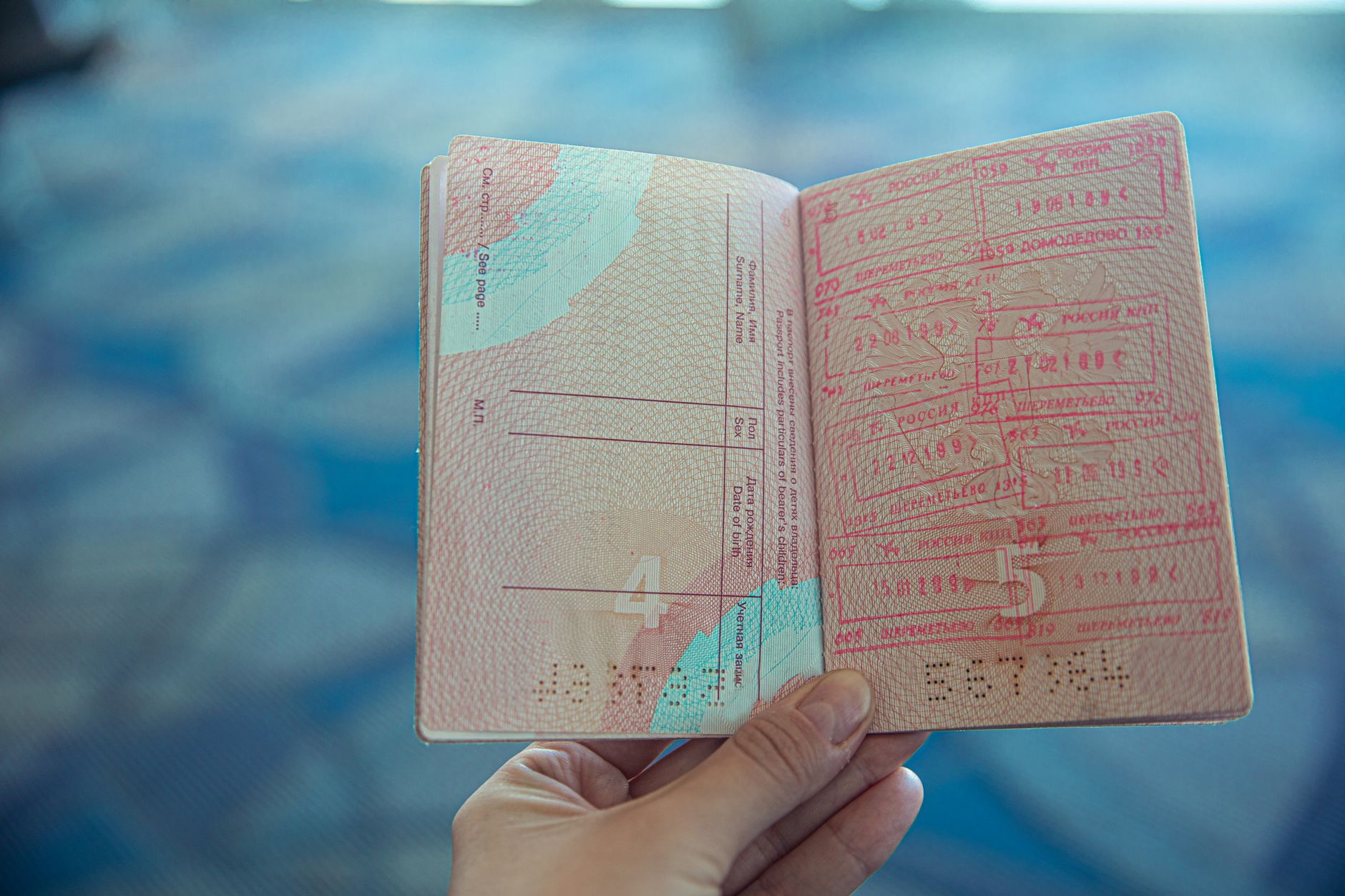
Immigration officers at Moscow airports verify several items during entry processing. A Saudi passport valid for at least six months beyond the planned departure date is mandatory. Officers check the passport's condition and authenticity, and any significant damage can result in entry refusal.
Travel medical insurance valid throughout Russia is required for the entire stay. Policies must cover emergency medical care and repatriation, with minimum coverage amounts set by Russian immigration regulations. Officers may request printed proof of insurance at the border, so digital-only confirmations are insufficient unless accompanied by printed copies. Insurance purchased from providers familiar with Russian regulatory requirements tends to process claims more smoothly than general international policies unfamiliar with local medical billing practices.
Proof of accommodation is standard. Hotel confirmations, apartment rental agreements, or invitation letters from private hosts serve this purpose. Officers occasionally ask about return travel arrangements, so having flight confirmations accessible expedites processing. While not always checked, these documents demonstrate a planned itinerary and reduce the likelihood of secondary questioning.
Financial means verification is discretionary but possible. Officers may ask travelers to show sufficient funds for their stated length of stay, either through bank statements, cash, or cards. Given payment limitations in Russia, this verification has become less common for short tourist stays, but business travelers should prepare documentation of their financial capacity.
Border officers also issue a migration card, which you fill out on the plane or at an arrival kiosk. The officer keeps one half and stamps the other; keep that stamped portion for your whole stay. Hotels need it to register you, and you hand it back when you leave, so a lost card means delays at departure.
How Do You Pay for Things in Moscow?
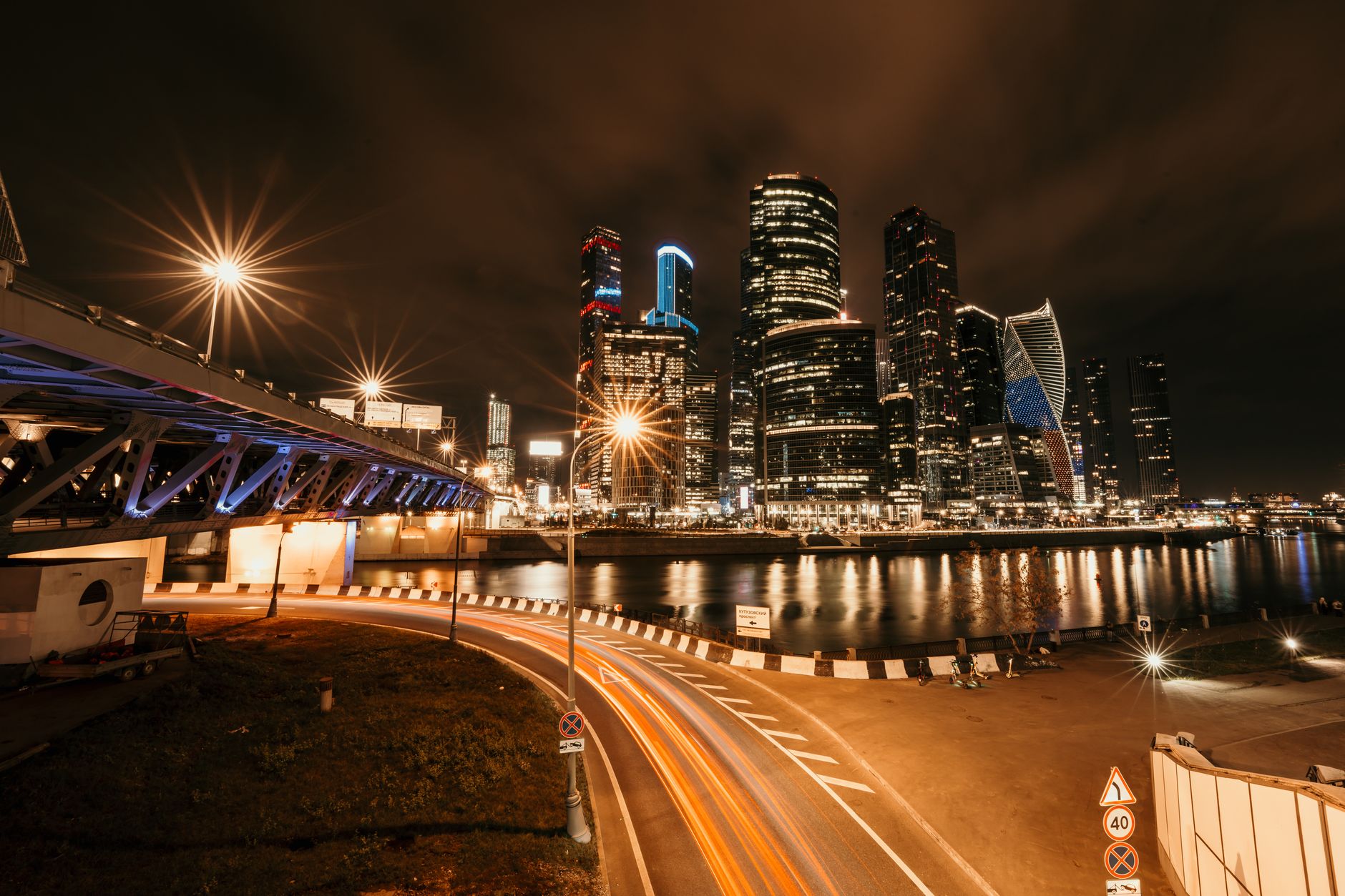
The most significant operational challenge for Saudi travelers in Moscow concerns payment methods. Foreign-issued Visa, Mastercard, and American Express cards do not function in Russia due to sanctions imposed in 2022. This means credit and debit cards from Saudi banks operating on these networks will be declined at Russian terminals, ATMs, and online merchants.
Cash remains the most reliable payment option. Travelers should bring US dollars, euros, Chinese yuan, or UAE dirham for exchange at Moscow currency exchange points. The ruble exchange rate fluctuates, and rates at airport exchange counters are typically less favorable than those at city-center banks or licensed exchange offices. Comparing rates across two or three locations before exchanging large amounts can yield better value.
The Russian MIR card system operates independently of international networks. Some travelers obtain MIR cards through Russian banks, though this requires opening a Russian bank account, which involves presenting identification documents and sometimes proof of address. The process can take several days and may require a Russian phone number for verification. For short stays under the visa-free regime, this option is less practical than carrying cash.
Many but not all establishments in Moscow accept UnionPay cards, the Chinese payment network. Travelers holding UnionPay cards from Saudi or international banks may find these work at larger hotels, major retail chains, and some restaurants, though acceptance is inconsistent. Terminal compatibility varies, and smaller vendors rarely support UnionPay. Testing a UnionPay card early in the visit helps establish whether it will serve as a backup to cash.
Digital payment apps popular in Russia, such as SberPay and Yandex Pay, require Russian bank accounts or MIR cards to function. International mobile payment systems like Apple Pay and Google Pay rely on the underlying card network, so a Visa or Mastercard loaded into these apps will still fail in Russia.
Is Moscow Accessible for Muslim Travelers?
Moscow accommodates Muslim visitors more comprehensively than many travelers expect. The Moscow Cathedral Mosque, located near Prospekt Mira metro station, is among Europe's largest mosques and serves as a central prayer facility. The mosque complex includes separate prayer halls, ablution facilities, and a library. Friday prayers attract large congregations, and the mosque remains open for daily prayers throughout the year.
Halal food availability has expanded across Moscow in recent years. Restaurants serving Central Asian, Middle Eastern, and Caucasian cuisine often provide halal-certified meat, though verification of certification standards varies. Travelers seeking strict halal compliance should ask staff about sourcing and certification. Grocery stores in districts with significant Muslim populations stock halal products, including meat, prepared foods, and snacks labeled with halal certification marks.
Prayer times in Moscow shift considerably across seasons due to the city's northern latitude. Summer days extend well past 21:00, compressing the window between Maghrib and Isha prayers. Winter daylight shortens dramatically, with Fajr occurring as late as 08:00. Travelers should confirm prayer times through reliable apps or mosque announcements rather than relying on home-country schedules.
How Do You Get from the Airport to Central Moscow?
Moscow's four airports connect to the city center through various transport options, and selecting the right method depends on arrival time, luggage volume, and budget. Sheremetyevo (SVO) and Domodedovo (DME) are the largest international gateways, while Vnukovo (VKO) handles a mix of domestic and international flights. Zhukovsky (ZIA) is the newest and smallest of the four.
The Aeroexpress train system links SVO, DME, and VKO to central Moscow railway terminals. Trains run every 30 minutes during most of the day, with reduced frequency late at night. Journey times range from 35 to 50 minutes depending on the airport. Tickets purchased online or through the Aeroexpress app cost less than those bought at airport kiosks. The trains offer luggage racks and comfortable seating, though they can become crowded during peak travel hours.
Pre-arranged transfers through GetTransfer.com eliminate uncertainty about payment methods and navigation. Drivers meet passengers in the arrivals hall with name signs, assist with luggage, and provide direct transport to hotels or apartments. This option suits travelers arriving late at night, those with substantial luggage, or groups splitting the cost among multiple passengers. Confirming the booking before departure ensures the driver has correct flight details and can adjust for delays.
Moscow's metro system is extensive and inexpensive, though reaching it from airports requires additional transport. From Sheremetyevo, bus routes connect terminals to the nearest metro stations. The combination of bus and metro takes longer than Aeroexpress but costs significantly less. Navigating with luggage during rush hours can be challenging, as metro cars and platforms become extremely crowded between 08:00-10:00 and 17:00-19:00.
Common Mistakes to Avoid
Several operational errors recur among first-time visitors to Moscow under the visa-free regime. Arriving without sufficient cash is the most common. Even travelers who plan to obtain MIR cards or rely on UnionPay often find the process takes longer than expected or encounters unexpected obstacles. Carrying at least three days' worth of expenses in cash provides a buffer while sorting out payment options.
Underestimating the 90-day annual limit causes problems for travelers who make multiple trips. The limit is cumulative across the calendar year, not a rolling 12-month period. A traveler who exhausts 90 days by October cannot return until January of the following year without obtaining a standard visa. Tracking days carefully and keeping entry and exit stamps legible helps avoid disputes at border control.
Confusing airport codes leads to missed connections and booking errors. Vnukovo (VKO) is in Moscow, while Vladivostok's airport uses VVO. Similarly, booking accommodation in Moscow Oblast instead of Moscow proper can add hours to daily commutes. Verifying that hotels and apartments are within the city boundaries, preferably near metro stations, prevents logistical complications.
Neglecting to print insurance documents creates delays at immigration. Officers may not accept smartphone displays of insurance policies, particularly if the screen is difficult to read or the document is in a language other than Russian or English. Printed copies in both Russian and English, if available from the insurer, expedite processing.
Assuming all Moscow establishments accept card payments leads to inconvenient situations. While large hotels and international chains often accommodate foreign payment methods through workarounds, neighborhood restaurants, small shops, and local transport ticket offices operate cash-only. Keeping rubles in small denominations improves transaction ease, as many vendors cannot break large bills.
The visa-free regime between Saudi Arabia and Russia represents a meaningful reduction in travel barriers for tourism and business purposes. Understanding the payment landscape, preparing required documentation, and planning logistics around Moscow's transport infrastructure ensures that travelers can focus on experiencing the city rather than navigating bureaucratic obstacles. For official details on entry requirements and border procedures, consult the Moscow city government portal and the Russian Ministry of Foreign Affairs website.


