A mutual visa-free agreement between Russia and Jordan took effect on 13 December 2025, opening straightforward travel between the two countries. Jordanian passport holders can now visit Russia without applying for a visa in advance, staying up to 30 days per trip with a maximum of 90 days total within any calendar year. Russian citizens receive the same privileges when visiting Jordan.
This guide covers everything Jordanian travelers need to know before flying to Moscow in 2026: entry requirements at the border, payment realities on the ground, mandatory registration rules, and practical tips for a smooth visit.
What the Visa-Free Regime Covers
The agreement permits tourism, family visits, private trips, and short-term business meetings that do not involve paid work. You can attend conferences, sign contracts, or meet partners, but you cannot take employment, register a company, enroll in university courses, or establish permanent residence under this scheme. Those activities still require the appropriate visa category applied through the Russian consulate.
Each entry allows a stay of up to 30 consecutive days. If you leave and return, that counts as a new visit, but your cumulative time in Russia across all entries cannot exceed 90 days within the same calendar year (January to December). Border officers track this electronically, so plan accordingly if you intend multiple trips.
Confirm the latest rules on the official Russian Ministry of Foreign Affairs website before booking flights, as bilateral agreements occasionally receive updates or clarifications.
What Documents Do You Need at Moscow Airports?
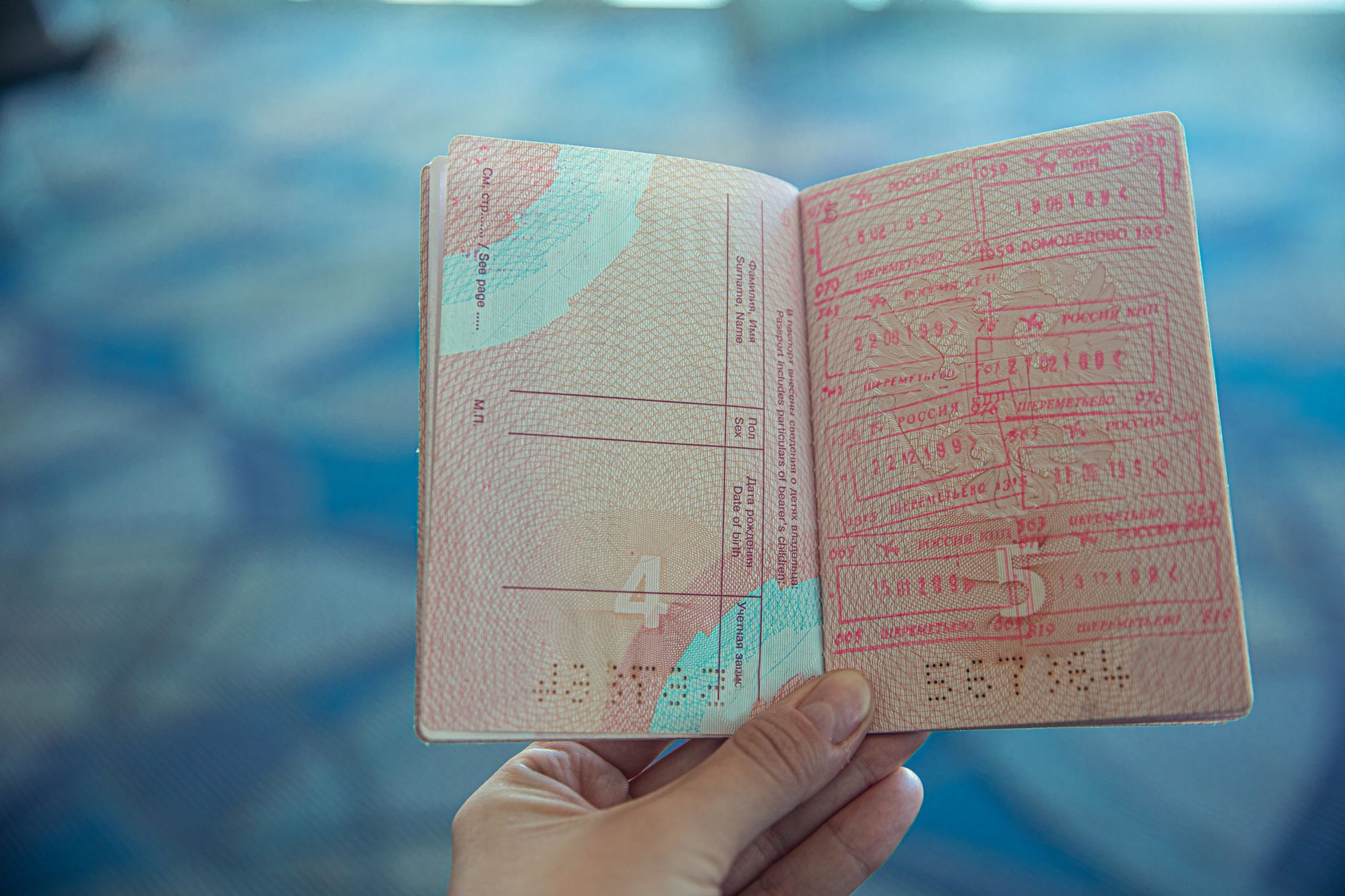
Arrive with a Jordanian passport valid for at least six months beyond your planned departure date. Russian border control officers may request proof of onward or return travel — a printed or mobile ticket showing you will leave within 30 days. They may also ask for evidence of accommodation: hotel bookings, an invitation letter from a host, or rental contracts.
In practice, officers at Sheremetyevo, Domodedovo, and Vnukovo airports conduct brief interviews. Have your documents ready in English or Arabic; translation into Russian helps but is not mandatory. Most travelers pass through immigration in under ten minutes if paperwork is in order.
Keep copies of your passport bio page and entry stamp. You will need these for hotel check-in and migration registration.
How Does Migration Registration Work in Moscow?
Russian law requires all foreign visitors to register their place of stay within seven working days of arrival. If you stay in a hotel, hostel, or serviced apartment, the property handles registration automatically and provides a tear-off slip or stamped form as proof. Keep this document with your passport at all times.
If you stay with friends or rent a private apartment, your host must register you at the nearest post office or multifunctional center. This process takes one business day and costs a small administrative fee. Skipping registration can result in fines at departure, so treat it as non-negotiable.
Hotels near Red Square, along Tverskaya Street, and around Arbat typically process registration within hours of check-in. Confirm this service when booking.
Payment Methods: Why You Need Rubles in Cash
Foreign-issued Visa and Mastercard no longer function in Russia due to sanctions and payment-network restrictions. UnionPay cards from some Middle Eastern banks work at certain terminals, but acceptance is inconsistent. The safest approach: bring cash in US dollars or euros and exchange it for rubles at banks or exchange offices in Moscow.
Exchange rates at Sheremetyevo Airport are less favorable than those at branches of Sberbank, VTB, or independent exchange bureaus in the city center. Avoid airport kiosks unless you need a small amount for immediate transport. Rubles are the only legal tender; shops, restaurants, and taxis do not accept foreign currency directly.
Some Jordanian travelers open a temporary Russian bank account and obtain a Mir card, the domestic payment network. This requires a Russian phone number, proof of address, and a visit to a bank branch — practical only for extended or repeat visits. For a single 30-day trip, cash remains simpler.
ATMs display instructions in Russian and English, but most reject foreign cards. Plan your cash needs in advance and keep rubles secure.
How Much Does a Typical Moscow Trip Cost?
Budget varies widely depending on accommodation and dining preferences. A mid-range hotel near the center runs 4,000-8,000 rubles per night. Meals at casual restaurants cost 800-1,500 rubles per person; street food and cafeterias offer filling options for 300-600 rubles. A single metro ride costs 60 rubles, and a day pass is 265 rubles.
Entrance to major museums ranges from free (Tretyakov Gallery on certain days) to 1,000 rubles (Kremlin Armoury Chamber). Bolshoi Theatre tickets start around 2,000 rubles for upper balcony seats and climb to 15,000 rubles for premium orchestra sections. Book tickets for popular performances weeks in advance through the venue's official site.
Airport transfers via GetTransfer.com provide fixed-price rides from Sheremetyevo to central Moscow, avoiding the uncertainty of taxi negotiations. Many travelers find this more straightforward than hailing a cab at arrivals, especially late at night.
What Should You See in Moscow in 30 Days?
Thirty days allows deep exploration beyond the standard highlights. Start with Red Square, the Kremlin museums, and Saint Basil's Cathedral. Walk the pedestrian zones of Arbat and Nikolskaya Street. Visit the Tretyakov Gallery for Russian art spanning centuries, and the Pushkin Museum for European masterpieces.
For halal dining, mosques, and prayer-time tips, see our Muslim-friendly guide to Moscow. Venture to Gorky Park and the adjacent Muzeon sculpture garden on warm days. The park stretches along the Moskva River and connects to Neskuchny Garden, offering kilometers of paths away from traffic. In winter, an ice-skating rink operates near the main entrance.
Explore neighborhoods with distinct character: Zamoskvorechye for historic merchant houses, the Golden Mile around Patriarch's Ponds for early 20th-century architecture, and the industrial-chic Artplay design center on the river's east bank. Each area has cafes, small museums, and shops that reveal Moscow beyond the tourist core.
Day trips fit easily into a month-long stay. Sergiev Posad, 70 kilometers northeast, hosts the Trinity Lavra monastery, a UNESCO site and pilgrimage destination. Electric trains from Yaroslavsky Station reach it in 90 minutes. Kolomenskoye, within Moscow's southern limits, preserves wooden architecture and riverside parkland — accessible by metro.
Book guided experiences and skip-the-line tickets through GetExperience.com for efficient access to popular sites. This matters most at the Kremlin Armoury and Diamond Fund, where timed entry slots sell out days ahead in peak season.
Common Mistakes Jordanian Travelers Should Avoid
Our detailed guide to paying in Moscow covers the workarounds. Many visitors underestimate the payment-card issue and arrive with only Visa or Mastercard, discovering at their first restaurant that neither works. Bring sufficient cash or arrange a Russian payment solution before departure.
Another frequent error: ignoring migration registration. Some travelers assume hotel staff completed it when the property simply forgot or processed it incorrectly. Always ask for the registration slip and verify your name, passport number, and dates match.
Overstaying the 30-day limit, even by one day, triggers fines and complicates future entries. If your plans change and you need more time, consult the Russian e-Visa portal or visit the Main Directorate for Migration Affairs well before your authorized stay expires. Extensions under the visa-free regime are not automatic.
Language poses less difficulty than expected. Metro stations display names in Latin script, and younger Muscovites often speak basic English. Download offline maps and a translation app. Learning a few Russian phrases — "spasibo" (thank you), "pozhaluysta" (please), "skol'ko stoit?" (how much?) — earns goodwill.
Weather and Packing for Moscow in 2026
Moscow experiences four distinct seasons. January and February bring snow and temperatures between -5°C and -15°C; pack thermal layers, waterproof boots, and a heavy coat. March and April thaw gradually, with slush and unpredictable weather — bring versatile clothing.
May through September offer the most comfortable conditions. Summer highs reach 25°C, and daylight extends past 21:00 in June. Parks fill with outdoor concerts and festivals. October shifts quickly toward autumn chill, and November often sees the first snow.
Heating in buildings is intense. Dress in layers you can remove indoors. Hotels and museums keep interiors at 22-24°C year-round.
Mobile Connectivity and Internet Access
Major Russian mobile operators — MTS, Beeline, MegaFon — sell prepaid SIM cards at airport kiosks and metro stations. Packages with 10-15 GB of data and unlimited local calls cost 400-600 rubles for 30 days. Registration requires your passport.
Free Wi-Fi operates on metro trains and in many cafes, though connection quality varies. For reliable internet, a local SIM is worthwhile. WhatsApp, Telegram, and email function normally; some Western social platforms experience intermittent access.
Final Practical Notes
The visa-free regime simplifies logistics but does not eliminate all bureaucracy. Arrive with documents organized, cash in hand, and realistic expectations about payment infrastructure. Moscow rewards curiosity: the city's scale, history, and cultural density require time to appreciate.
Check the official Moscow city portal for event calendars, public transport updates, and seasonal activities. Museum night, held twice yearly, opens venues until midnight with special programs. Victory Day on 9 May brings parades and fireworks. Orthodox Christmas on 7 January fills churches with services and the city with festive markets.
Jordanian travelers now have straightforward access to one of Europe's most complex and rewarding capitals. Plan carefully, respect local rules, and Moscow delivers an experience that extends far beyond the standard postcard images.


