Short answer: WhatsApp has been blocked in Russia since February 2026, and Telegram is heavily throttled — it still works sometimes, but not reliably without a VPN. A state-backed app called Max is being promoted as the "safe" alternative, but tourists don't need it. The practical fix is the same one locals use: install a working VPN before you land, get a data eSIM, and treat hotel Wi-Fi as your main connection.
What happened: the February 2026 messenger blocks
Russia's media regulator, Roskomnadzor, began restricting Telegram on February 10, 2026, citing the app's failure to comply with data-storage and anti-crime rules. Two days later, on February 12, officials confirmed that WhatsApp had been removed from Russia's domain name system and was effectively blocked, a move tied to Meta being designated an "extremist organization" in the country. Both blocks came shortly after a January 1, 2026 rule requiring all messaging services operating in Russia to store user communications for three years and hand them over to security agencies on request.
Is Telegram fully blocked, or does it still work?
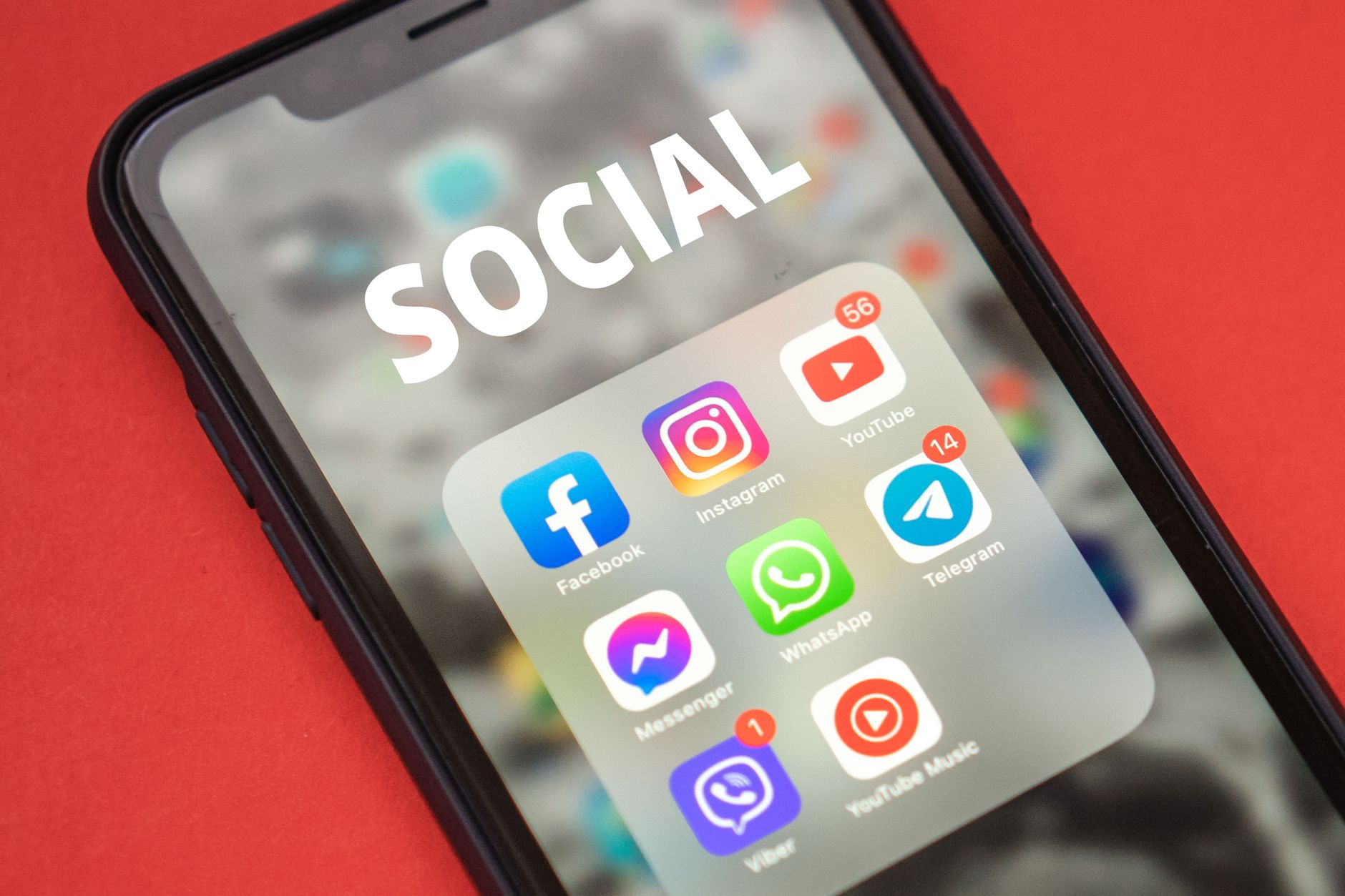
As of mid-2026, Telegram sits in a strange middle ground: throttled rather than completely cut off. Authorities announced a full block starting April 1, and further rounds of throttling followed in April and May, but independent reports show the app remains partially reachable — mostly for people using a VPN. In practice, expect Telegram to load slowly or fail outright on a normal connection, and don't count on it as your only way to stay in touch. A reliable VPN makes the difference between "unusable" and "works fine."
What is Max, and do I need it?
Max is the Russian government's own messaging app, promoted publicly as a "convenient alternative" to WhatsApp and Telegram. It handles messaging, payments, and access to some government services. Tourists have no practical reason to install it — it is aimed at the domestic market, and unlike WhatsApp or Telegram, it is not end-to-end encrypted, meaning your messages are far less private. There is no requirement for visitors to use it. In early June 2026, Apple removed Max from its App Store anyway, so iPhone users can't download it after arriving even if they wanted to — one more reason to skip it and rely on your usual apps through a VPN.
What still works for tourists
- iMessage and FaceTime — unaffected for iPhone users messaging other Apple devices.
- Viber — has historically continued working in Russia without a VPN, though this can change.
- Regular calls and SMS — work normally through your eSIM or local SIM, independent of any app blocks.
- Email and most Google/Apple services — generally accessible without issue.
Test your usual apps as soon as you connect to Wi-Fi after landing, rather than assuming they'll work — availability shifts as enforcement changes.