
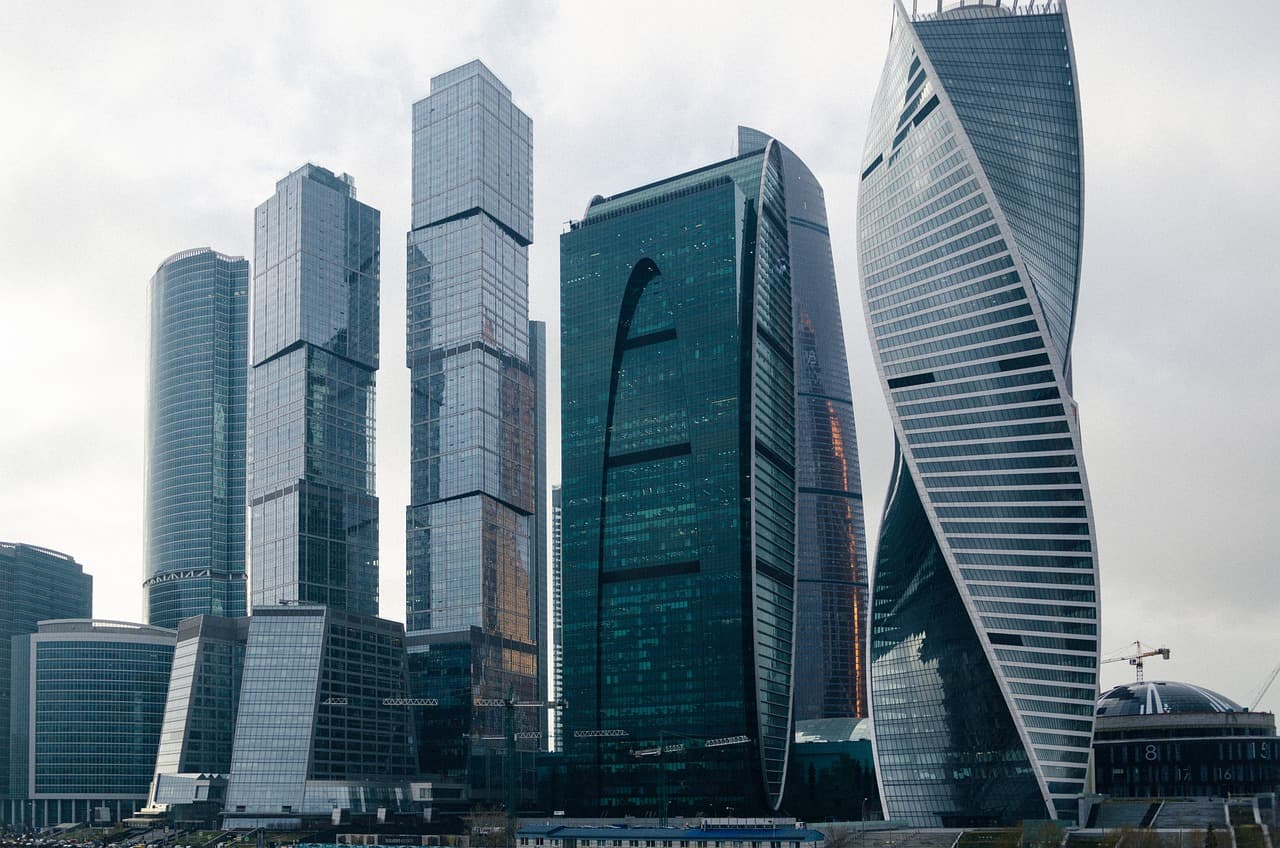

Moscow smart city tourism transforms the visitor experience, blending cutting-edge technology with the city's rich cultural heritage. From AI-powered navigation to interactive museum apps, Moscow leverages its Smart City 2030 strategy to make travel seamless and immersive. The Moscow CityPass enhances this, offering a Troika card for smart transport, digital guides for attractions, and discounts at tech-enabled venues. Therefore, this guide explores how Moscow's innovative technologies elevate tourism, ensuring a memorable journey through its digital and historic landscapes in 2025.
Moscow's Smart City Vision
Moscow's journey to becoming a global smart city leader began in 2011 under Mayor Sergey Sobyanin, with annual investments of $600 million in digital infrastructure. The Smart City 2030 plan integrates AI, IoT, and 5G to streamline urban life, directly benefiting tourists. For instance, the city's 99% 4G coverage and 2,000+ free Wi-Fi hotspots in parks and public transport ensure constant connectivity. Thus, visitors stay online effortlessly, accessing real-time information to navigate the Kremlin or book tours.
The Moscow CityPass taps into this ecosystem, providing a digital app with interactive maps and event schedules. Additionally, smart transport systems, like the Moscow Metro's contactless payments, simplify travel. Because connectivity drives convenience, tourists can explore with ease, making Moscow smart city tourism a standout experience.
Smart Transport: Seamless City Navigation
The Moscow Metro, a marvel of ornate architecture, doubles as a smart transport hub, carrying over 7 million passengers daily with efficiency. Contactless payments via the Troika card, included with the Moscow CityPass, allow quick access to 250+ stations. For example, Yandex.Transport's app provides real-time metro and bus schedules, helping tourists plan routes to Red Square or Luzhniki Stadium. Therefore, navigating Moscow's sprawling layout becomes intuitive, even for first-time visitors.
Moreover, the city's 2,000+ electric buses and Velobike app for bike rentals promote sustainable travel. Tourists can cycle along the Moskva River, using pass discounts for rentals (~150 RUB). Since traffic can snarl central areas, smart routing apps like Yandex.Maps reduce delays. Thus, Moscow smart city tourism ensures eco-friendly, efficient exploration.
Metro's Digital Enhancements
The metro's smart ticketing system lets tourists tap smartphones for fares, streamlining entry. Interactive digital maps at stations, often in English, guide visitors to landmarks like Saint Basil's Cathedral. Additionally, the Moscow CityPass app suggests nearby attractions, such as Zaryadye Park, based on your station. Because accessibility matters, the metro offers audio guides via QR codes, enhancing cultural immersion. Plan a 1-2 hour metro tour to admire its art while leveraging smart navigation.
Digital Engagement at Cultural Sites
Moscow's cultural landmarks embrace technology to enrich visitor experiences. The Kremlin's Armoury Museum offers augmented reality (AR) tours via an app, letting tourists explore tsarist treasures virtually. For instance, scanning exhibits with the app reveals 3D models and historical facts, deepening engagement. Similarly, the State Historical Museum uses interactive touchscreens to narrate Russia's past, from Viking origins to Soviet triumphs. Thus, Moscow smart city tourism blends history with innovation.
The Moscow CityPass provides discounted entry (~500 RUB) to these tech-enhanced museums. Because language barriers can challenge visitors, apps like Yandex.Translate offer real-time Cyrillic translations. Moreover, free Wi-Fi in Red Square ensures seamless access to these digital tools, making cultural exploration immersive and accessible.
Virtual Reality at VDNKh
VDNKh, Moscow's exhibition park, attracts 25 million visitors annually with its tech-driven attractions. The Moscow Digital Twin, showcased at the Moscow Urban Forum, offers VR tours of restored pavilions, simulating a bike ride through the park's 325 hectares. For example, visitors use VR headsets (~300 RUB, pass-discounted) to explore Soviet-era architecture virtually. Since the park is vast, the CityPass app maps optimal routes. Therefore, VDNKh's digital features make it a highlight of Moscow smart city tourism, blending physical and virtual exploration.
Smart Crowd Management for Events
Moscow's vibrant festivals, like the Moscow Urban Forum (August-September), benefit from smart crowd management. IoT sensors and 146,000+ CCTV cameras monitor crowd density in real time, ensuring safety at events like the Spasskaya Tower Festival. For instance, the Moscow CityPass app alerts tourists to less crowded times for events, enhancing comfort. Additionally, the Afisha app helps book tickets for concerts or theater, streamlining planning. Thus, smart systems make Moscow's events accessible and enjoyable.
Because large crowds can overwhelm venues, AI-driven analytics guide visitors to quieter spots like Gorky Park during peak times. The pass's digital guide suggests alternative routes, reducing congestion. Moreover, 5G networks, tested by Qualcomm in Moscow, ensure fast app updates during festivals. Therefore, Moscow smart city tourism optimizes event experiences, keeping visitors safe and informed.
Safe City Initiative's Impact
The Safe City program, with 217,000 AI-powered cameras, enhances tourist safety by detecting suspicious activity in real time. While controversial for privacy, it has cut urban crime by 50% over the past decade, per city reports. For example, cameras at Bolshoi Theatre entrances ensure secure entry for performances. Since safety is a priority, the Moscow CityPass includes emergency contacts and maps to police stations. Thus, tourists explore confidently, supported by smart security.


