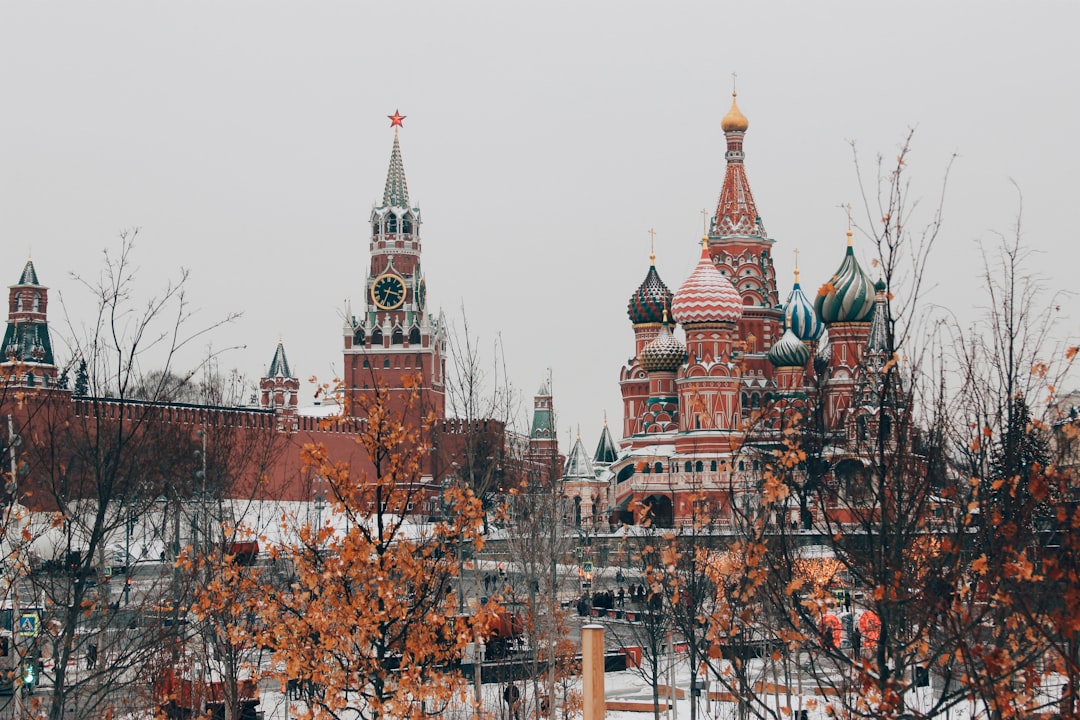
A man in a dark uniform approaches you near Red Square. He flashes a badge, asks for your passport, and mentions a problem with your registration. Within minutes, he's suggesting a fine you can pay right there in cash. This scenario plays out regularly in Moscow's tourist zones, and knowing how to respond can save you hundreds of euros and considerable stress.
The fake police scam remains one of the most persistent fraud schemes targeting visitors to Moscow. Understanding the mechanics, recognizing the warning signs, and knowing your legal rights transforms you from a potential victim into an informed traveler who can confidently navigate the situation.
How the Fake Police Scam Works in Moscow
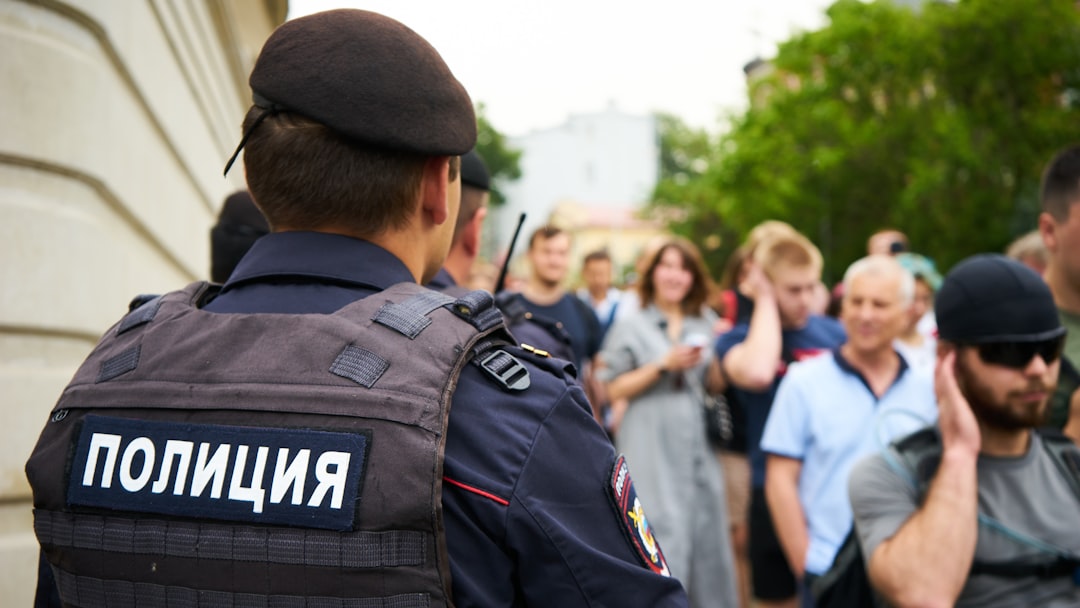
The scam follows a predictable pattern. Perpetrators work in pairs or small groups, typically near major tourist sites like the Kremlin, Arbat Street, or metro stations around Tverskaya. They wear clothing resembling police uniforms — often outdated or slightly incorrect versions.
The initial approach varies. Some claim they're conducting drug checks and need to see your wallet or passport. Others mention visa registration problems or currency exchange violations. The goal remains consistent: create enough authority and confusion to examine your documents and valuables.
Once they have your passport or wallet, several outcomes occur. They may request an immediate cash fine for an invented violation. Some ask to inspect your money for counterfeit bills, then return fewer notes than you had. Others photograph your passport and credit cards, setting up identity theft. The most brazen simply walk away with your belongings.
These criminals target tourists specifically because visitors often don't know Russian law, feel vulnerable in an unfamiliar country, and carry more cash than locals. The scam exploits the legitimate authority police hold and the natural anxiety about legal trouble abroad.
What Do Legitimate Police Checks Actually Look Like?
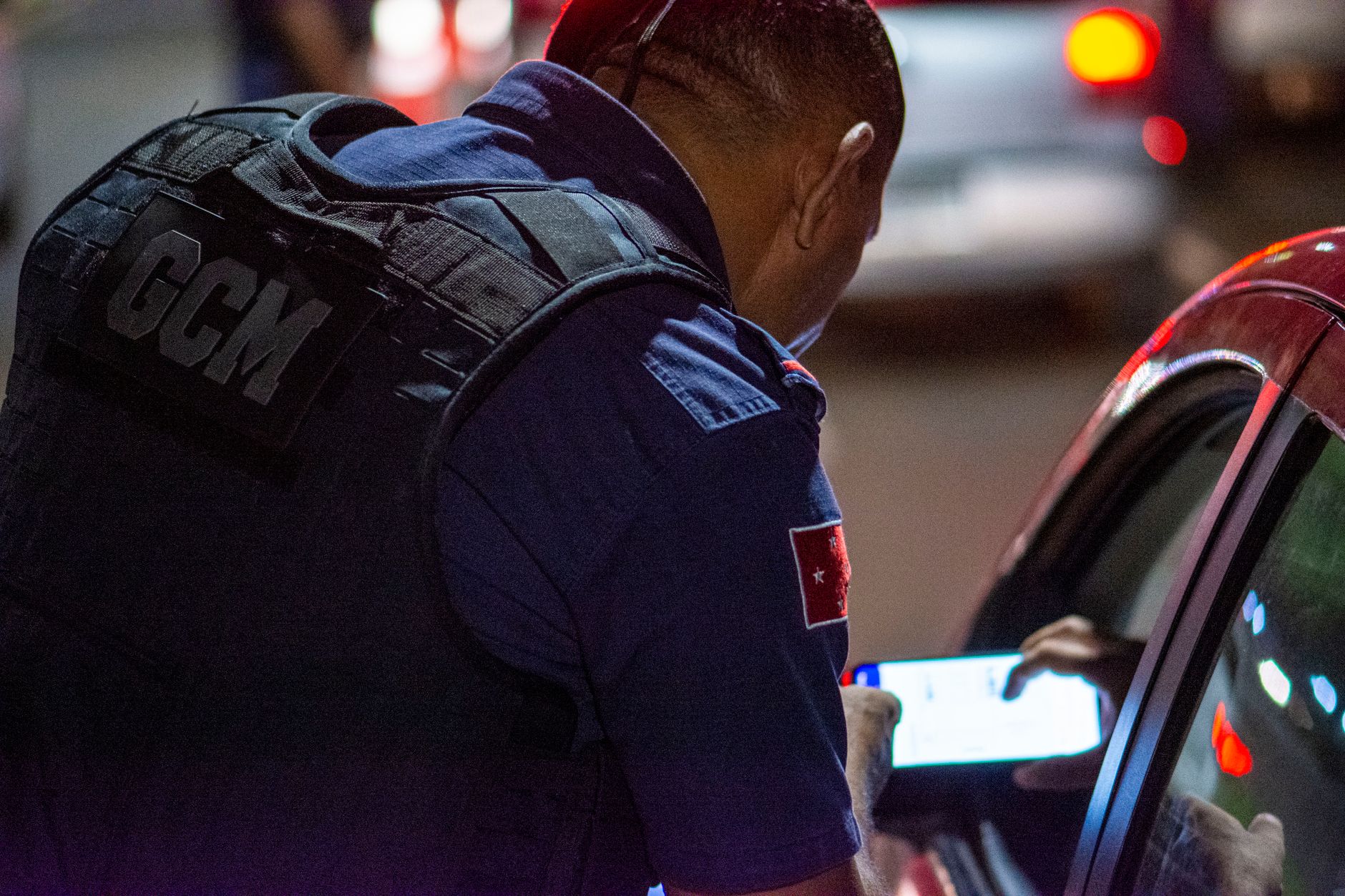
Real police officers in Moscow carry standardized identification that includes a photo, full name, rank, and unique service number. The ID card has a holographic seal and the emblem of the Ministry of Internal Affairs. Officers must show this identification when requested — it's your legal right to see it before complying with any request.
Genuine police checks happen in specific contexts. Officers may verify documents near border zones, during large public events, or if they witness suspicious activity. They conduct these checks in Russian and typically have a clear reason they can articulate. Random street checks of tourists without cause are uncommon.
Real officers never handle money during a document check. Fines for administrative violations go through an official process with written documentation and payment at a bank or through the government services portal. No legitimate officer accepts cash payments on the street or suggests resolving a problem immediately with money.
The uniform provides another clue. Moscow police wear navy blue uniforms with clear insignia, rank badges, and name tags. The uniform quality is high, with proper patches and equipment. Fake uniforms often look worn, have mismatched elements, or use incorrect insignia placement.
How Should You Respond to a Suspected Fake Police Encounter?
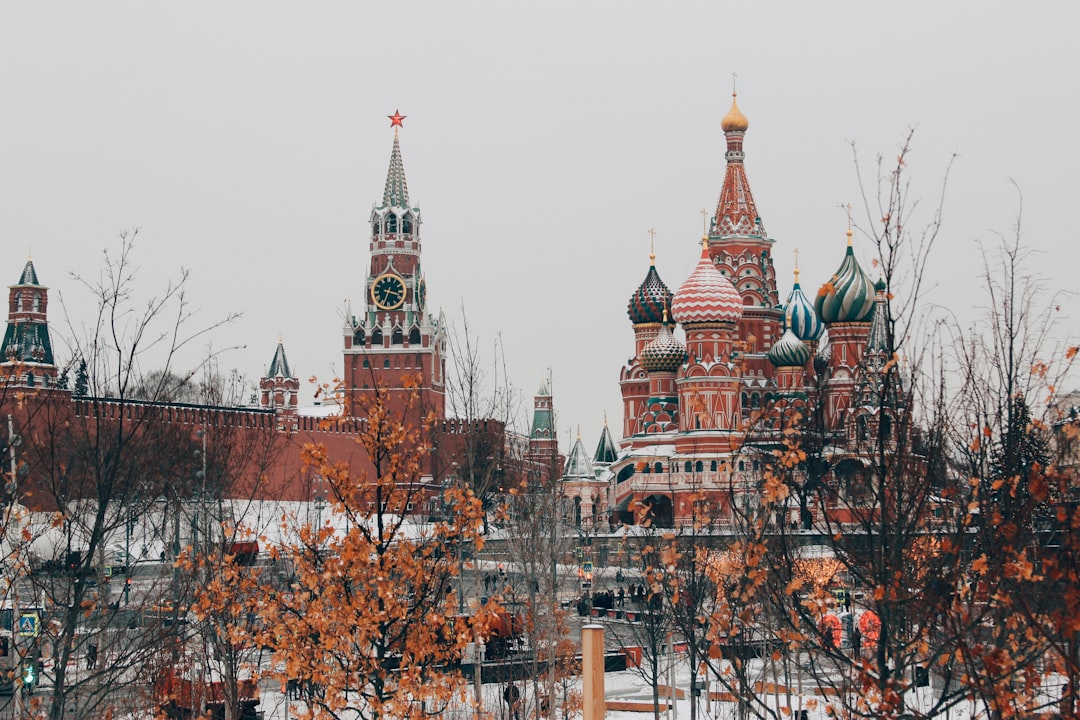
Stay calm and polite. Panic makes you vulnerable to manipulation. Begin by asking to see the officer's identification card. Hold it yourself and examine it closely — note the service number and name. Take a photo of the ID card with your phone if possible.
Never hand over your passport. Russian law requires you to carry identification, but you can show it without releasing it from your hands. Hold the document open for inspection while maintaining physical control. If someone insists on taking your passport to examine it elsewhere or in a vehicle, refuse firmly.
Ask clear questions in English. Where is the nearest police station? What specific violation are they investigating? Can they provide written documentation? Legitimate officers working tourist areas often speak basic English or can radio for translation support. Scammers typically cannot provide detailed answers and grow frustrated with questions.
If you feel threatened or uncertain, walk toward a crowded area or an official building. Suggest moving the conversation to the nearest police station. Real officers will comply with this reasonable request. Fake ones will usually abandon the attempt rather than risk exposure in an official location.
Contact your embassy if the situation escalates.The U.S.Embassy in Moscow maintains a citizens services line, as do other major embassies.Having these numbers saved in your phone before travel proves valuable.
Where Do These Scams Most Frequently Occur?
The Arbat area, both Old and New Arbat streets, sees regular fake police activity. The pedestrian zones attract tourists, and the mixed crowds provide cover for scammers. Evening hours between 7 pm and 10 pm carry higher risk as legitimate police presence decreases.
Metro stations near major attractions present another hotspot. Teatralnaya, Okhotny Ryad, and Ploshchad Revolyutsii stations all connect to Red Square and the Kremlin area. Scammers position themselves near exits where tourists emerge consulting maps or phones — distracted and identifiable.
Gorky Park and Muzeon Park areas have reported incidents, particularly during summer months when visitor numbers peak. The park entrances and pathways to the Tretyakov Gallery create natural chokepoints where tourists concentrate.
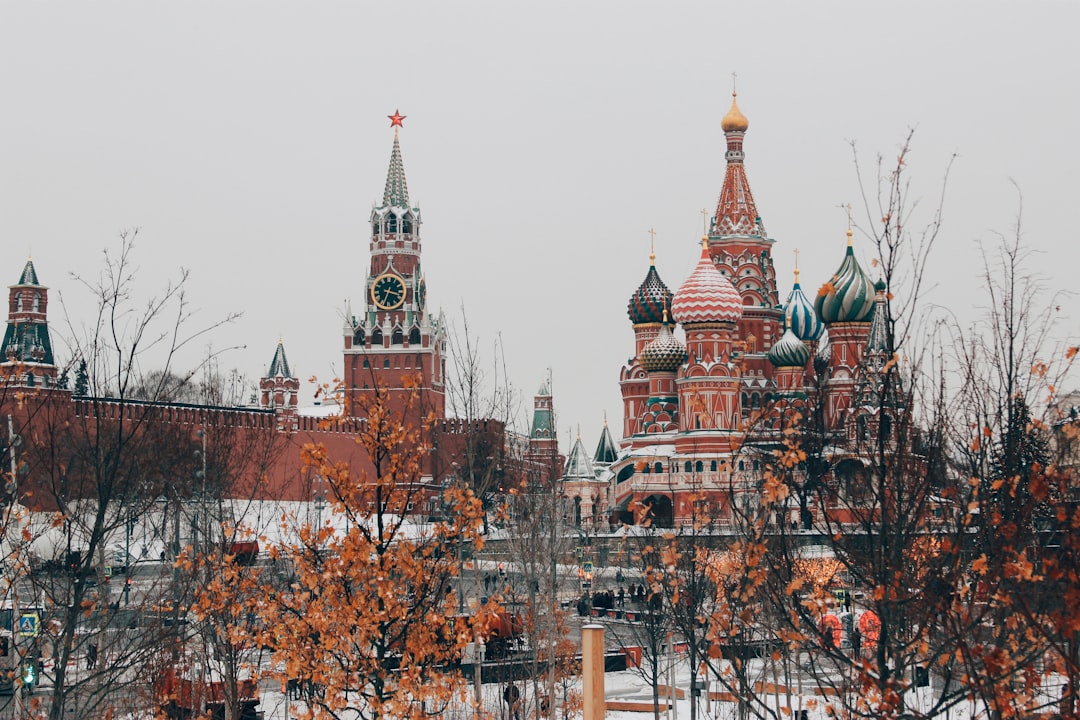
Interestingly, fake police rarely operate directly on Red Square itself or inside the Kremlin grounds. Security presence there is too high, and surveillance too extensive. They work the approach routes instead — the streets within a five-minute walk of major sites.