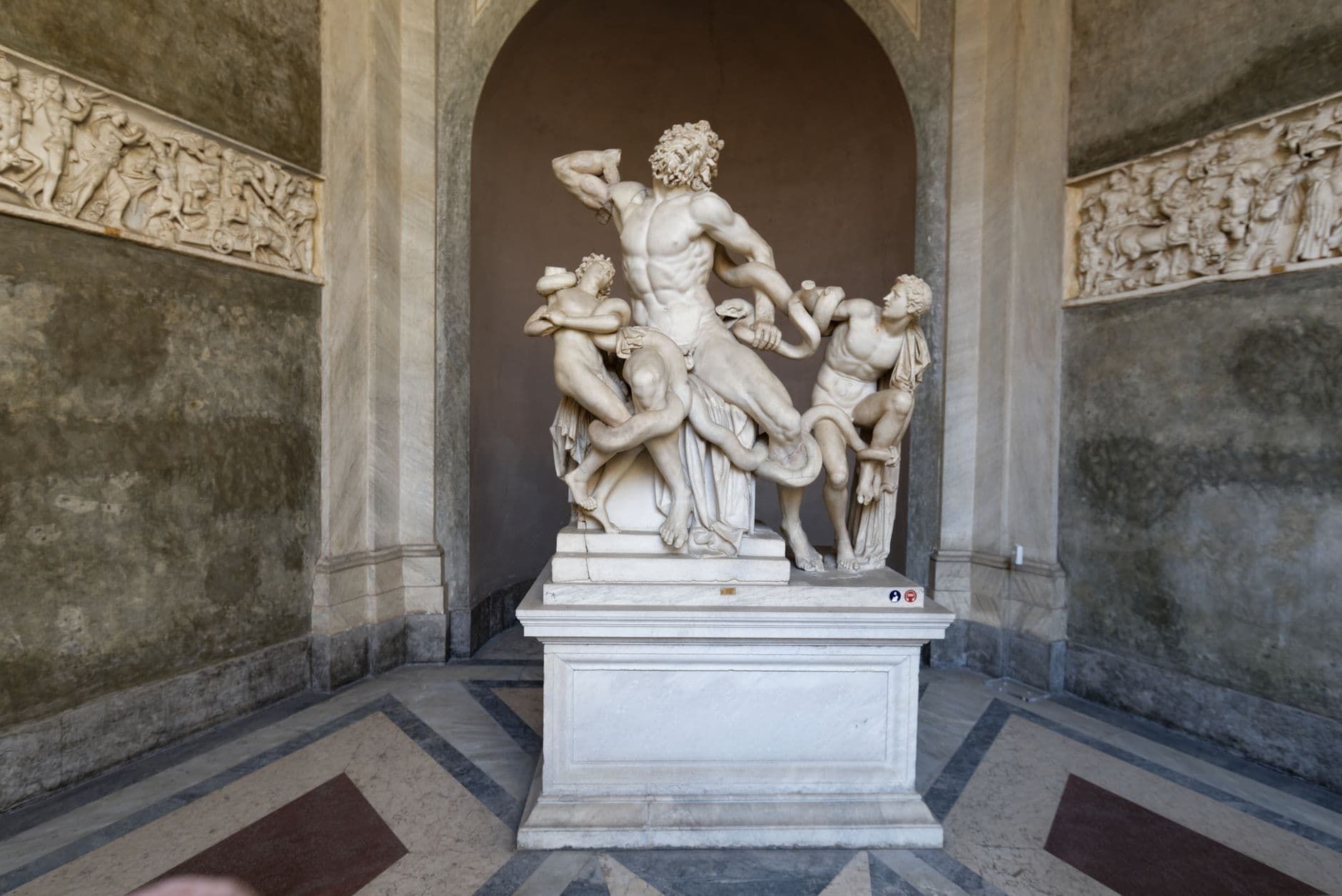
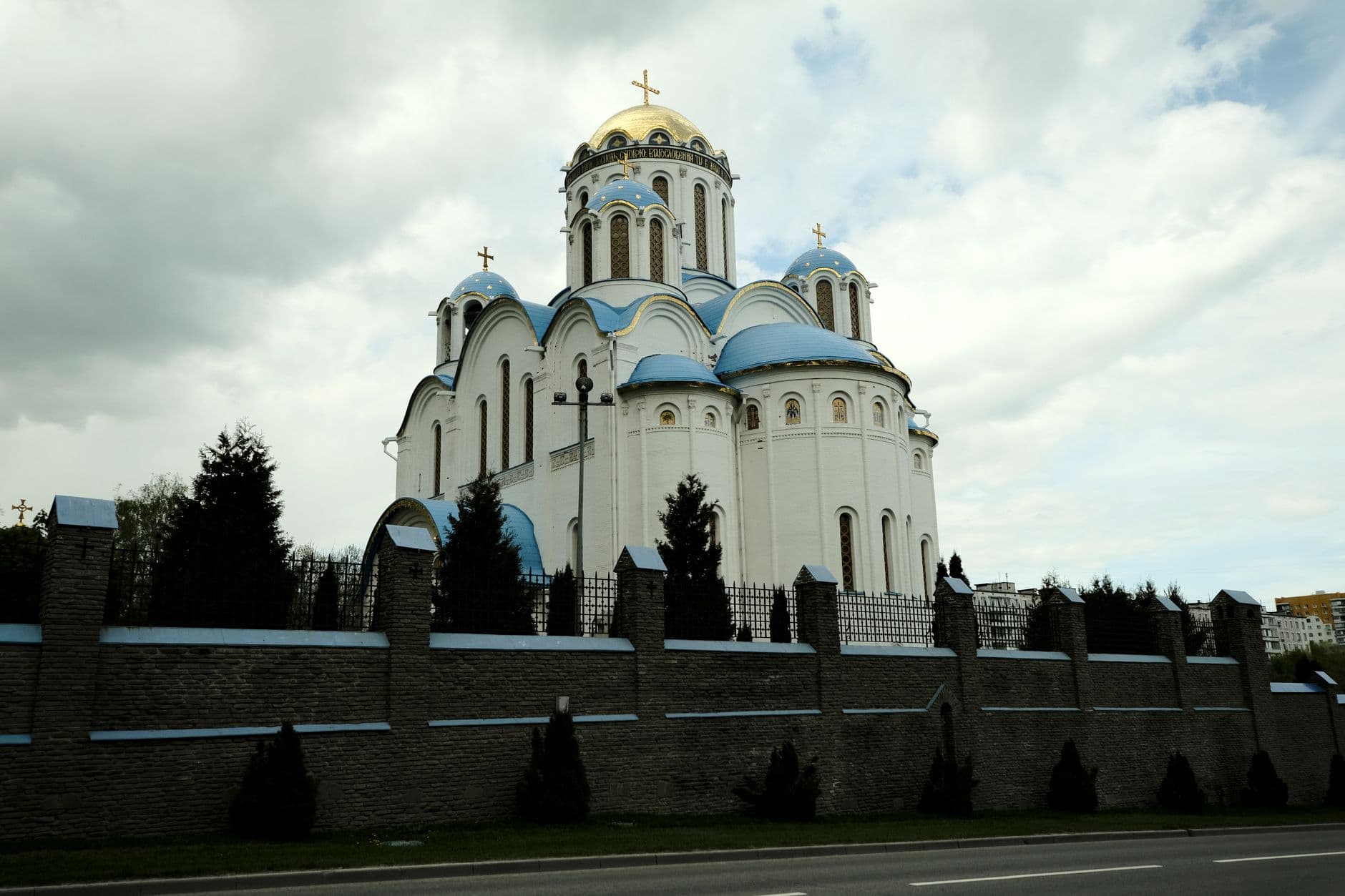
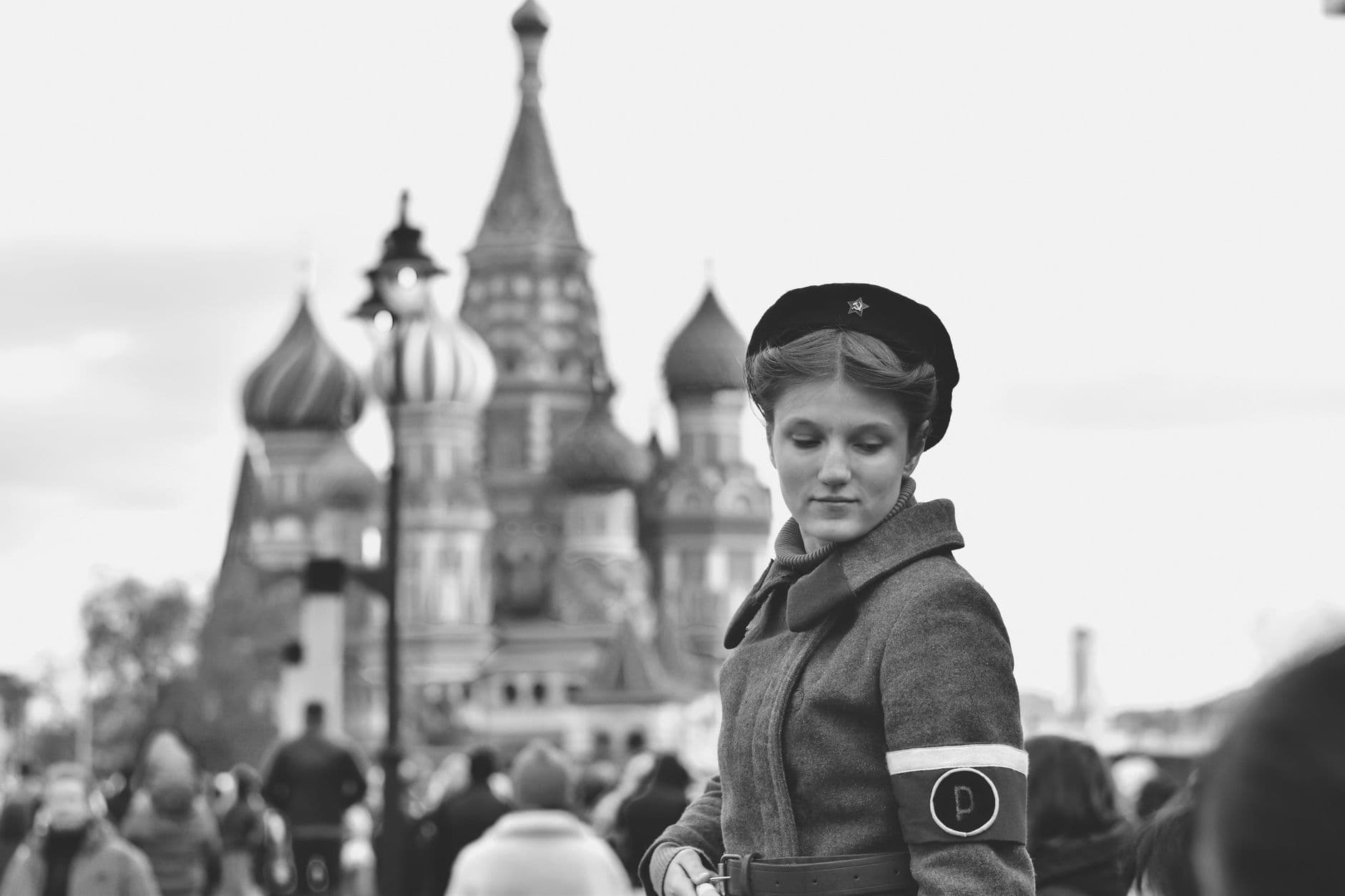
The Vatican Museums, a renowned institution known for their vast collection of art and historical artifacts, now showcase a remarkable exhibition that traces the lineage of Russian art from its inception to the modern era. This rare opportunity offers visitors a unique chance to explore the dynamic styles and techniques that have defined Russian creativity. The exhibition, which runs through the spring months, promises to be a guiding light for art enthusiasts eager to delve into the avant-garde movements that flourished in the 20th century.
Among the outstanding pieces on display are works by iconic painters such as Kazimir Malevich and Pavel Filonov, whose mastery of colour and brushwork transformed the artistic landscape of their time. The exhibition also highlights lesser-known artists, providing a platform for their works that have remained in the shadows for too long. Each piece reveals the deep connections between the church and the artists, showcasing how faith has inspired some of the most evocative masterpieces that hang on the museum's walls.
This exhibition allows visitors to walk through a carefully curated route, combining the historical context of Russian art with a contemporary understanding of its significance. Curators have employed an innovative strategy to present these artworks, offering insights that bridge the gap between generations of artists. From the popular portraits of the 16th century to the expressive tones of modern paintings, this collection brings together the richness of Russia's artistic heritage, inviting spectators to reflect on their meaning and place within the global art scene.
As you visit the Vatican Museums and explore this unique exhibition, take a moment to appreciate the architectural beauty that houses these treasures. It is a time to connect with the past and the powerful emotions that art can evoke. Don't miss the chance to witness firsthand how the brushstrokes of these talented painters continue to influence the world of art today. This exhibition is not just a display of paintings; it is an invitation to engage with a profound cultural experience that transcends time.
The Tretyakov Gallery - Russian Art Like You've Never Seen Before
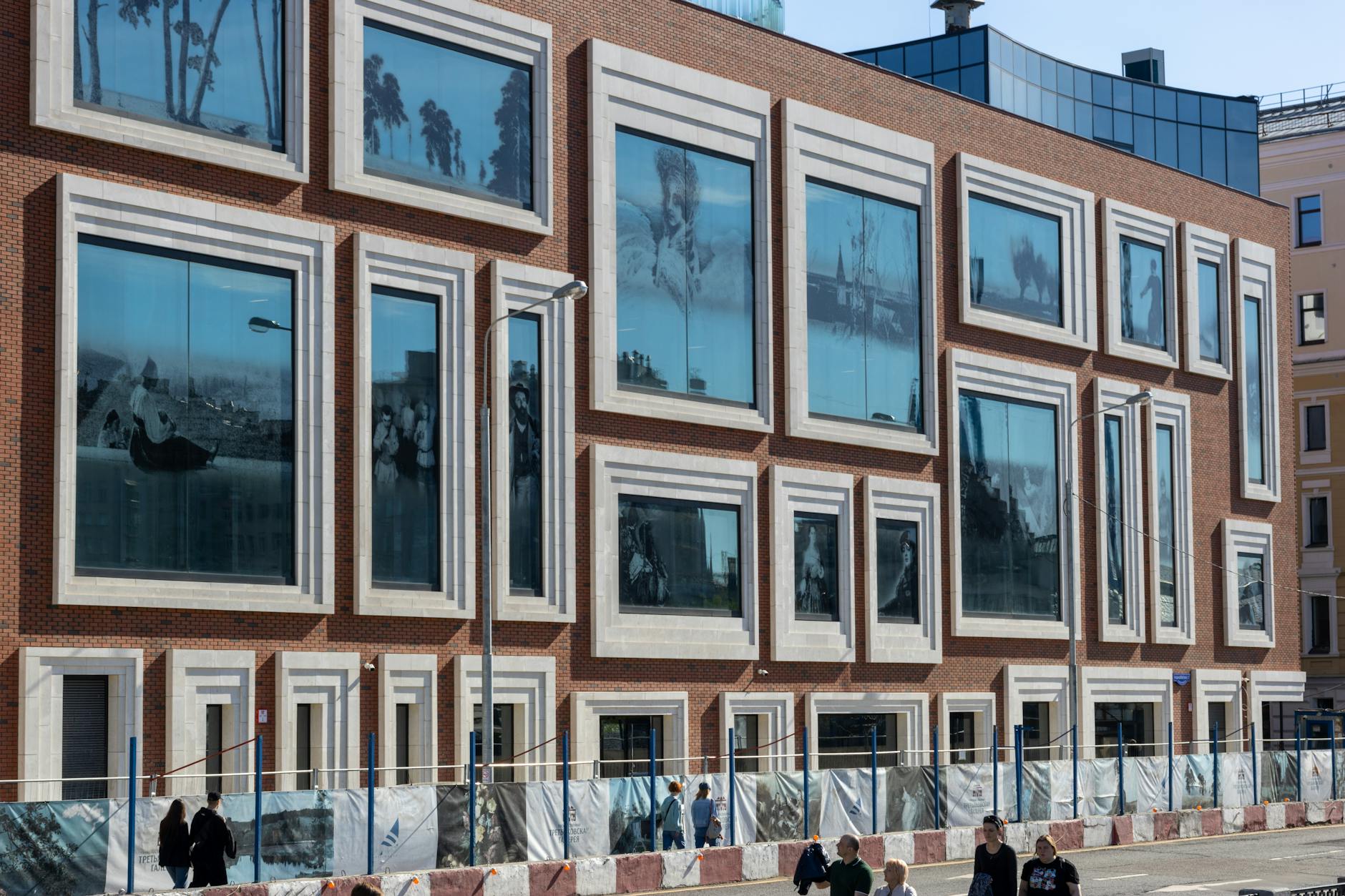
The Tretyakov Gallery stands as a monumental bastion of Russian art, offering visitors an immersive experience that transcends the ordinary. This museum, with its rich collection, showcases works from various periods, including the sacred themes of the 11th century through to the vivid realism of the Soviet era. The gallery serves as a unique host for artworks that exhibit both contrasts and balances in style and narrative.
Among the most celebrated exhibits are pieces by renowned artists such as Marc Chagall and Boris Kustodiev, whose works are notable for their beautiful motifs and emotional depth. The curators of the gallery, including Mikhail Krimsky, have dedicated themselves to the meticulous presentation of these pieces. They engage in detailed analysis, ensuring that every artwork is positioned to tell a story that resonates beyond its physical frame.
| Artist |
Famous Work |
Period |
| Marc Chagall |
The Birthday |
Modernism |
| Boris Kustodiev |
Merchant's Wife |
Realism |
| Dionysius |
The Virgin of the Sign |
Medieval |
Whenever one enters the hallowed halls of the Tretyakov Gallery, it feels as though stepping into a workshop of cultural heritage. The emotions conveyed through the visual forms are powerful, and the narratives depicted by artists represent the spirit of the Russian people throughout different periods of history. From the sacred church paintings to the stirring depictions of village life, the gallery embodies the essence of Russian creativity.
Noting the evolution of Russian art, curators have drawn attention to certain themes that emerged from the totalitarian period, helping to frame the dialogue around how these issues have affected artistic expression. The work of artists such as Alexander Mashkov demonstrates a unique perspective on the complexities faced by society, creating a discourse that is relevant both online and off.
For art lovers eager to experience this vast collection, tickets can be purchased in advance online or at the metro station nearby. It is a rare opportunity to witness the fusion of history, artistry, and emotion encapsulated within the walls of the Tretyakov Gallery, making it an essential destination for anyone interested in Russian art like they've never seen before.
What to Expect from the Rare Exhibition
The Vatican Museums are mounting a unique exhibition that will showcase rare versions of Russian art, offering a dynamic connection between well-known artists and their lesser-known counterparts. Visitors will encounter halls filled with works by pioneers such as Ilya Repin and Filonov, alongside the vibrant landscapes of Kuindzhi and the emotional portraits of Perov. This exhibition is designed to highlight the contrasts between various artistic movements, including the avant-garde and totalitarian influences that shaped Russian culture.
Expect to see a carefully curated series of pieces that reflect innovative ideas, with the works of Kandinskys and Dionysius providing insight into the diverse creative strategies of Russian artists. Each piece has been selected to help guests understand the intricate relationship between these artists and the cultural issues of their time. Notably, the exhibition will also include works by Olga Svetlyakov, shedding light on the contributions of female artists who have often been overlooked in history.
This experience will not just be about viewing art; each stroke and colour choice tells a story of risk and resilience. The exhibition aims to provoke thought and encourage visitors to reflect on the relationship between art and society. Guests will have the opportunity to engage with a guide who will provide deeper insight into the mounting process behind these impressive works.
In addition to art, there will be a restaurant on the premises where visitors can relax and discuss their thoughts on the exhibition. The combination of art and culinary offerings is designed to make visitors feel totally immersed in this cultural exploration. This exhibition is a must-see for any collector or enthusiast who wants to delve into the heart of Russian artistic tradition.
Key Pieces of Russian Art on Display
The Vatican Museums have curated a remarkable selection of Russian art, showcasing key pieces that highlight the rich artistic lineage of the country. Amongst the most important works is a painting by Ilya Repin, known for its vivid portrayal of life in the early 20th century, which contrasts the somber tones of the Soviet era with the bright vitality of the Russian soul.
Another significant piece is a work by Kuznetsov, which exemplifies the unique approach of using traditional Russian palettes. This painting tells a story through the vibrant colors and forms, shining a light on the experiences of workers, both before and during the USSR's transformative years.
Additionally, the exhibition includes portraits by Mashkov and Krimsky, which prioritize the intricate details and personal depth of their subjects. These artists, through their workshop methods, have created visuals that resonate with viewers, allowing them to engage with the historical context of Russia.
Notably, the work of Kuindzhi stands out, as it embraces different forms of light and shadow, revealing the profound beauty of the Russian landscape. His technique has built a bridge between traditional and modern interpretations, something that resonates throughout the exhibition.
One cannot overlook the pieces from the Streltsy era, which provide a glimpse into a time when the artistic vocabulary began evolving. The inclusion of earlier works by Dionysius showcases another important aspect of Russian art, shedding light on its historical roots and development.
This selection, courtesy of various collections, not only includes celebrated artists but also introduces lesser-known painters who have contributed to the rich tapestry of Russian art. Each picture placed on the wall has its own story, evoking emotions and inviting each viewer to delve deeper into Russia's artistic journey.
As visitors walk through the exhibition, they are reminded of the significance of these works, which collectively reflect the diverse experiences and lifescapes of Russia, engaging every corner of the nation's cultural narrative.
Historical Context of Selected Works
The exhibition of Russian art at the Vatican Museums reveals a unique trajectory of creativity and cultural exchange that has influenced both Russian and global art narratives. Among the selected masterpieces are works from renowned artists such as Petrov-Vodkin and Mashkov, who embraced modernism, reflecting the complex themes of their time. These artists created visual interpretations of the rapidly changing society in Russia, bridging the traditional with the contemporary.
Petrov-Vodkin's canvases often highlight the spirituality and depth of Russian life, showcasing a woman's role within the broader cultural landscape. His creative brushwork combined with a profound understanding of color and form serves to maintain a connection to the spiritual essence of the subjects, allowing viewers to engage with the emotional undercurrents of his work. In parallel, the contributions of Marc and Klutsis further explore the modernist vocabulary, expanding the route towards new art forms.
The curators of this exhibition have meticulously gathered pieces that reflect the historical context of these artists, noting how they responded to the social upheavals and revolutionary ideas present in early 20th-century Russia. Each artwork offers insights into the mentality of the time, revealing how artists like Boris and others navigated their artistic paths, even when facing challenges such as censorship or societal expectations.
As students of Russian art observe this exhibition, they can trace the lineage of innovation from these pioneers, whose works continue to inspire contemporary artists worldwide. This unique cultural experience not only showcases rare pieces but also invites a deeper understanding of how Russian art has evolved, maintaining relevance in today's artistic discourse.
The buildings that house these works provide an additional layer of meaning, as visitors walk through the halls filled with history, reflecting on the impact of art on society. Whenever the themes from this period are explored in depth, they reveal how the interplay of personal and collective narratives shapes the continuum of artistic expression.
Thus, this exhibition does more than display art; it offers a comprehensive study that combines visual aesthetics with a rich historical narrative, encouraging each visitor to engage with the deep-rooted traditions and modern interpretations that characterize Russian art.
Visiting Information: Dates and Tickets
The exhibition of Russian art at the Vatican Museums offers a unique opportunity for visitors to explore an important series of masterpieces. This exhibition showcases works from prominent avant-garde painters, including renowned figures like Vereshchagin and Petrov-Vodkin. From icons to portraits, the displayed art reflects crucial backgrounds and motifs that delve into the spiritual and social changes experienced during the times of the USSR.
Visitors who want to experience this remarkable event should note that the exhibition runs from March 1 to June 30. Tickets can be purchased online to avoid long queues. Early morning time slots, particularly during weekdays, are recommended for those wishing to navigate the exhibitions more comfortably.
The Vatican Museums are accessible via the metro, and facilities such as shops are available for those looking to purchase art-related items. Handling tickets online can greatly enhance your visit strategy, allowing you to focus on the analytical aspects of the displayed works while walking through the various galleries.
Attendees can expect a carefully curated experience that highlights the balance of art and science, offering insights into the evolving narratives of Russian art movements. It is a vital chance to engage with the profound cultural heritage that continues to inspire both local and international institutions.
For those interested in exploring this visual feast, the exhibition truly promises to reveal the significance of these works and their connections to each visitor's own background. Make sure to plan your visit accordingly to fully immerse yourself in this cultural journey.
Visitor Guidelines for an Enhanced Experience
To fully enjoy the Vatican Museums and their rare exhibition of Russian art, visitors are encouraged to take note of the following guidelines. The selection within these walls showcases important cultural motifs from the 16th to the 20th centuries, featuring works by renowned artists like Popova and Marc, who manifest contrasting styles and themes.
As you walk through the museum, please take a moment to study the graphic sketches and panels that capture the essence of Russian history, particularly during periods of great upheaval. Whenever possible, look closely at the modern interpretations that have been incorporated into this exhibition, which features a beautiful balance of restrained forms and lively greens that contribute to the overall atmosphere.
Curators have carefully gathered a selection of versions that not only pay homage to the past but also connect visitors to contemporary art practices. This is an important part of the museum's effort to encourage cultural exchange between different institutions and to provide insights into the complex relationship between the church and the artistic community in Russia.
The experience at the Vatican Museums is designed to engage all senses. Take the time to appreciate the various tastes and techniques that artists have used throughout the centuries. Be sure to visit each section of the exhibition, as it has been organized to allow for a comprehensive overview of artistic evolution over the ages.
For convenience, we suggest planning your visit around peak times and utilizing the 5-minute service option available on-site, which allows for easy access to information and assistance. Pay attention to any news or updates from museum staff and curators, as they often share insightful information about the exhibition and its importance.
In conclusion, your visit to the Vatican Museums will surely be enriched by these guidelines. Embrace the opportunity to engage with the artworks and the stories behind them, allowing for a profound connection to the cultural heritage of Russia and beyond.
Connecting with the Artists: Biographies and Influences
The exhibition at the Vatican Museums provides a unique opportunity to explore the lives and influences of Russian artists who shaped the cultural landscape of their time. Each piece on display reveals not only artistic mastery but also the essential connections the artists had with their environments and the broader socio-political context.
Among the featured artists, Ilya Repin stands out with his skillful compositions that balance realism with emotional depth. His works often depict scenes that highlight the struggles of the Russian people, drawing attention to farmers and the everyday challenges they faced. Noting Repin's influences, one can identify elements of Western art that helped him craft his distinctive style while integrating authentic Russian themes.
In contrast, the work of Kazimir Malevich represents a significant shift towards modernism. His abstract pieces, particularly those from the Constructivist movement, challenge viewers to reconsider the very essence of art. This strategic approach to composition places him among the icons of 20th-century art, allowing for a dialogue on the role of art in times of turbulence.
Another pivotal figure is Petrov-Vodkin, whose unique palette and handling of color illuminate the depths of Russian spirituality. His depictions of the boyarina and other subjects reveal a profound connection to national identity and symbolism, making his work an essential aspect of this exhibition.
- Ilya Repin: Realism, emotional compositions, focus on the Russian populace.
- Kazimir Malevich: Modernism, abstraction, influence of Constructivism.
- Petr Petrov-Vodkin: Symbolism, spiritual representation, distinctive use of color.
This rare exhibition not only showcases the artistic genius of these figures but also emphasizes the changes that occurred within Russian art from the 16th century to the modern era. It serves as a case study for understanding how personal and political narratives shaped artistic expressions.
As visitors walk through the walls of the Vatican Museums, they will find that each artist's biography and influences are integral to understanding the broader context of Russian art. The presentation of these works, along with interpretive strategies, allows for deeper engagement with the art and the stories behind each piece.
In conclusion, connecting with these artists through their biographies and influences enriches the experience of the exhibition. The opportunity to explore their works offers insights into the cultural and historical frameworks that continue to impact contemporary art practices. As a result, this exhibition stands out as an essential destination for art enthusiasts and casual visitors alike.