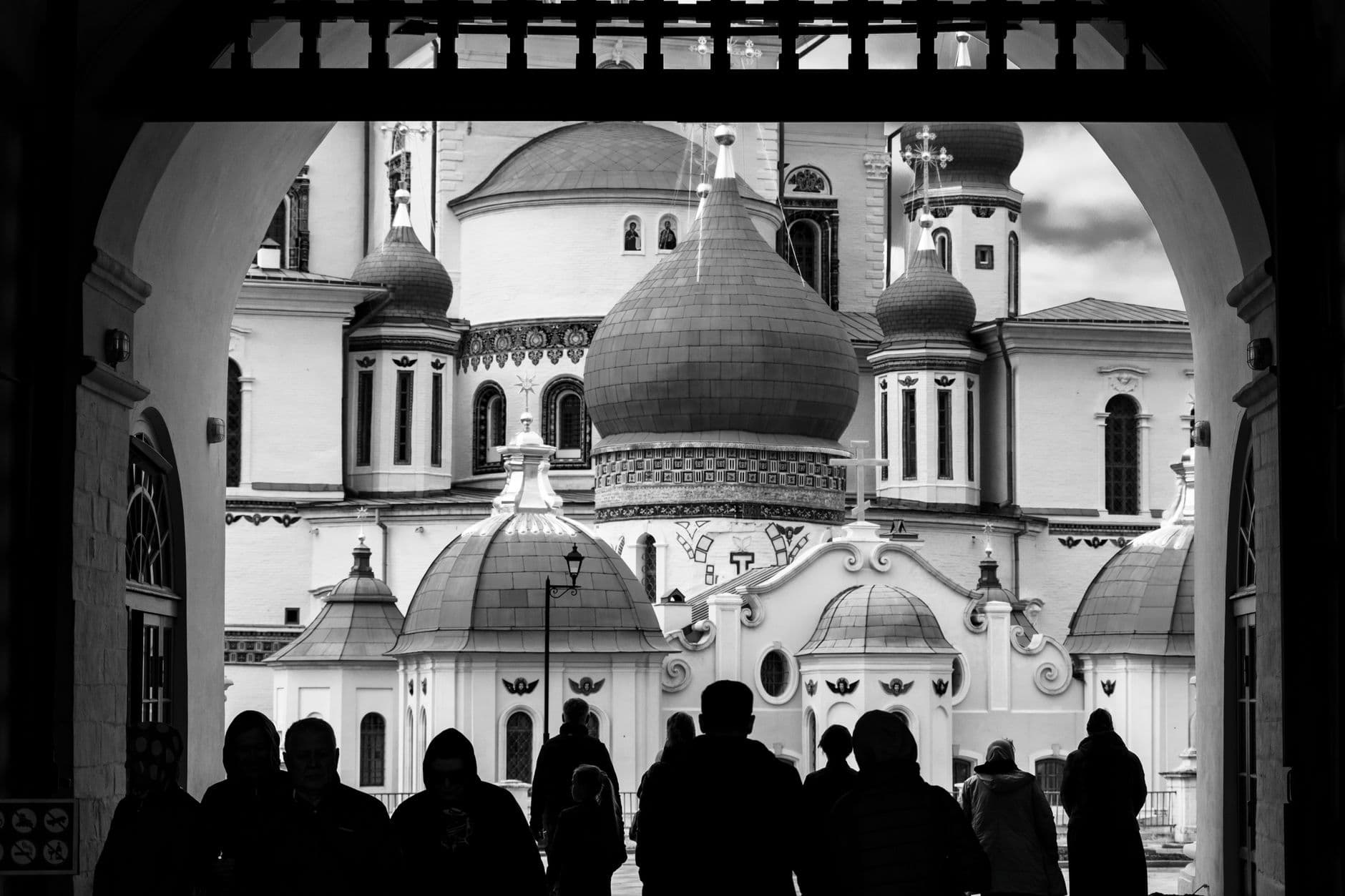
Begin with warm bulbs on facades facing the street; this sets an emotional tone and began by highlighting an accent rather than blasting luminance. As energy-saving options spread, designers gained precision in control, shaping how light reveals brick textures and stone details. Like a quiet beacon, the glow accentuates entrances and lines, creating a sense of place that invites pedestrians without glare. Place external luminaires below eye level to minimize spill and keep attention on the architectural rhythm, especially on the south elevation. The glow being gentle helps pedestrians feel welcome.
In practice, combining lighting for facades with garden considerations creates texture without overwhelming the street. The common scheme spreads light across cornices and columns, with controlled spill that doesn't invade interiors. Like a quiet partner, warm bulbs complement cool accents, yielding a dynamic palette that stays legible from below and above. When night comes, the facade reveals its rhythm and the scene breathes with the glow.
Consider layering illumination: a base wash, accent beams on cornices, and the glow of garden edges. This common approach helps the viewer feel the sense of architecture without overpowering the street. By combining warm bulbs with subtle color accents, you create depth that reads clearly from below and from afar; the effect deepens as night settles.
Plan from a practical map: mark each facade, entrance, and garden edge. dont overload with color; keep to a consistent temperature. For the south side, avoid blasting with pure white light; instead, use warmer tones and controllable zones so the glow can be dimmed as activity shifts. Keep light under eave lines and shield fixtures to prevent glare on windows, preserving the sense of space and safety along steps and terraces.
Nighttime Facade Enhancement: Practical Lighting Techniques
Start with a layered plan: uplight reliefs to sculpt depth, graze concrete planes to reveal texture, and apply selective highlights on anchors. Keep total output modest and set color temperature around 2700-3000K for an incandescent warmth that reads well at distance. Shield fixtures to prevent spillover, and run a dimmable circuit so brightness can be tuned as crowds arrive.
Areas under overhangs benefit from low-angle, shielded downlighting to avoid window glare while guiding pedestrians. Place narrow-beam fixtures at 15°-25° along vertical joints every 2-3 meters to preserve rhythm. Use cooler accents sparingly to avoid shifting the façade's perceived mass; opt for warmth where you want approachability and safety.
Inspiration comes from Ronchamp: sculptural light should emphasize mass and form rather than wash the surface. Avoid flat illumination; emphasize creases, cornices, and recesses with controlled, directional beams. Similar approaches work on concrete facades by revealing their texture through careful contrast and highlighting the building's silhouette against the sky.
The kersalé approach can help deliver sparkle on rough textures: place small, low-contrast beacons along edges to create a lively edge without overdoing it. Combine uplighting with targeted highlights on sculptural elements; use flash-level taps only on features you want emphasized, never on entire elevations. Youll notice depth increases where texture and shadow play off each other.
From a science standpoint, lighting design involves balancing efficiency with perception: measured steps in lux, color rendition, and flicker control influence well-being and perceived safety. Favor LEDs with CRI above 80, maintain 2700-3000K for human-friendly warmth, and employ dimming to avoid harsh brightness late at night. This change in approach reduces energy use while preserving the site's appeal and readability during late hours.
Execution matters most: map every area, draft a three-layer plan (base wash, sculpting uplight, and feature highlights), test under conditions that mimic actual viewing distances, and adjust beam angles accordingly. Opt for modular fixtures for future re-aiming as the surroundings change, and document maintenance routines to keep the sparkle on those surfaces-especially near textured concrete-consistent over time.
Align Beam Angles with Facade Details to Highlight Texture
Place fixtures so the primary beam grazes the facade's texture at a shallow angle (10°-15° relative to the surface) to reveal depth and grain. This keeps daylight cohesion and makes concrete, brick, and stone look more dimensional as daylight fades.
Here is a concrete method with specifics that you can apply on a typical elevation.
- Angle strategy by material
- Concrete: longer, narrow beams placed on the side of relief lines; grazing angle 8°-12° to describe formwork texture.
- Brick: 12°-20° to lift mortar lines and keep faces readable.
- Stone: 6°-14° to catch natural grain and edge details.
- Fixture placement and distance
- Mount fixtures just outside recessed areas, spacing 1.5-3.0 m along each bay; keep the beam centered on texture features for coherence.
- Height: place 0.5-1.5 m above grade for low facades and up to 2.5-3.5 m for taller ones; tilt to maintain grazing across the texture band.
- Electrical and control
- Use weatherproof, electrical dimmable LED fixtures with narrow to medium beam angles; 10°-25° grazing is typical; CRI > 80 for faithful color; provide soft-start.
- Single-zone control for synchronized side and uplight effects.
- Uplighting and side lighting synergy
- Combine uplighting to illuminate vertical surfaces with side grazing to describe texture; together they provide depth without washing detail.
- Testing and practical example
- Begin with a staged test plan: install around 12 fixtures along the chapel façade, using 2700K-3000K; record results and adjust in 5° increments. This example mirrors a setup described in a daylight magazine feature; began with concrete elements and refined after dusk, yielding effective, focused, illuminating results that enhance texture.
- Within daylight, the appearance reads clearly; the dream of a rich surface becomes very legible when viewed from mid-level angles.
- The dame niche on the entrance was illuminated to emphasize its relief.
- Use a lighter 3000K option in select bays to create contrast.
- Materials and textures to watch
- Concrete with formwork marks responds to grazing; brick mortar lines gain crisp edges; natural stone shows fissures more clearly with grazing beams placed on the side of the relief.
- Case example
- Dame Chapel, a project described in a daylight magazine, began with placed fixtures along the side to illuminate recesses; the longer throw provided depth, and the result was very effective for day-to-night transitions.
Use Grazing, Wall-Washing, and Silhouette Techniques for Depth
Position fixtures strategically along the base of the wall, 0.6-1.2 m from the surface, and tilt 5-15° upward to carve texture. Use 3000-3500K, CRI > 90, and avoid glare on glazing. In a european streetscape, this approach becomes popular for casa facades at night, with energy along the wall enhancing texture and providing a particular appeal to those youre targeting as part of the neighborhood identity.
Wall-washing specifics: Position fixtures 1.5-4 m from the wall with beam spreads of 60-90 degrees to achieve even illumination across large, flat surfaces; space fixtures 3-6 m apart for long facades. Opt for opal diffusers and adjust intensity to preserve gray tones of stone or plaster. Target wall luminance around 10-40 cd/m² and address different aspects of reflectance; keep color temperature in 2700-3200K to maintain natural warmth and release a sense of life after hours.
Silhouette technique for depth: Backlight selected elements such as ironwork, screens, or planters from 2-4 m away with a narrow beam of 6-12°. Keep the intensity low to avoid bloom while creating crisp side outlines and meaningful negative space. This instance of layering makes the structure feel three-dimensional, likewise aligning with aspects of texture that read across the night and along walkways on those areas.
Volharding and multi-layer calibration: A volharding approach blends grazing, wall-wash, and silhouettes to transform flat elevations into depth-rich surfaces. Begin with grazing on the lower band, add wall-wash to even the broader planes, then place silhouettes on side elements to define shapes. This method ensures coherence with nature along the façade and inside adjacent spaces; it also supports advertising readability for those planning outdoor displays and areas to visit after dusk, while providing a consistent glow for nearby casa and neighborhood parts.
Practical tip: When setting up, test at least three scenes: early evening, peak activity, and late night. By adjusting only the angle and intensity, you'll see how opal diffusers and gray materials read differently and how the european casa gains popular appeal. Likewise, the process of transforming dull façades into dynamic parts of the urban fabric becomes a model for advertising areas, ensuring energy efficiency that provides a natural inside glow for those youre monitoring.
Calibrate Color Temperature and CRI for Night Atmosphere
Set the primary ambient color temperature to 2700K and maintain CRI 90+ for most night-time spaces; for exterior accents, use up to 3000K to preserve warm whites on plaster and white homes, ensuring skin tones read accurately while texture details on facade read as intended.
Applied layering matters: use a three-layer scheme (ambient, task, and accent) and keep each layer within 2700-3000K. When dimming, accept color shifts no greater than 50K; to prevent mismatches, target identical color temperature across fixtures on a single board or control console, ensuring a larger, cohesive composition together for electric buildings at night until final approval.
CRI targets by space: bathrooms require CRI 95+ for accurate whites and cosmetics; rooms and living areas 90+ for pleasing color fidelity; kitchens and work zones 85-90; exterior works can function with CRI 80+ if color rendering is not critical, but choose lamps rated 90+ when signs and materials must read correctly at deep night angles. This lead helps preserve the qualities of whites and textures, about color fidelity.
Practical considerations: for larger buildings, apply a standard across all floors and use a centralized control board to lock color temperature within a defined range; verify with a colorimeter at multiple rooms until readings match within ±50K; in finland contexts, keep 2700K to protect plaster textures; in angeles projects, emphasize white surfaces and deep shadows to celebrate forms, while keeping energy use in check through technology and smart dimming.
In addition, maintain consistency across rooms to avoid jarring shifts, and select high-CRI lamps with balanced spectra; bias toward 2700-3000K in interior spaces and 2000-2500K for certain exterior accents where a deep, quiet night glow is desired, ensuring the approach remains pleasing and coherent when viewed from larger distances and from daylight alongside the public.
Minimize Glare and Light Trespass with Shielding and Zoning
Recommendation: position full-cutoff fixtures onto the building edge with integrated shielding; ensure placement directs light strictly onto ground surfaces and onto targeted features while preventing spill onto windows.
Shielding toolkit: panels, louvers, and baffles built from durable, UV-resistant materials reduce stray rays. Use white finishes inside the housings to minimize glare perception and maintain a cohesive appearance across facades; avoid reflective or glossy surfaces that amplify spill.
Zoning strategy: map the area into distinct zones-garden proximity, rest seating, kitchen window vicinity, statue accents, and entry area. Assign longer throw distances to garden and statue zones, while keeping rest and kitchen-adjacent zones at lower levels to preserve interior comfort and color accuracy. Use dimmable LEDs to maintain contrast between zones without abrupt changes.
Window and facade considerations: orient fixtures away from sightlines that pass into interiors; clamp shields so no light climbs onto upper story windows. Prefer mounting at higher wall levels with downward angles to keep the beam on paving and planting beds rather than onto glazing.
Control and timing: implement occupancy sensors and astronomical timers to reduce output after the beginning of the period; until late hours, target 20-30% of full capacity and drop to 5-10% in the final phase. This keeps the space welcoming without causing discomfort for nearby residents or statue inspections.
Materials and aesthetics: choose lighter, durable housing in muted tones; hidden hardware minimizes visual intrusion while maintaining a long-lasting, low-maintenance system. Panels and shields should be designed to blend with window frames and garden borders, creating a cohesive look that feels intentional rather than accidental.
Europe context: Berlin and other european cities enforce strict shielding in historic districts; apply longer-throw designs and shielded luminaires to meet urban standards while preserving night aesthetics. Sustainability goals are supported by artificial lighting that reduces energy waste and supports thoughtful placement across longer outdoor periods.
Implement Smart Controls: Dimming, Scheduling, and Scene Management
Install a centralized smart-control hub to manage dimming, scheduling, and scene cues, ensuring consistent illumination across walls and rooms.
Adopt a permanent installation with standard protocols (Zigbee, DMX, KNX) to guarantee reliable communication between controllers and luminaires. Applications span galleries, lobbies, and public corridors; unique scenes can be designed to be reproduced beyond a single space, yet tailored to each area. The process starts with a quick audit of daylight, wall finishes, and mirror surfaces, followed by sensor placement, wiring, and commissioning. In south-facing zones, compensate daylight with higher dimming ranges to preserve visible contrast. Illuminating choices influence perceived depth, so plan for smooth transitions and avoid abrupt shifts.
For your team, the system should be easy to operate: youll adjust brightness across zones, recall scenes, and schedule changes. Being able to place controllers where they're most accessible makes ongoing tweaks part of daily workflow, and the same controls can serve different rooms while maintaining a cohesive aesthetics. However, start with a compact set of scenes and scale up as needed, so the standard remains manageable and beyond reproach.
| Aspect | Approach | Rationale |
|---|
| Dimming strategy | 0-100% with smooth fades; use a logarithmic curve | Sustains aesthetics, prevents glare, reduces energy consumption |
| Scheduling | Occupancy-based plus astronomical clock; include sunrise/sunset | Energy efficiency; comfortable levels across hours |
| Scene management | 3-5 presets per zone: ambient, task, accent, presentation; group controls by area | Different views of same space; fast scene recall |
| Placement & integration | Controllers near entrances and on south walls; fixtures placed to cover surfaces | Even coverage; minimizes unwanted reflections from mirrors |
| Quality & energy | High-CRI LEDs (>90); drivers support continuous dimming | Essential qualities; optimal energy use goes hand in hand with accurate color |