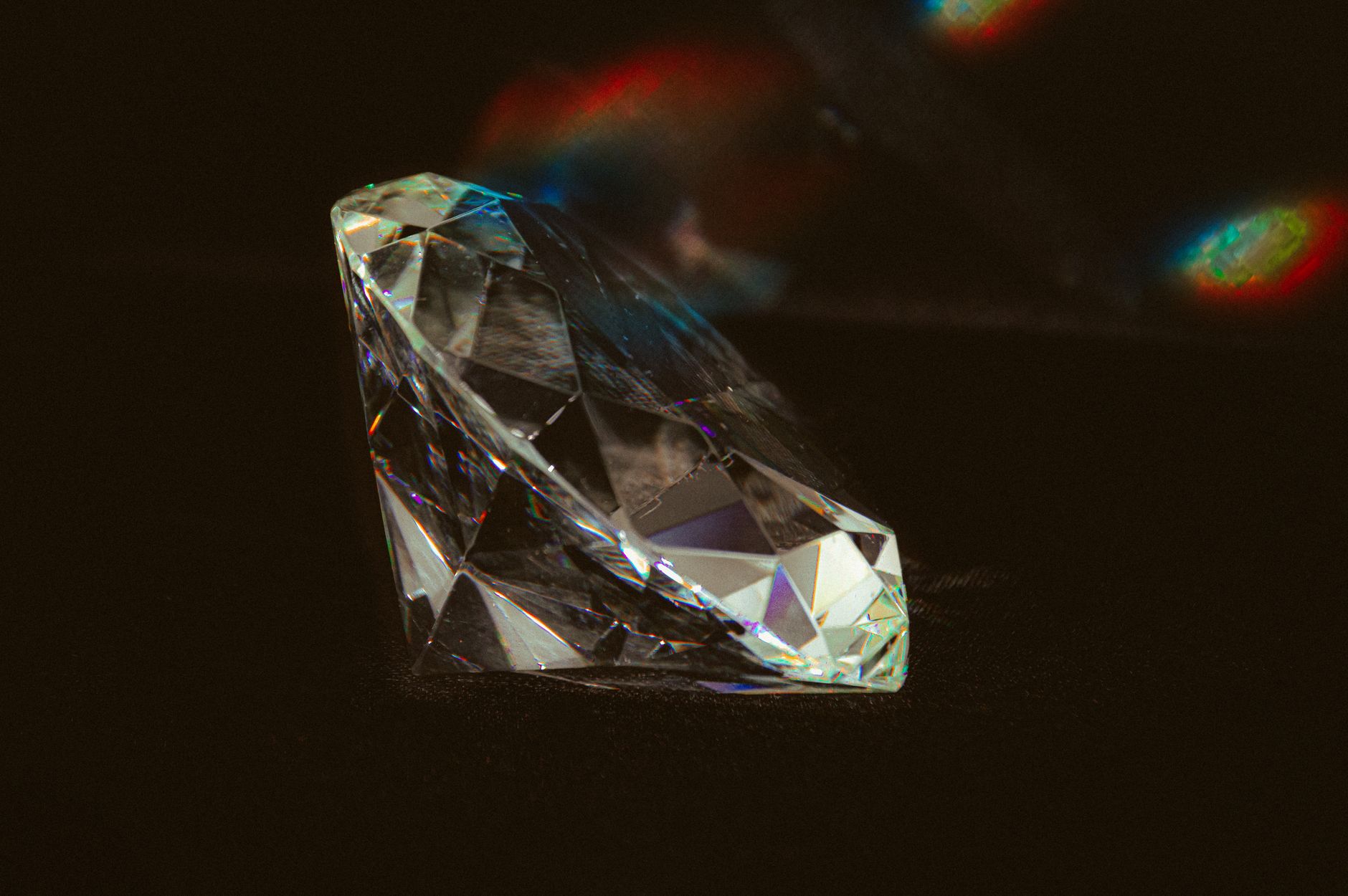
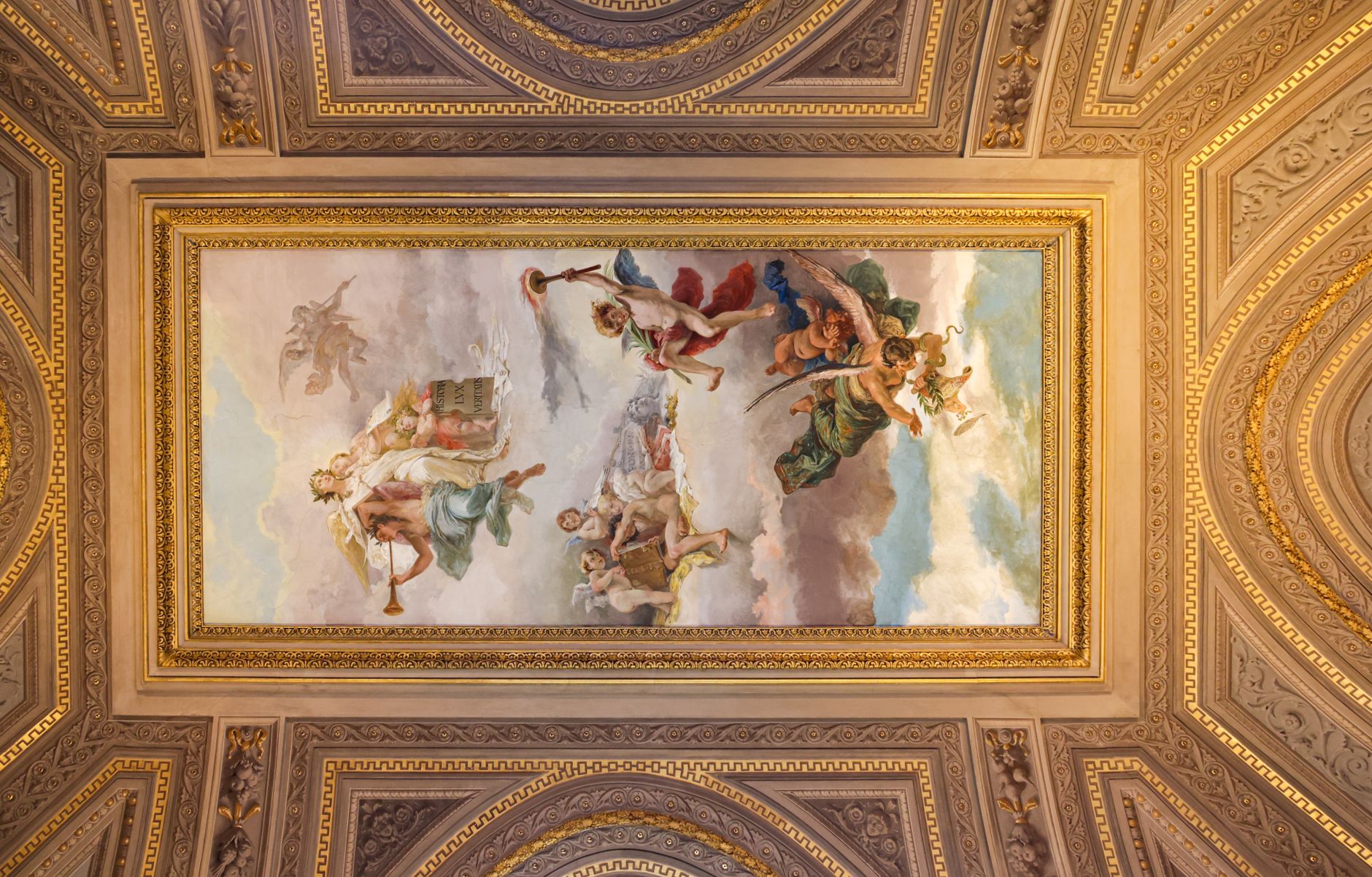
The heavy steel doors of the Kremlin's Armoury Chamber feel less like an entrance and more like a threshold into another century. You step through, leaving the bustling noise of Red Square behind, and are immediately enveloped by a cool, hushed silence that seems to vibrate with the weight of history. The air here is dry, carefully controlled, and smells faintly of old wood and polished metal. This is not just a museum; it is a vault where the soul of the Russian Empire rests, guarded by silent sentries and the gleam of thousands of diamonds.
The Origins of the Imperial Treasury
The collection you are about to witness did not appear overnight. It traces its lineage back to 1719, a pivotal year when Peter the Great established the Russian Crown Treasury. This was not merely an act of hoarding wealth; it was a strategic move to consolidate the power of the nascent empire. Peter the Great understood that visual splendor was a tool of statecraft. By accumulating gems of unparalleled quality, he signaled to European courts that Russia was no longer a peripheral kingdom but a major imperial power. The treasury grew steadily over the next two centuries, fueled by conquests, diplomatic gifts, and the vast mineral wealth of Siberia.
As the years passed, the collection evolved from a simple treasury into a curated exhibition of imperial opulence. Each tsar and empress added their own personal touches, reflecting their tastes and political alliances. Catherine the Great, for instance, was particularly fond of large, dramatic stones. Her reign saw the acquisition of some of the most famous gems in the world, including the massive Orlov Diamond. These stones were not just decorative; they were symbols of divine right and imperial authority. The treasury became a repository of national identity, a physical manifestation of the Romanov dynasty's reach and influence. Today, when you look at these pieces, you are looking at the material legacy of an empire that once spanned three continents.
The Crown Jewels and Imperial Regalia
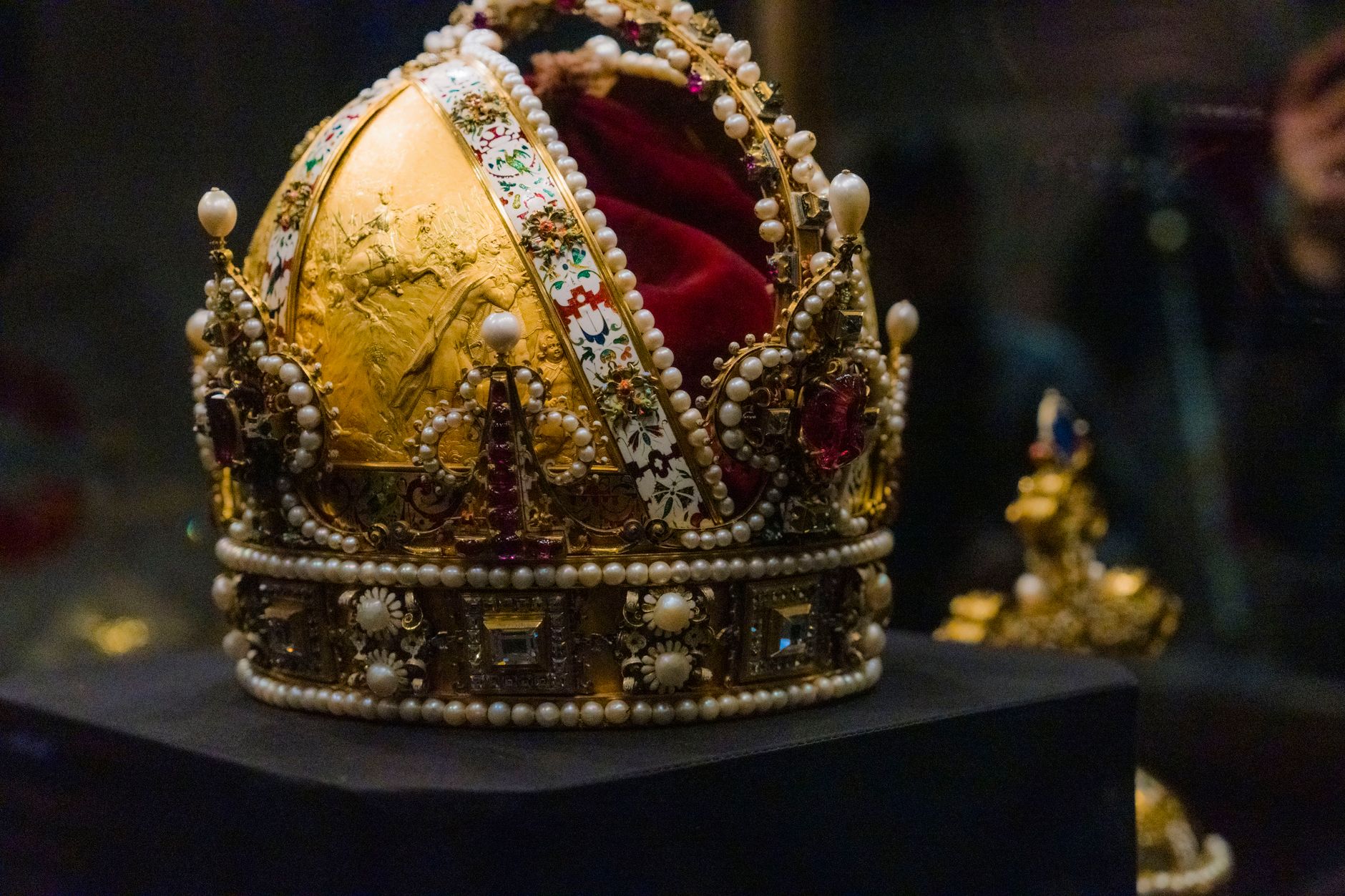
The centerpiece of the exhibition is undoubtedly the Great Imperial Crown. Resting on a velvet cushion, it appears almost alive, shimmering with an intensity that defies the dim lighting of the room. Made for Catherine the Great's coronation in 1762, it was used by every Russian monarch through to Nicholas II. The crown is set with roughly 4,936 diamonds over a gold-and-silver frame, and the craftsmanship is staggering — the metal base all but disappears beneath the sheer density of the stones. Crowning it is one of its most remarkable gems: a deep-red spinel of about 398 carats, one of the largest in the world, mounted above an arch of brilliant diamonds. The famous Orlov Diamond, often confused with it, is not in the crown — it sits in the Imperial Sceptre nearby.
Beyond the crown, the exhibition houses other significant regalia, including scepters, orbs, and ceremonial robes. The Imperial Sceptre is crowned by the famous Orlov Diamond — about 190 carats — a gift to Catherine the Great from Count Grigory Orlov. These items were not used in daily life but were reserved for the most solemn state occasions. They represent the intersection of religion and state, as many of the designs incorporate Orthodox Christian iconography. The intricate goldwork features eagles, crosses, and floral motifs, all meticulously handcrafted by the best artisans of the time. Seeing these items up close provides a tangible connection to the rituals that defined Russian imperial life for centuries. It is a reminder of how deeply embedded visual spectacle was in the governance of the empire.
Security Protocols and Visitor Etiquette
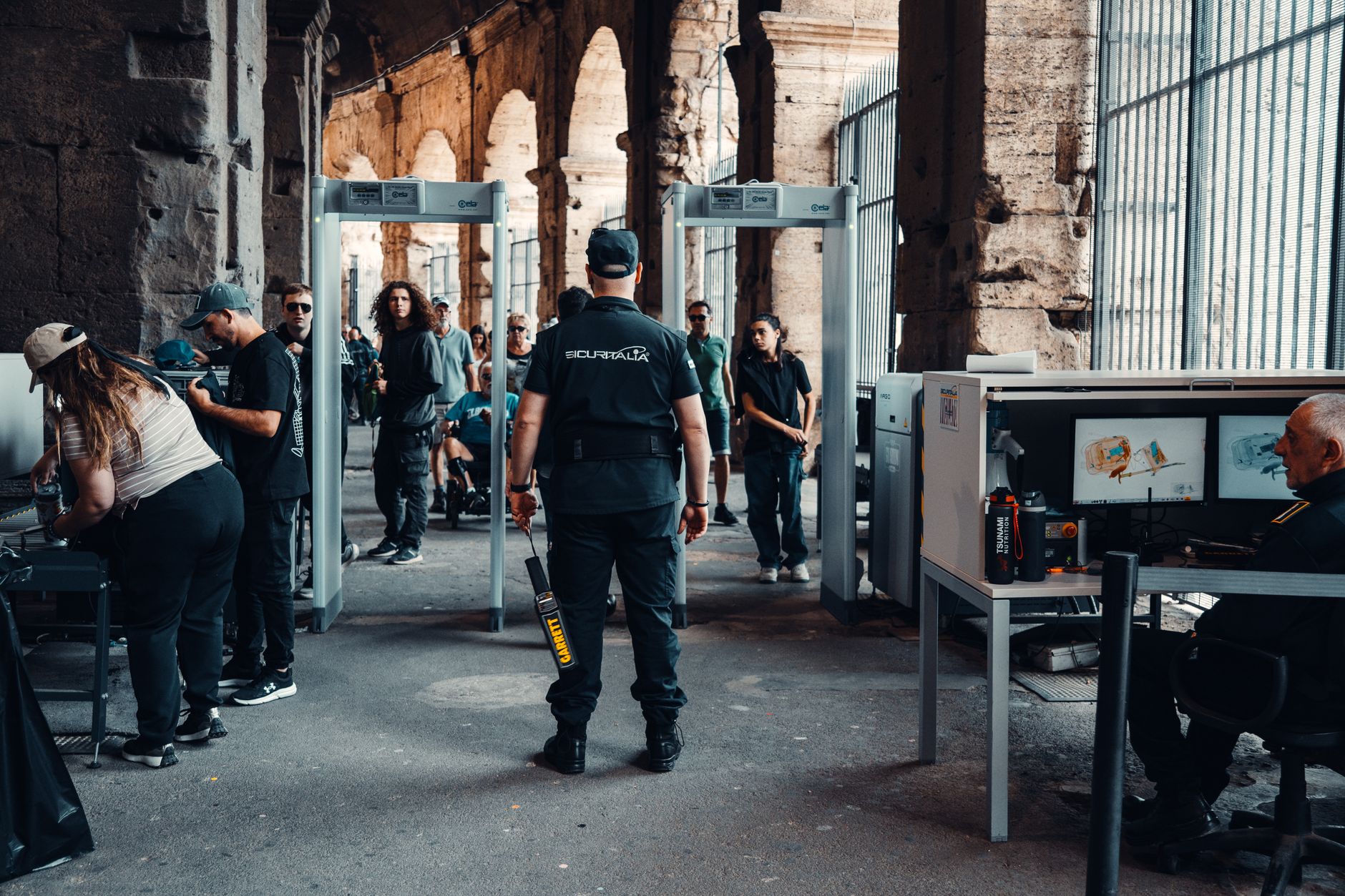
Visiting the Diamond Fund is unlike any other museum experience due to its stringent security measures. You are not allowed to bring cameras, smartphones, bags, or even large wallets into the exhibition hall. This is not just a suggestion; it is a strict enforcement of protocol designed to protect the priceless artifacts. Upon arrival, you must pass through metal detectors and surrender all prohibited items at the cloakroom. The process can be slow, especially during peak tourist seasons, but it is a necessary part of the experience. The security is so tight that even the flash from a phone camera is considered a potential threat to the delicate gemstones, which can be damaged by intense light exposure over time.
Once inside, you will notice that the viewing experience is controlled. Visitors are moved along a specific path, with limited time spent in front of each display case. This ensures that the crowd does not become too dense, which could pose a risk to the exhibits. The guards are vigilant, watching for any sudden movements or attempts to get too close to the glass. While this may feel restrictive, it adds to the sense of exclusivity and importance surrounding the collection. You are not just a tourist; you are a privileged observer of national treasures. The atmosphere is one of reverent silence, with visitors speaking in hushed tones. It is a reminder that these objects are not just art; they are history, and they require protection.