


Update, 7 September 2026. Maslenitsa 2026 is over. By the church calendar the next Maslenitsa week runs from 8 to 14 March 2027, with Forgiveness Sunday on 14 March; the city festival usually opens the weekend before, and the 2027 programme will appear on mos.ru in February. The guide below describes the 2026 edition — the venues and the format change little from year to year.
Maslenitsa Festival in Moscow 2026: Complete Guide
Moscow transforms into a city-wide celebration of winter's end each February, and 2026 brings the Maslenitsa festival across nearly 30 venues from February 13 through 22. The heart of the celebration follows the traditional week from Monday, February 16, through Forgiveness Sunday on February 22, when massive crowds gather to watch the burning of the Lady Maslenitsa straw effigy and bid farewell to winter.
This ancient Slavic festival predates Christianity, marking the transition from winter's darkness toward spring. Each day of the traditional week carries its own name and customs, from Monday's 'Meeting Day' through Friday's 'Mother-in-Law's Evening' (February 20 in 2026) to the final Sunday of forgiveness and reconciliation. The largest crowds and most elaborate programs concentrate on the final weekend, Saturday February 21 and Sunday February 22, when parks stage their main theatrical processions and folklore performances.
Understanding the Two Festival Timelines
Moscow's celebration operates on two overlapping schedules. The broader city-wide 'Moscow Maslenitsa' festival runs February 13-22, 2026, offering events across dozens of locations throughout the capital. Within this extended celebration sits the traditional Maslenitsa week, February 16-22, which follows the ancient seven-day structure leading to Forgiveness Sunday.
This dual structure means visitors arriving mid-week will still find activities, but those planning around the final weekend will experience the festival at its peak intensity. Saturday February 21 brings the largest theatrical processions and folk performances, while Sunday February 22 culminates in the ritual burning of the Maslenitsa effigy after sunset.
Where Should You Celebrate Maslenitsa in Moscow?
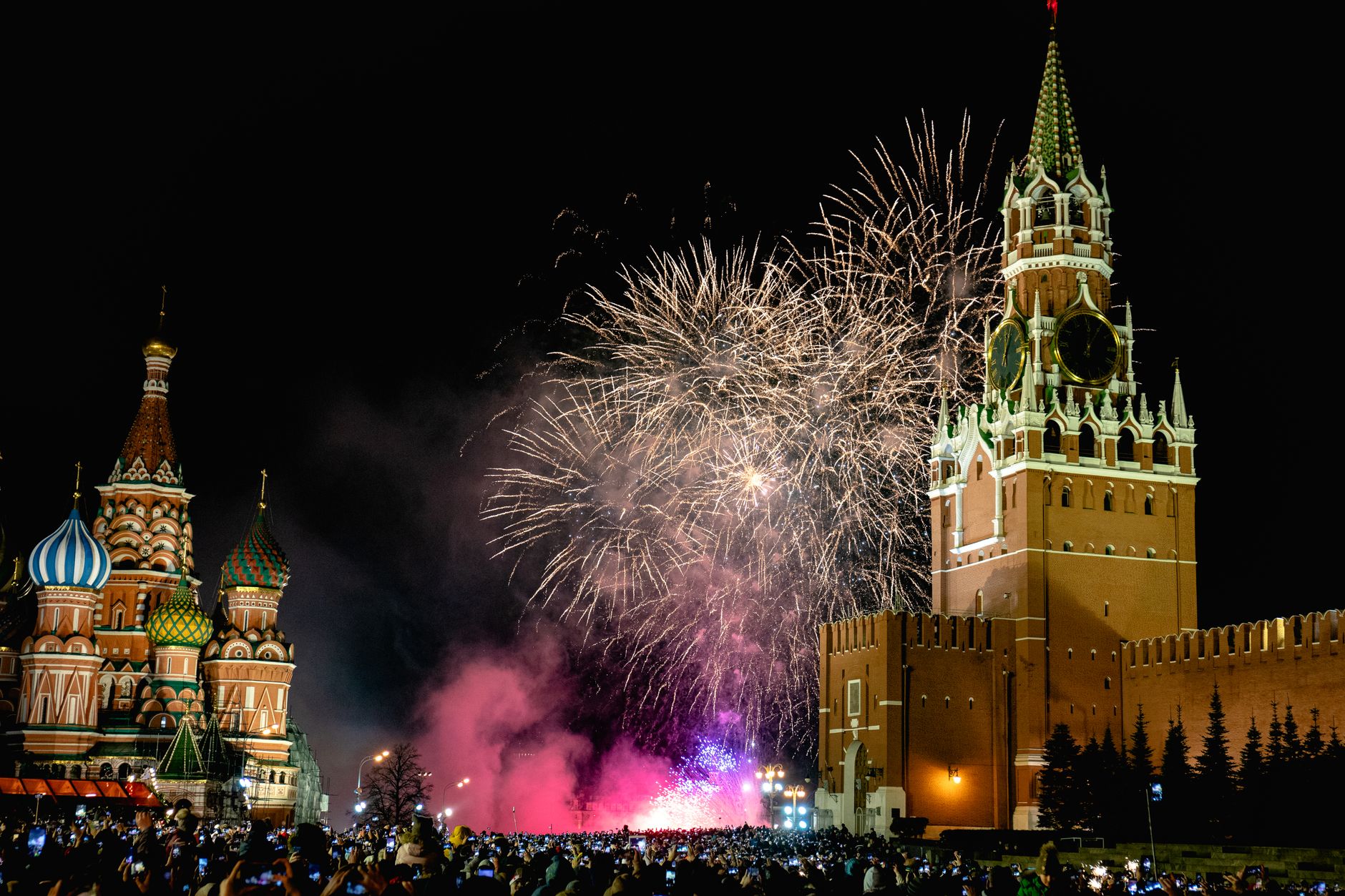
Tverskoy Boulevard serves as the main venue for the city-wide festival, hosting orchestra performances, theatrical shows, sports quests, and a market featuring local brands. The central boulevard location makes it accessible for visitors staying in the city center, though the crowds here can be dense during peak hours.
Gorky Park stages its main celebration on February 21 with folklore performances, a costumed procession, an interactive program, and a festive fair selling blini and hot drinks. The park's ice rink hosts sports activities and, per the organizers' announced 2026 program, an ice show by Olympic champion Irina Slutskaya. The combination of traditional entertainment and modern winter sports creates an atmosphere that appeals to families and younger visitors.
Kolomenskoye Museum-Reserve offers the most historically immersive experience, with main festivities on February 21-22. On February 21, a theatrical procession and folk games begin near the wooden palace of Tsar Alexei Mikhailovich around midday (approximately 12:00). The following day brings theater performances and concerts throughout the grounds. The museum-reserve's architectural backdrop provides an authentic setting that commercial parks cannot match.
VDNKh celebrates Maslenitsa February 21-22 as part of its 'Winter of Gifts' program, featuring contests, interactive game stations, puppet shows, folk bands, and parades with a giant Maslenitsa figure. The venue's Soviet-era pavilions create a distinctive visual contrast with traditional folk celebrations.
According to the official Moscow city government program, ice shows by famous figure skaters are planned, including Evgeni Plushenko performing 'Swan Lake' and Tatyana Navka in 'The Twelve Months' and 'Snow White'. Visitors should check mos.ru for the final line-up, as performance schedules can shift.
What Traditional Foods Can You Try?
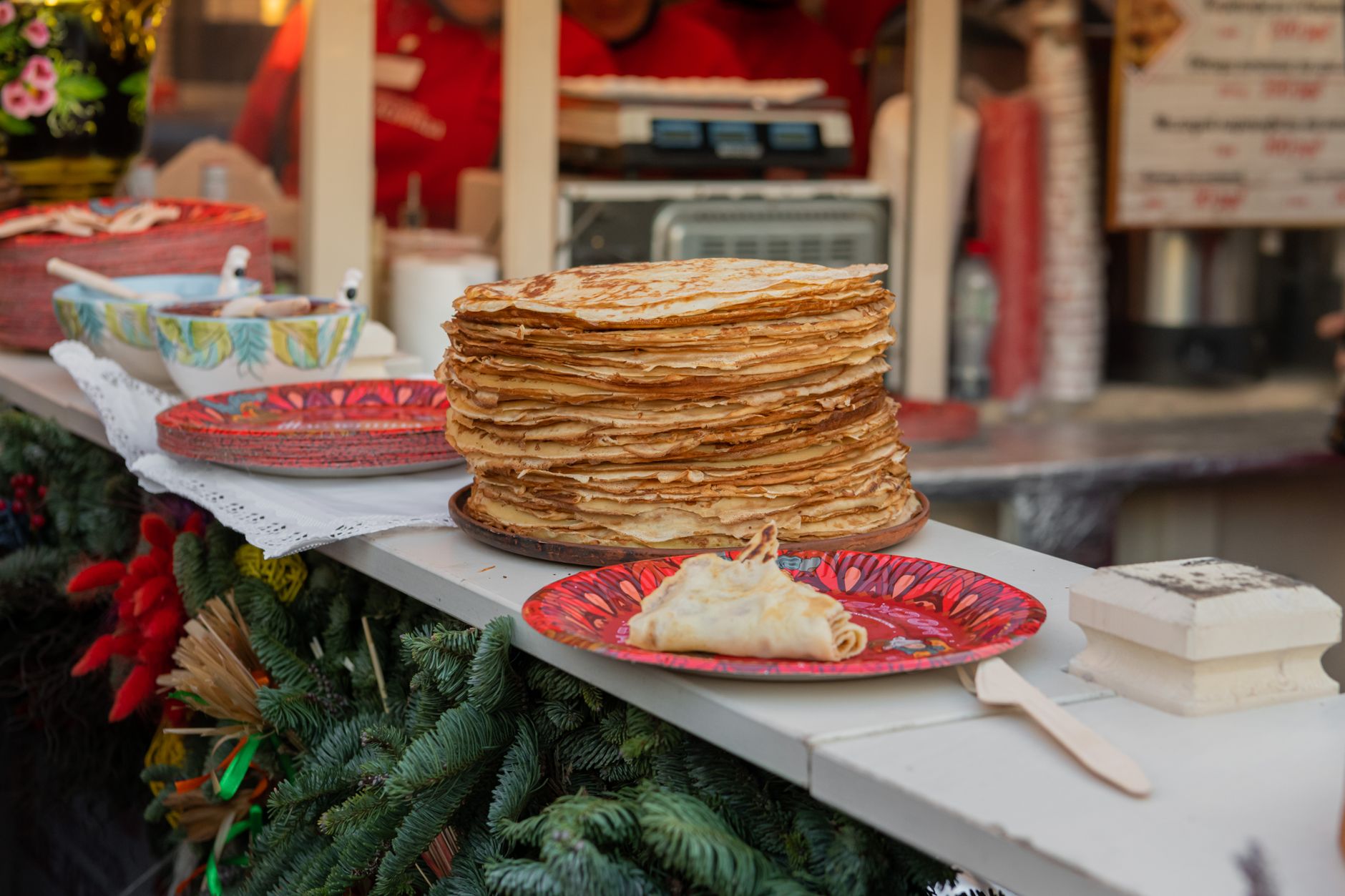
Blini—thin buckwheat or wheat pancakes—form the culinary centerpiece of Maslenitsa. The round, golden pancakes symbolize the sun, and eating them is believed to hasten spring's arrival. At the city festival, visitors can sample over 50 varieties, including creative versions made with pumpkin or beetroot alongside traditional recipes.
Toppings range from classic combinations like sour cream, honey, and caviar to modern interpretations featuring smoked salmon or ham with pickled cucumber. Street vendors sell blini starting from about 150 rubles, making them an affordable way to participate in the festival's food culture. The price point is low enough that trying multiple varieties remains practical even on a modest budget.
Beyond blini, festival stalls offer sbiten (a hot honey drink spiced with herbs), pirozhki (small stuffed buns), and pickled vegetables. The outdoor markets also sell handicrafts, wool clothing, and traditional wooden toys. Cash is recommended, as some small festival vendors may not accept cards, and foreign Visa and Mastercard generally do not work in Russia.


